Manufacturers to replace washers of older cars ‘at no extra cost’ if damaged by E20 fuel, says Gadkari: Report
Gadkari: Car Manufacturers to Replace Washers of Older Vehicles at No Extra Cost E20 Fuel and Washer Replacement Directive Manufacturers to replace washers of
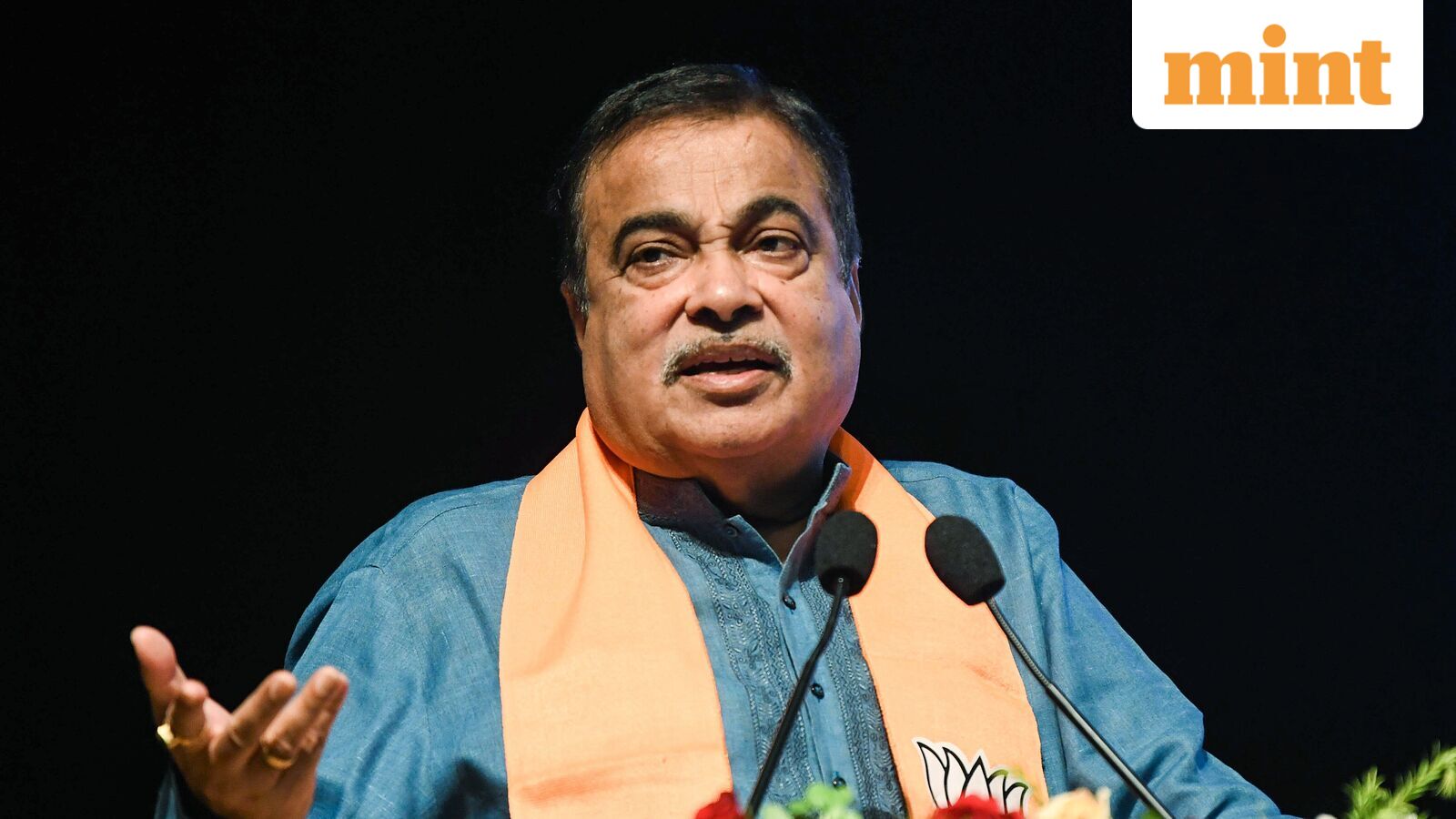
Gadkari: Car Manufacturers to Replace Washers of Older Vehicles at No Extra Cost
E20 Fuel and Washer Replacement Directive
Theindiapostdaily.com – India’s Union Road Transport and Highways Minister, Nitin Gadkari, has announced that manufacturers are mandated to replace washers in older vehicles at no additional cost if they are damaged by E20 fuel. This decision, shared in a recent report, aims to address potential issues caused by the ethanol-blended fuel, which is gradually being adopted across the country. The move is expected to reduce long-term maintenance costs for consumers while ensuring compatibility with the new fuel standard.
E20 fuel, a blend of 20% ethanol and 80% petrol, has been introduced as part of India’s initiative to reduce oil import dependence and promote sustainable energy. However, its impact on older vehicles has raised concerns. Gadkari’s directive focuses on the rubber washers commonly found in fuel systems of pre-E20 models, which may degrade faster when exposed to ethanol. The government’s intervention ensures that manufacturers take responsibility for replacing these components during routine servicing, eliminating the burden on individual owners.
According to the report, the replacement process is being standardized to avoid inconsistencies. This includes updating maintenance manuals and providing clear guidelines for dealerships. The initiative also highlights the need for a phased transition, allowing consumers time to adapt to the changes. By addressing washer issues proactively, the government hopes to prevent widespread complaints and ensure a smoother shift to E20, which is seen as a key step in achieving cleaner combustion and lower emissions.
Mileage Concerns and Flex-Fuel Adaptability
Gadkari acknowledged that E20 fuel can lead to a noticeable drop in fuel efficiency, particularly for vehicles not designed to handle ethanol blends. Ethanol, while a renewable resource, has a lower calorific value compared to traditional petrol, which affects the energy output per litre. This has raised questions about the impact on everyday driving experiences, especially in densely populated cities like Delhi and Mumbai where traffic congestion is a major factor.
“Ethanol’s lower energy content is a fact, but mileage also depends on city traffic. In places like Delhi or Mumbai, vehicles often stay in lower gears, which impacts efficiency. However, for cars designed with flex-fuel engines, there’s no noticeable difference in performance,” Gadkari stated.
Despite the efficiency challenges, the minister emphasized that flex-fuel technology offers a solution. He noted that nearly a dozen Indian automakers are actively developing models compatible with E20, which is expected to ease the transition. This approach not only mitigates performance concerns but also aligns with global trends, such as Brazil’s long-standing use of ethanol-blended fuels since 1970. The goal is to provide drivers with versatile options while maintaining cost-effectiveness and environmental benefits.
Consumer Impact and Industry Response
The directive has sparked mixed reactions from the automotive sector. While some manufacturers welcome the initiative as a proactive measure to support older fleets, others express concerns about increased production costs. The replacement of rubber washers, though seemingly minor, requires adjustments in supply chains and manufacturing processes. Nevertheless, the government’s focus on consumer protection has been a key driver in pushing this policy forward.
Consumers, particularly those with vehicles manufactured before E20’s widespread adoption, are likely to benefit from the reduced maintenance burden. The report highlights that the directive is part of a broader strategy to ensure that the transition to E20 does not lead to widespread dissatisfaction. This includes setting up a dedicated task force to monitor the implementation process and address any unforeseen challenges.
Industry experts suggest that the policy could also encourage the adoption of ethanol blends in other vehicle components. For instance, manufacturers might explore replacing traditional rubber seals with ethanol-resistant materials. This would not only safeguard against fuel-related wear but also contribute to the long-term viability of E20 as a mainstream fuel option. Gadkari’s report underscores the importance of such adaptability in maintaining consumer trust and market stability.
Broader Implications for India’s Energy Transition
The washer replacement directive reflects India’s commitment to integrating E20 fuel into its transportation infrastructure. By addressing compatibility issues upfront, the government aims to prevent a potential backlash from the public and ensure the smooth adoption of ethanol blends. This aligns with national goals to reduce carbon footprints and promote cleaner energy alternatives.
“Our goal is to offer the public diverse fuel options at varying prices. Ethanol, priced around ₹75 per litre, provides a viable alternative. We’re actively supporting flex-engine technology to ensure adaptability and efficiency,” Gadkari added.
Additionally, the policy could have economic benefits by stimulating the ethanol production industry. With increased demand for E20, domestic ethanol plants may see a surge in activity, reducing reliance on imported crude oil. However, challenges such as fluctuating ethanol prices and supply chain logistics remain critical factors in the success of this initiative. The government is working closely with stakeholders to address these issues and ensure a steady fuel supply.
As the rollout of E20 continues, Gadkari’s report serves as a timely reminder of the need for careful planning. The directive to replace washers of older cars is not just a technical adjustment but a strategic step in the country’s broader energy transition. By prioritizing consumer interests and industry adaptability, the government aims to balance environmental goals with practical considerations, setting a precedent for future fuel policies in India.