Rajpal Yadav cheque-bounce cases: Delhi HC upholds conviction, sentences actor to 3 months in jail
Rajpal Yadav Cheque Bounce Cases: Delhi HC Affirms Conviction, Sentences Actor to 3 Months Jail Delhi High Court Verdict on Rajpal Yadav's Cheque Bounce Cases
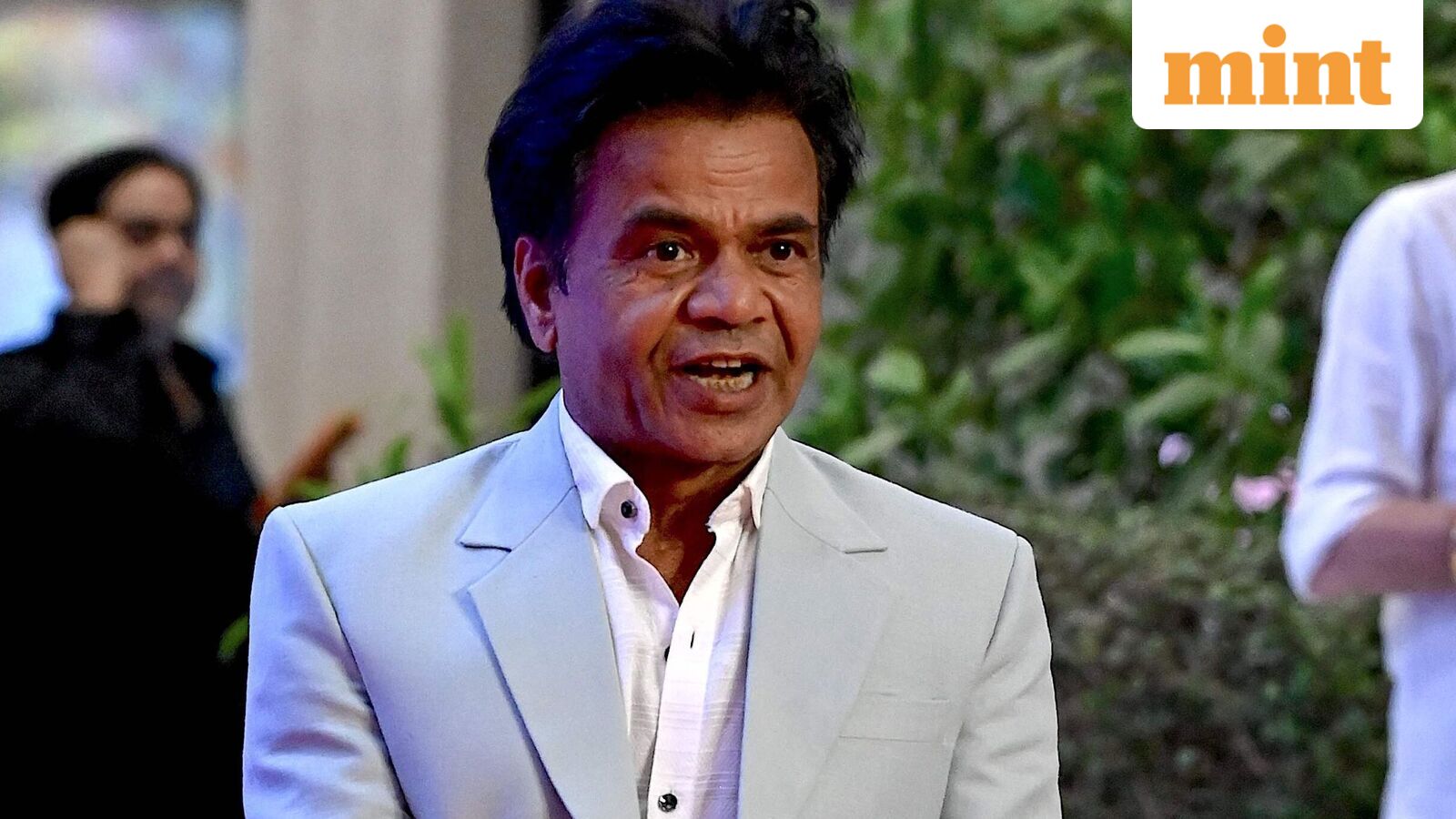
Rajpal Yadav Cheque Bounce Cases: Delhi HC Affirms Conviction, Sentences Actor to 3 Months Jail
Delhi High Court Verdict on Rajpal Yadav’s Cheque Bounce Cases
Theindiapostdaily.com – The Delhi High Court has finalized its decision in the Rajpal Yadav cheque bounce cases, upholding the conviction of the Bollywood actor and sentencing him to three months in jail. The court ruled that Yadav’s failure to clear the outstanding amounts from seven complainants, totaling over ₹1 crore, constituted a breach of financial obligations. Justice Swarana Kanta Sharma emphasized that the actor had already remitted approximately ₹2 crore, which would be subtracted from the total sum owed, but the remaining debt still warranted legal consequences. The judgment also granted Yadav a two-month period to file an appeal, allowing him to challenge the court’s decision in the coming weeks.
The Rajpal Yadav cheque bounce cases trace back to the 2019 sessions court decision, which convicted the actor and his wife in April 2018. Initially, the magisterial court had sentenced Yadav to six months imprisonment for issuing bounced cheques. However, in June 2024, the high court temporarily stayed his conviction, contingent on him taking “sincere and genuine measures” to resolve the disputes. This suspension allowed Yadav to withdraw funds and deposit ₹1.5 crore into the complainants’ accounts, leading to the court’s decision to suspend his sentence. Despite this, the final ruling reaffirmed his guilt, with the three-month jail term serving as a deterrent for future financial mismanagement.
“It was a genuine transaction to fund the production of a movie that underperformed at the box office, causing significant financial losses for Yadav,” his legal representative stated during the proceedings.
Background of the Rajpal Yadav Cheque Bounce Cases
The Rajpal Yadav cheque bounce cases began when multiple creditors alleged that the actor defaulted on payments, resulting in bounced cheques. These cases were filed following a series of disputes over financial agreements tied to his film projects. The actor’s legal team argued that the cheques were issued as part of legitimate business transactions, and the losses incurred were due to the film’s poor box office performance. However, the court found that Yadav had not fulfilled his commitments, even after the temporary stay in his sentence. The final decision in the Rajpal Yadav cheque bounce cases reflects a balance between the actor’s claims of genuine financial hardship and the legal need to enforce accountability.
The total amount involved in the Rajpal Yadav cheque bounce cases exceeds ₹1 crore, with each complainant seeking compensation for their losses. The court’s ruling requires Yadav to settle the remaining balance, which includes deducting the ₹2 crore he had already returned. This means the actor will still owe the complainants a significant portion of the debt, despite his efforts to resolve the matter. The judgment also highlights the importance of timely financial settlements in business dealings, serving as a cautionary tale for others in similar situations. With the Rajpal Yadav cheque bounce cases now concluded, the actor faces the prospect of serving his sentence as a result of repeated defaults.
The Rajpal Yadav cheque bounce cases have drawn attention due to their high-profile nature, with the actor known for his roles in popular Indian cinema. The legal proceedings underscore the complexities of personal and professional financial responsibilities, particularly in the entertainment industry. Yadav’s case also reflects the growing scrutiny of actors’ financial practices, as the courts increasingly hold them accountable for obligations beyond their acting careers. The final sentence in the Rajpal Yadav cheque bounce cases marks a significant moment for both the actor and the legal system, emphasizing the consequences of failing to meet financial commitments.
In the context of the Rajpal Yadav cheque bounce cases, the Delhi High Court’s decision reinforces the seriousness of bounced cheques as a legal offense. The actor’s legal team had previously argued that the defaults were due to unforeseen circumstances, but the court found sufficient evidence to sustain the conviction. The ruling also sets a precedent for similar cases, showing that even prominent figures must adhere to financial laws. As the Rajpal Yadav cheque bounce cases come to a close, the actor will need to take responsibility for his actions and ensure full compliance with the court’s order. The judgment underscores the importance of maintaining trust in business transactions and the legal repercussions of failing to do so.