Spain wildfire: 12 die, 23 remain missing; probe into cause continues — key updates
A catastrophic wildfire in southern Spain has claimed the lives of at least 12 people and left 23 others missing
Spain Wildfire Claims 12 Lives, 23 Still Missing – Key Updates
Theindiapostdaily.com – A catastrophic wildfire in southern Spain has claimed the lives of at least 12 people and left 23 others missing, sparking a major investigation into its origins. The blaze, which broke out in the Los Gallardos-Bédar region of Andalusia, has become one of the deadliest in the country’s recent history, with emergency teams working tirelessly to locate survivors and uncover the cause of the disaster. As the situation continues to unfold, the focus remains on the Spain wildfire’s devastating impact and the critical efforts to manage its aftermath.
Devastating Fire Spread and Escalation
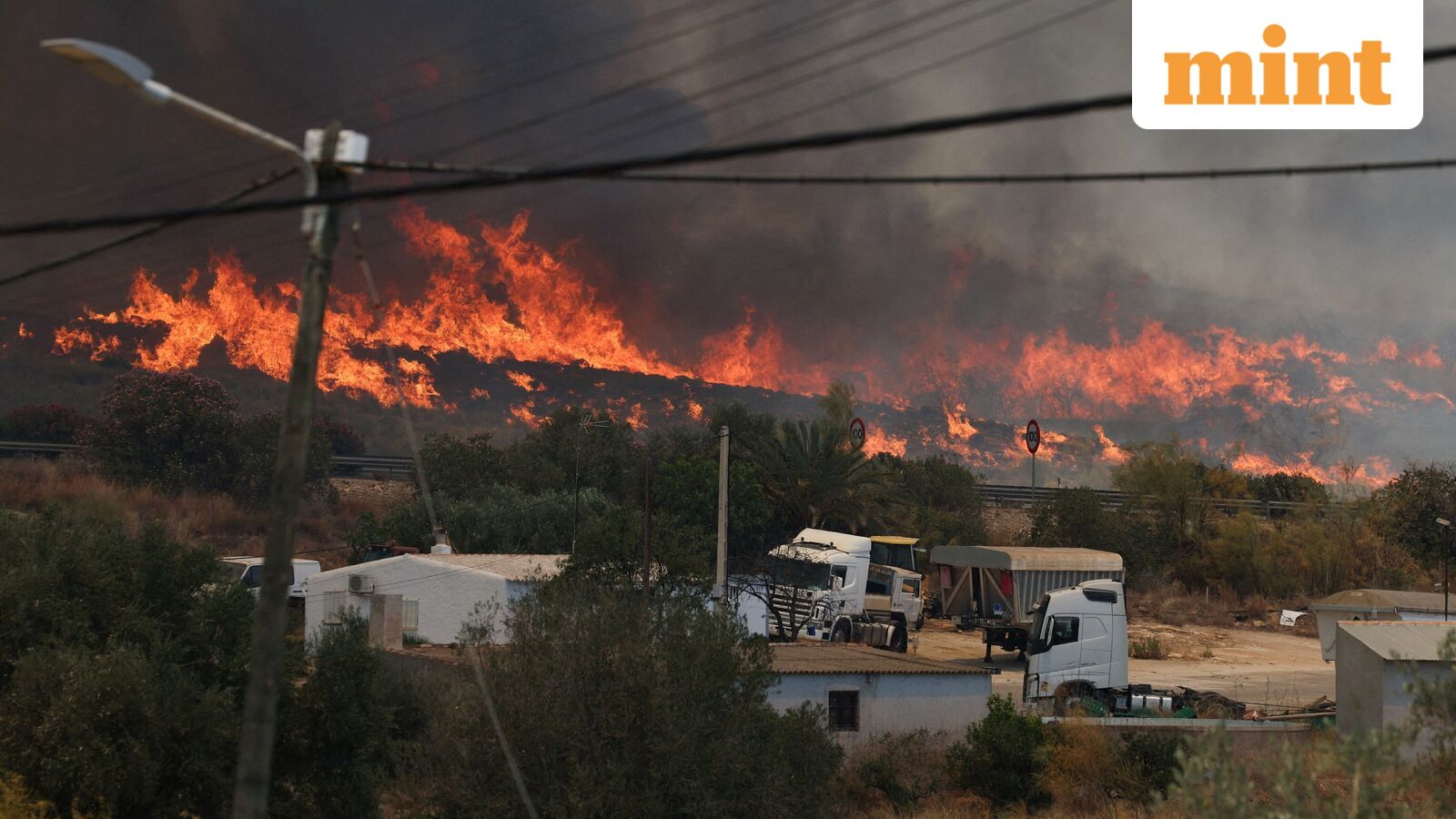
The Spain wildfire began near Los Gallardos and Bédar villages in Almería province, an area renowned for its scenic beauty and tourist attractions. Rapidly fueled by extreme heat and fierce winds, the flames consumed over 3,200 hectares of land, including forests, farmland, and residential areas, within hours of ignition. Authorities reported that the fire’s spread was particularly swift due to the dry vegetation and high temperatures, which reached up to 40°C in some regions. This has raised concerns about the growing frequency of such disasters in southern Europe, where climate change is exacerbating conditions.
Victims and Search Operations
As of the latest reports, 12 fatalities have been confirmed, with 23 individuals still missing in the Spain wildfire. Among the deceased, ten are foreign nationals, while one is a Spanish citizen, highlighting the international reach of the tragedy. Rescuers have discovered four bodies in a right-hand-drive vehicle, but many victims are believed to have abandoned their cars to flee on foot, only to be caught in the advancing flames. The identification process is ongoing, with DNA analysis and satellite imagery being used to locate and confirm the remains of those lost. Search teams are also combing through affected areas, working under challenging conditions caused by thick smoke and reduced visibility.
“Residents faced life-threatening situations as thick smoke reduced visibility and flames approached their homes, leading many to take alternative routes instead of following official evacuation orders,” said Antonio Sanz, Andalusia’s emergency chief. The incident has prompted a review of local disaster preparedness protocols, with officials emphasizing the need for improved communication strategies to prevent similar tragedies in the future.
Emergency Response and Resource Mobilization
The Spain wildfire has triggered an unprecedented emergency response, with over 500 firefighters and military personnel deployed to combat the blaze. More than 800 residents have been evacuated from their homes, with approximately 200 seeking shelter in temporary facilities. The fire service has utilized helicopters, aerial tankers, and ground crews to contain the spread, but shifting winds continue to complicate efforts. Four individuals have been injured, with some requiring urgent medical treatment. Local authorities are coordinating with regional and national agencies to ensure a sustained response, including setting up command centers and monitoring air quality for affected communities.
Climate Change and Regional Trends
Experts have linked the Spain wildfire to the broader trend of escalating climate extremes, which have made such disasters more frequent and severe in recent years. The current heatwave, part of a longer-term pattern of rising temperatures, has dried vegetation earlier than usual, creating an environment conducive to rapid fire growth. This year alone, over 57,000 hectares have burned in Spain, compared to nearly 400,000 hectares in the previous year. Scientists warn that these conditions are likely to persist, underscoring the urgent need for climate adaptation measures in vulnerable regions like Andalusia.
Comparisons to Past Disasters
The severity of the Spain wildfire has drawn parallels to historical events, such as the 2017 Portugal wildfire that claimed dozens of lives. In both cases, the combination of extreme weather and human decision-making played a critical role in the outcomes. Spanish Prime Minister Pedro Sánchez has expressed deep concern over the incident, calling it a “tragedy that shakes the nation” and vowing to support affected families. The incident has also sparked debates about the effectiveness of evacuation plans and the role of infrastructure in mitigating disaster risks.
Community Impact and Recovery Efforts
Residents of the Los Gallardos-Bédar region have been deeply affected by the Spain wildfire, with many losing their homes, livelihoods, and loved ones. The fire has disrupted local ecosystems, threatening wildlife and damaging agricultural crops. As recovery efforts begin, communities are rallying to rebuild and support those displaced. Volunteers are assisting with cleanup, while government aid is being distributed to affected families. The Spain wildfire serves as a stark reminder of the vulnerability of regions prone to extreme weather, and the need for proactive measures to safeguard both people and the environment.