Uttarakhand rains trigger flash flood risk in Dehradun: Rivers overflowing; Nainital, other districts on IMD’s red alert
Uttarakhand Rains Trigger Flash Flood Risk in Dehradun Theindiapostdaily.com – The monsoon season has unleashed unprecedented rainfall in Uttarakhand, with the focus keyword "Uttarakhand rains trigger flash flood" becoming a…
Uttarakhand Rains Trigger Flash Flood Risk in Dehradun
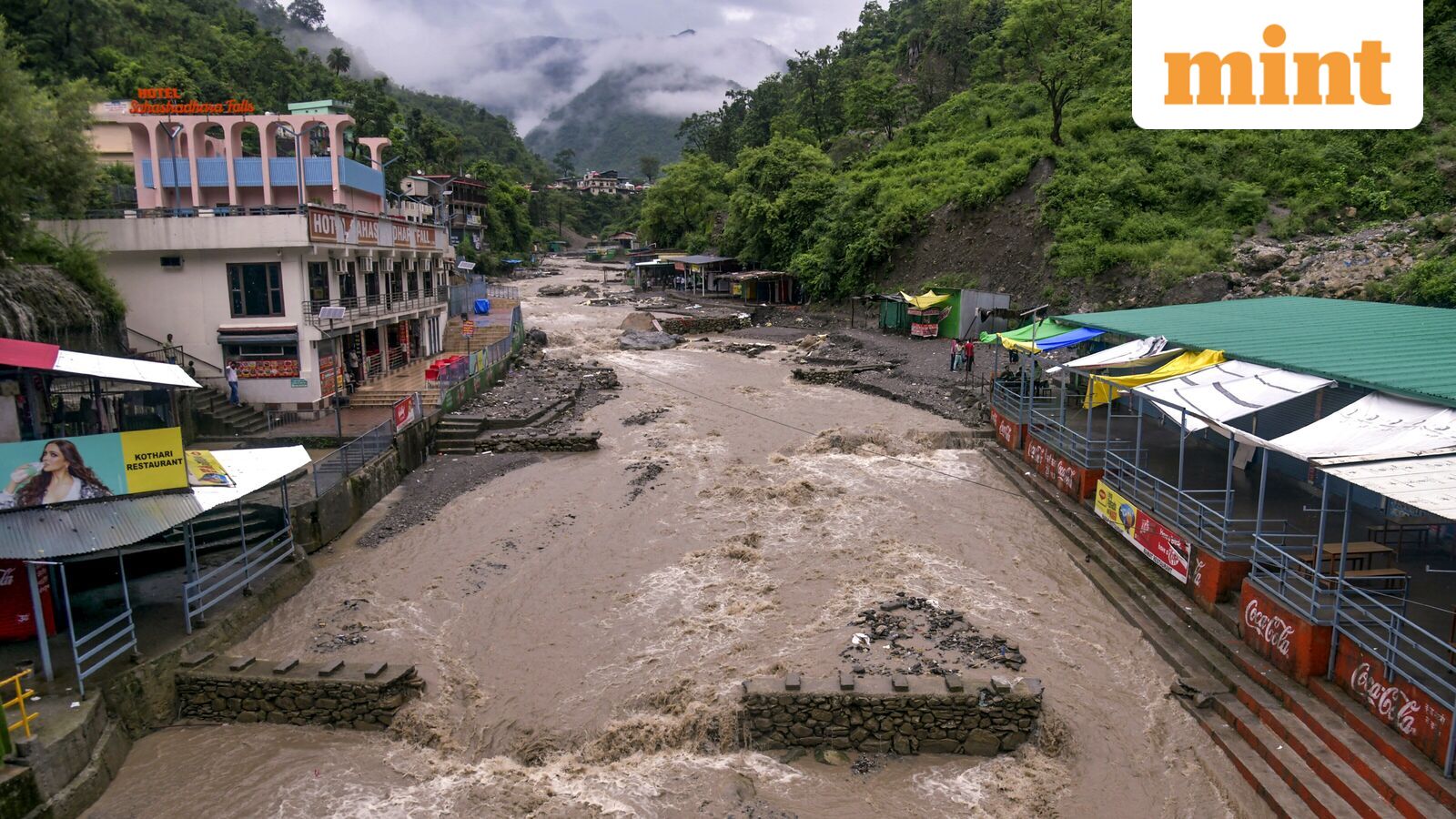
Theindiapostdaily.com – The monsoon season has unleashed unprecedented rainfall in Uttarakhand, with the focus keyword “Uttarakhand rains trigger flash flood” becoming a critical concern across the region. Heavy downpours have led to overflowing rivers and rising water levels, prompting the India Meteorological Department (IMD) to issue red alerts for several districts. Dehradun, in particular, faces a heightened threat of flash floods as the Alaknanda and Mandakini rivers approach their warning thresholds. Local authorities have taken proactive measures, including suspending school operations in Rudraprayag and disrupting traffic on 107 routes, to mitigate risks from the intense weather conditions.
IMD’s Alert and Regional Impact
According to the latest updates from the IMD, the state is experiencing “very heavy to extremely heavy rain” in key areas such as Udham Singh Nagar, Nainital, and Champawat. This has raised alarms for the Kumaon region, with thunderstorms and lightning exacerbating the situation. The agency’s warning highlights the likelihood of surface runoff and inundation in saturated soils, especially in low-lying areas, over the next 24 hours. IMD Director CS Tomar emphasized that the July 11 forecast indicates “extremely heavy rainfall” in these districts, underscoring the need for immediate preparedness.
“The combination of heavy rainfall and saturated ground has created a perfect storm for flash floods,” said IMD Director CS Tomar during a briefing. “Residents in vulnerable areas must remain alert and follow evacuation guidelines.”
Additionally, the red alert has prompted officials to issue advisories about the rising water levels. The Alaknanda River is currently at 623.153 metres, just 2.847 metres below its warning level of 626 metres. Meanwhile, the Mandakini River has reached 622.230 metres, while its tributaries at Ganganagar and Gaurikund have surged to 799.200 metres and 1,974.820 metres, respectively. These figures place the rivers close to their danger marks, which could lead to severe flooding if the rain continues.
Expanded Risks and District-Wide Precautions
As the “Uttarakhand rains trigger flash flood” scenario unfolds, the state’s hilly districts are under immense pressure. Orange alerts have been issued for Dehradun, Haridwar, Pauri, and Bageshwar, indicating “heavy to very heavy rain” expected in the coming days. Meanwhile, Almora, Chamoli, and Tehri Garwal are also flagged for possible flash flood events. The district administration in Rudraprayag has urged locals and pilgrims to avoid riverbanks and streams, emphasizing the importance of adhering to IMD advisories.
Authorities have been closely monitoring the situation, with rainfall measurements in key areas showing significant activity. Rudraprayag district headquarters recorded 20 mm of rain, while Jakholi and Ukhimath reported 46 mm and 23 mm, respectively. These figures, combined with the current water levels, suggest that the “Uttarakhand rains trigger flash flood” risk is not isolated but widespread. The IMD’s red alert for Udham Singh Nagar, Nainital, and Champawat has been extended, with officials warning that the region could face prolonged inundation.
Infrastructure and Community Response
The impact of the “Uttarakhand rains trigger flash flood” has already begun to strain infrastructure. Roads and bridges in flood-prone zones have been submerged, cutting off access to remote villages. In Dehradun, local authorities have deployed sandbags and sand-filled containers to reinforce embankments, while emergency teams are preparing for potential evacuations. Residents have been advised to keep emergency kits ready and stay updated through local news and radio channels.
Community efforts have also intensified. Volunteers in Nainital and other districts are assisting in clearing drainage systems and monitoring water flow. Social media platforms have been flooded with updates from affected areas, highlighting the real-time nature of the crisis. The state government has announced relief measures, including the provision of temporary shelters and food supplies, to support those displaced by the rising waters. These actions reflect the growing awareness of the “Uttarakhand rains trigger flash flood” threat and the coordinated response required to address it.
Historical Context and Future Outlook
This year’s monsoon season has been particularly severe, with Uttarakhand experiencing above-average rainfall since June. Experts note that the current situation is reminiscent of past floods, such as the 2013 disaster that devastated the Kumaon region. While the IMD has not predicted the same level of devastation, the “Uttarakhand rains trigger flash flood” trend raises concerns about potential waterlogging and landslides in mountainous terrain.
Looking ahead, the weather agency forecasts that the heavy rainfall could persist for the next few days, with isolated thunderstorms continuing to pose a threat. Officials warn that without timely intervention, the risk of flash floods may escalate. The focus keyword “Uttarakhand rains trigger flash flood” is central to understanding the ongoing crisis, as it encapsulates the immediate danger posed by the region’s weather patterns. With rivers still rising and alerts in effect, the state remains on high alert for any signs of a major flood event.