Trump calls Iran govt ‘cancer’: Why have US-Iran strikes resumed? What does it mean for peace talks?
Trump Calls Iran Govt 'Cancer' as US-Iran Strikes Resume, Peace Talks in Jeopardy Resumption of Military Action Sparks Global Market Reactions Theindiapostdaily.com – On July 8, President Donald Trump declared…
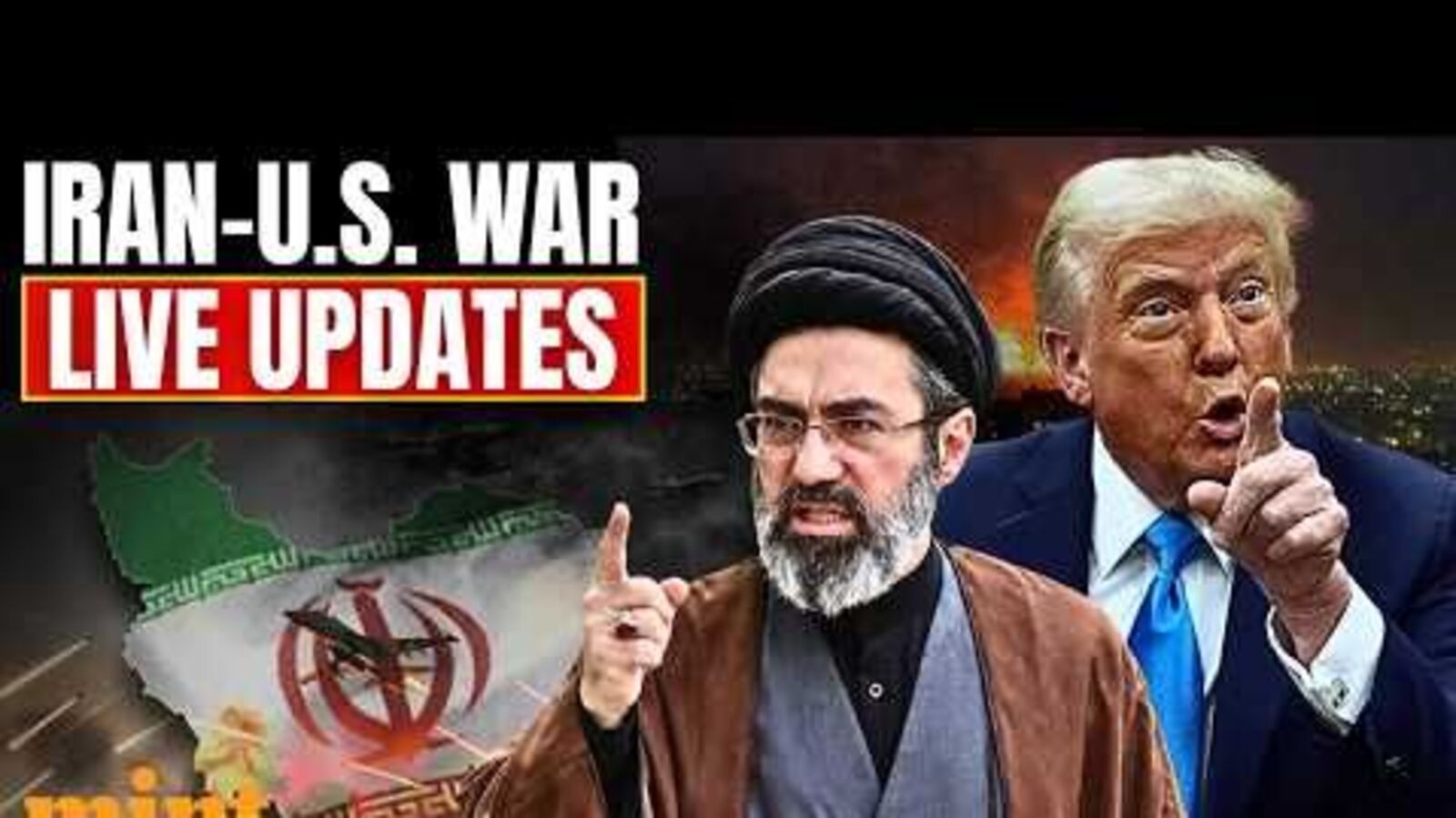
Trump Calls Iran Govt ‘Cancer’ as US-Iran Strikes Resume, Peace Talks in Jeopardy
Resumption of Military Action Sparks Global Market Reactions
Theindiapostdaily.com – On July 8, President Donald Trump declared the Iran nuclear deal obsolete, setting the stage for renewed military strikes against the country. In a fiery address at the NATO summit in Ankara, Trump likened Iran’s government to a “cancer,” vowing to eliminate it swiftly. “These are evil, sick people. And we have to rid of that cancer… You got to cut out cancer early,” he stated, underscoring his belief that Iran’s policies pose an existential threat to global security. The resumption of strikes marked a significant shift in U.S. strategy, reigniting tensions that had previously been eased by diplomatic efforts.
Iran’s Alleged Attacks and U.S. Retaliation
The U.S. military action followed Iran’s reported attacks on three commercial vessels in the Strait of Hormuz, a critical waterway for global oil shipments. These ships, operated by the Marshall Islands, Saudi Arabia, and Liberia, were damaged near Oman’s coast, prompting Washington to retaliate. The strike targets included air defense systems, coastal radar installations, and Islamic Revolutionary Guard Corps (IRGC) assets, with the goal of disrupting Iran’s ability to threaten international trade. The decision to resume strikes came amid heightened fears of a potential Iranian attack on U.S. interests in the region.
Strategic Targets and Iranian Defenses
Iran had earlier urged ships to navigate a “safe route” along its coastline, effectively designating Omani waters as a restricted zone. However, some vessels ignored these warnings, leading to the U.S. targeting key Iranian facilities. The strikes focused on areas like Sirik, Qeshm Island, and Bandar Abbas, which are vital for Iran’s maritime operations. While Iranian state media reported injuries from shrapnel, they noted no fatalities, highlighting the precision of the U.S. response. The emphasis on “cancer” rhetoric underscored the administration’s resolve to address Iran’s perceived aggression through military means.
Reinstated Sanctions and Diplomatic Fallout
As part of its strategy to pressure Iran, the U.S. Treasury reinstated sanctions on the country’s oil exports, reversing a 60-day waiver that had allowed Tehran to continue crude sales. This move, tied to the Memorandum of Understanding signed on June 17, aimed to force Iran into compliance with American demands. The new sanctions took effect on July 7, with a grace period for existing contracts, signaling a calculated effort to disrupt Iran’s economy without immediate escalation. Critics argue this approach risks further destabilizing peace talks, as the “cancer” label fuels hardened positions on both sides.
Iran’s Retaliation and International Response
Iran retaliated by launching strikes on U.S. military installations in Bahrain and Kuwait, targeting the Port Salman and Ali Salem Airbase. The Islamic Revolutionary Guard Corps (IRGC) claimed to have destroyed critical infrastructure, including a drone during the operation. A local source confirmed one IRGC member was killed in the exchange, while the Ministry of Foreign Affairs condemned the U.S. actions as “gross violations” of the MoU. The strikes not only escalated military tensions but also drew condemnation from allies, who feared the impact on regional stability and the prospects for diplomatic resolution.
Implications for Peace Talks and Global Tensions
The resumption of strikes has raised doubts about the future of peace talks between the U.S. and Iran. With Trump’s “cancer” rhetoric intensifying, the prospects for a diplomatic breakthrough appear dim. Analysts suggest that the administration’s emphasis on military action may reflect a broader strategy to undermine Iran’s influence in the region. Meanwhile, global markets reacted sharply to the news, with Brent crude oil prices surging 6% and European equity markets declining 1.6%. Investors now brace for potential disruptions in oil supply, further highlighting the stakes of the renewed conflict.
“These are evil, sick people. And we have to rid of that cancer… You got to cut out cancer early (sic),”