PM Modi heads to Australia after wrapping up 3-day Indonesia visit with 14 strategic pacts
PM Modi Heads to Australia After 3-Day Indonesia Visit Theindiapostdaily.com – Prime Minister Narendra Modi concluded his three-day visit to Indonesia with the signing of 14 strategic pacts, marking a…
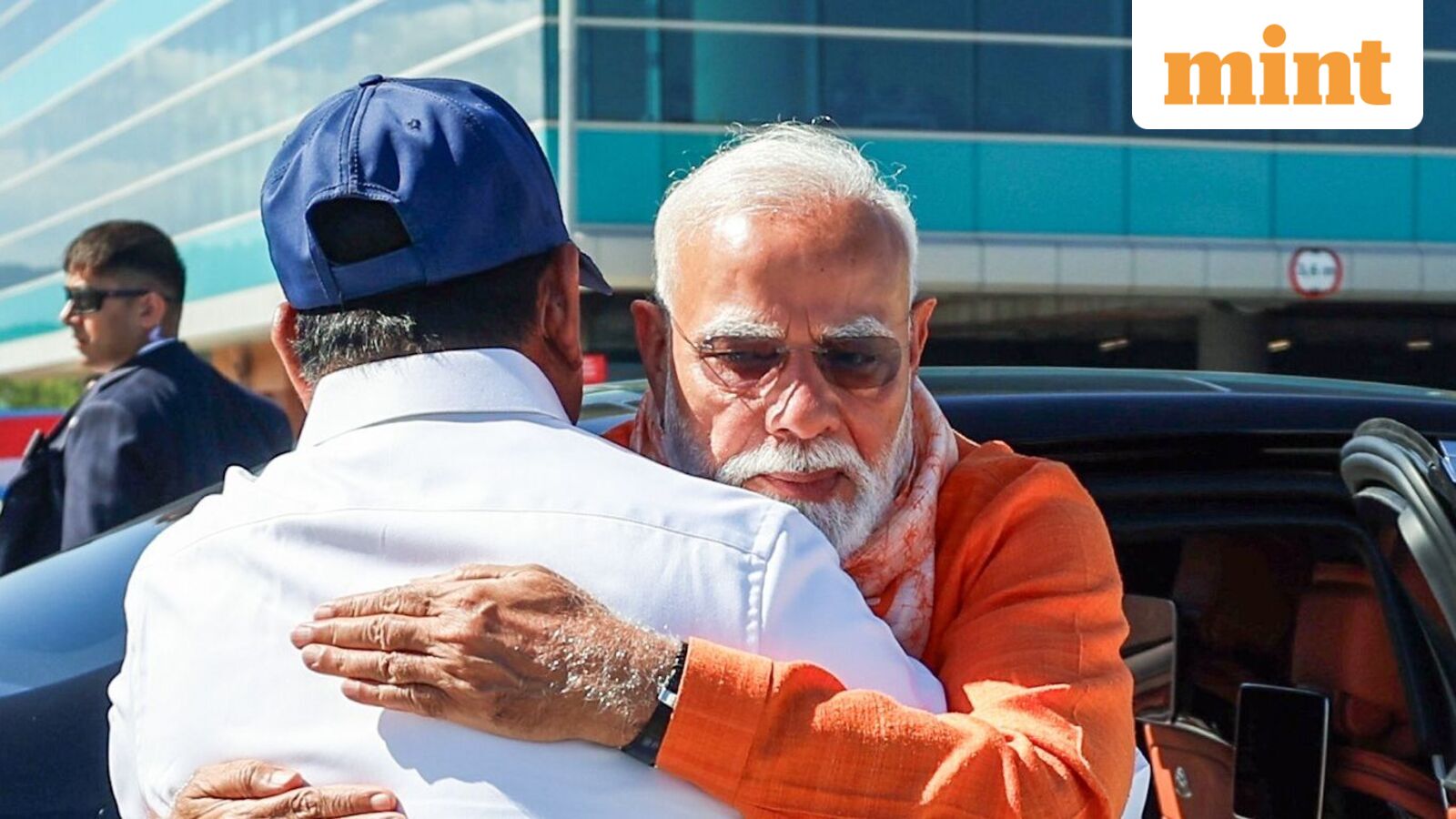
PM Modi Heads to Australia After 3-Day Indonesia Visit
Theindiapostdaily.com – Prime Minister Narendra Modi concluded his three-day visit to Indonesia with the signing of 14 strategic pacts, marking a pivotal step in strengthening Indo-Pacific ties. The focus keyword PM Modi heads to Australia was confirmed as the next destination for the Indian leader, who will continue fostering regional partnerships during his upcoming trip. The agreements, which span sectors like critical minerals, maritime security, and technology, highlight India’s growing engagement with Southeast Asia and its commitment to strategic collaboration. Modi’s departure from Jakarta follows a series of high-level meetings with Indonesian President Prabowo Subianto, culminating in a shared vision for enhanced economic and defense cooperation.
Deepening Bilateral Ties Through Strategic Agreements
During the visit, Modi and Prabowo Subianto emphasized the importance of consolidating India-Indonesia relations under the Comprehensive Strategic Partnership framework established in 2018. The 14 agreements include initiatives to bolster steel supply chains, joint research in outer space, and expanded collaboration in pharmaceuticals and education. These pacts are expected to drive trade growth and create new avenues for investment, particularly in critical sectors such as rare-earth minerals and renewable energy. The visit also saw the agreement to develop the Sabang Port, a strategic gateway near the Strait of Malacca, which could serve as a vital logistics hub for Indo-Pacific trade.
“India and Indonesia are not just partners in trade but are allies in shaping the future of the Indo-Pacific region,” said External Affairs Ministry spokesperson Randhir Jaiswal, who shared a social media post detailing the visit’s achievements. The statement underscores the shift from traditional trade agreements to more comprehensive strategic alliances, positioning the two nations as key players in regional geopolitics. The Sabang Port project, in particular, is seen as a landmark initiative to enhance connectivity between India and Southeast Asia.
Strengthening Defense and Security Collaborations
A significant portion of the agreements centered on defense and security, reflecting the growing alignment between India and Indonesia in countering regional threats. Modi and Prabowo discussed enhancing military cooperation, including joint naval drills and intelligence-sharing frameworks, to safeguard maritime interests. The Sabang Port initiative is also tied to defense logistics, as it aims to provide India with access to critical supply routes in the South China Sea. This move aligns with India’s broader strategy to secure its maritime trade corridors and reduce reliance on single-source suppliers.
Modi’s visit to Indonesia was part of a larger three-nation tour that includes Australia and New Zealand, each of which is critical to India’s geopolitical and economic ambitions. The focus keyword PM Modi heads to Australia will now take center stage, with the trip expected to address key areas such as trade agreements, climate partnerships, and defense alliances. Australian Prime Minister Anthony Albanese has extended an invitation for Modi to explore ways to deepen bilateral ties, particularly in education, technology, and people-to-people exchanges.
Cultural and Diplomatic Highlights
Modi’s engagement in Indonesia extended beyond economic and defense matters, with a notable visit to the Prambanan Temple complex in Yogyakarta. The ceremony to inaugurate a joint conservation project for this UNESCO World Heritage Site symbolizes the cultural synergy between the two nations. Modi praised Indonesia’s efforts in preserving its historical landmarks, highlighting the mutual respect for heritage and traditions. This event followed the exchange of a Letter of Intent to collaborate on the temple’s restoration, showcasing India’s willingness to support Indonesia’s cultural development.
The cultural ties between India and Indonesia have long been a cornerstone of their relationship, with shared languages, historical connections, and vibrant trade networks. Modi’s presence in Indonesia reinforced these bonds, while also signaling a new era of strategic pacts. As the focus keyword PM Modi heads to Australia begins its next chapter, the nation will look to build on this momentum, with the Indo-Pacific region at the forefront of India’s foreign policy priorities.
Indo-Pacific Strategy and Regional Significance
The agreements with Indonesia are part of India’s larger Indo-Pacific strategy, which aims to counterbalance China’s influence in the region. By strengthening partnerships with key nations like Indonesia and Australia, India seeks to create a more resilient and diversified trade network. Modi’s emphasis on maritime security and critical minerals during the visit highlights the importance of resource and strategic autonomy for India. The Sabang Port initiative, in particular, is expected to enhance India’s strategic foothold in Southeast Asia, ensuring access to vital shipping lanes and energy resources.
As PM Modi heads to Australia, the focus will shift to solidifying partnerships that align with India’s economic and security goals. The upcoming meetings with Australian leaders are anticipated to address issues such as renewable energy cooperation, digital innovation, and defense logistics. With the Indo-Pacific region becoming a central axis of global trade, India’s strategic pacts with Indonesia and Australia are poised to play a crucial role in shaping the future of regional alliances and economic resilience.