US launches strikes in response to attacks on commercial vessels in Hormuz, revokes Iran’s oil sanctions waiver
US Launches Strikes in Response to Attacks on Commercial Vessels Theindiapostdaily.com – On Wednesday, the U.S. launched a series of military strikes in direct response to recent attacks on commercial…
US Launches Strikes in Response to Attacks on Commercial Vessels
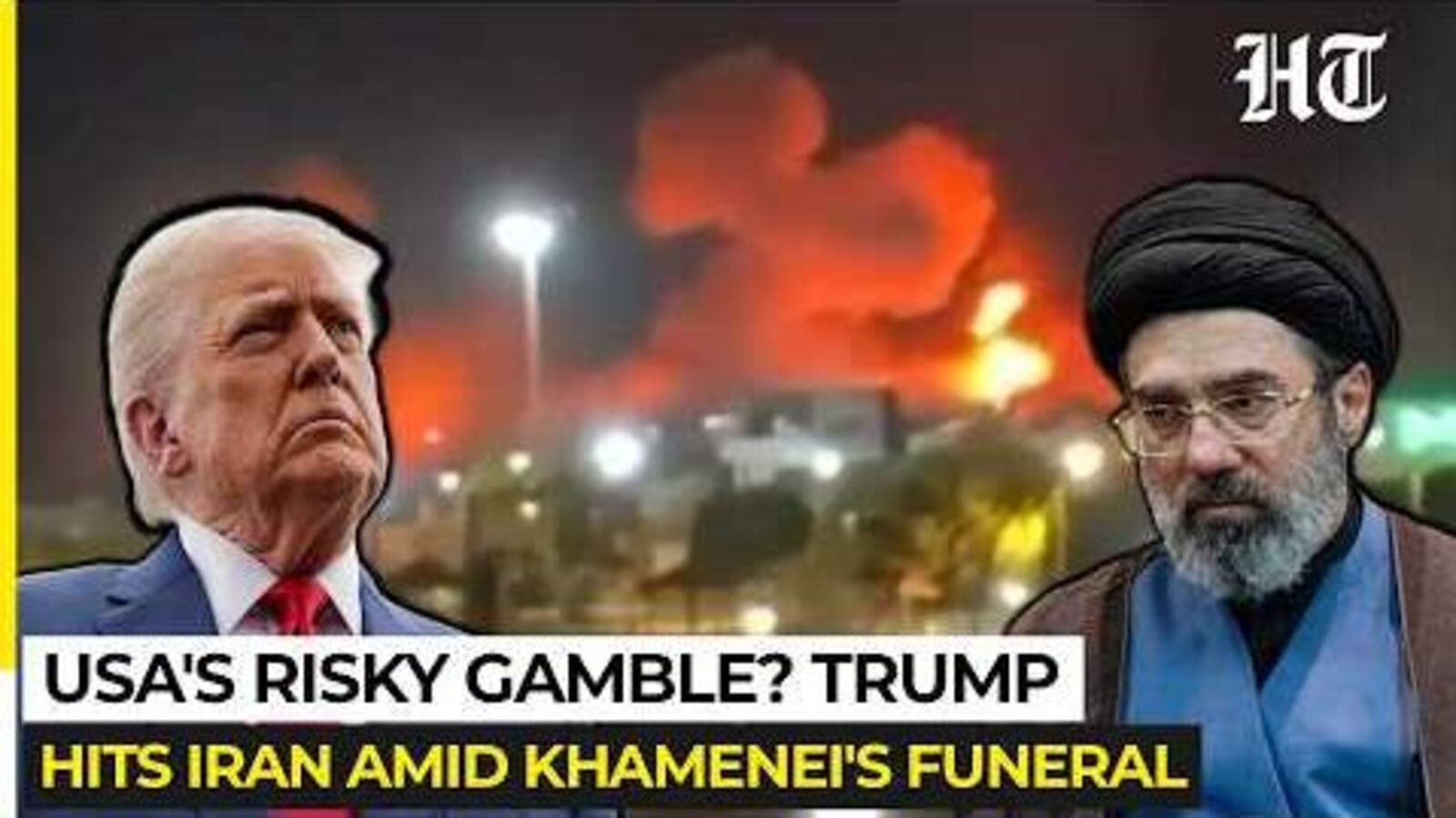
Theindiapostdaily.com – On Wednesday, the U.S. launched a series of military strikes in direct response to recent attacks on commercial ships in the Strait of Hormuz, a critical maritime chokepoint for global oil exports. The operation targeted Iranian infrastructure, aiming to signal resolve against Tehran’s aggressive actions and deter further threats to international trade routes. The strikes followed a coordinated assault on three vessels, including a Qatari liquefied natural gas tanker, which raised concerns over the security of oil shipments and the stability of the region’s strategic waterway.
Strategic Targets and U.S. Rationale
The U.S. military focused its strikes on key Iranian defense systems, including coastal radar installations and missile sites, to disrupt the country’s ability to conduct future attacks. These actions were framed as a necessary measure to protect commercial shipping, which the U.S. Central Command called “a clear violation of the ceasefire agreement.” Officials emphasized that the strikes would impose significant costs on Iran, both militarily and economically, as part of a broader strategy to counter its assertive posture in the region.
“The attacks in the Strait of Hormuz were not just a tactical move but a demonstration of Iran’s intent to dominate maritime trade,” stated a U.S. defense official. “Our response is designed to send a strong message that such actions will not go unanswered.”
Revoking the Oil Sanctions Waiver
In parallel with the military strikes, the U.S. Treasury Department revoked a key oil sanctions waiver that had allowed Iran to export up to 1.5 million barrels per day of crude oil. This decision was made in direct response to the attacks, with officials describing Tehran’s actions as “wholly unacceptable” and a threat to global energy security. The waiver, which had been in place since 2020, was rescinded, forcing Iran to halt oil transactions by 17 July as part of a revised U.S. policy to tighten economic pressure on the country.
Iran’s Defense and Strategic Claims
Iranian officials defended their actions, asserting that the attacks on commercial vessels were a necessary response to Western sanctions and a means of securing control over the Strait of Hormuz. The country’s state media reported that explosions targeted facilities in Sirik and Bandar Abbas, damaging infrastructure that supports both military and civilian maritime operations. While Iran claimed the Qatari tanker ignored prior warnings, it did not explicitly admit responsibility for the strikes, leaving room for diplomatic maneuvering.
“We are protecting our national interests and ensuring the freedom of navigation in the Strait of Hormuz,” said an Iranian military spokesperson. “The U.S. must understand that Iran will defend its sovereignty in the region.”
Geopolitical Implications and Global Reactions
The U.S. strikes and the revocation of the oil sanctions waiver have intensified geopolitical tensions in the Middle East, prompting reactions from regional allies and international stakeholders. Saudi Arabia, a major oil producer and partner of the U.S., expressed support for the military action, while China and Russia urged restraint to avoid escalation. Analysts warn that the move could destabilize the region, as Iran seeks to reclaim its strategic foothold in the Strait of Hormuz, which is vital for about 20% of the world’s oil supply. The U.S. has also called on OPEC to maintain production levels to stabilize global markets amid rising fears of supply disruptions.
Timeline and Impact on Maritime Trade
The attacks on commercial vessels in the Strait of Hormuz, which occurred in late June, marked a significant escalation in the conflict between the U.S. and Iran. The Qatari tanker, along with two other ships, was struck by ballistic missiles, causing damage and raising alarms among shipping companies. The U.S. response, which included the strikes and the sanctions revocation, aims to restore confidence in the safety of maritime trade. However, the incident has already prompted increased insurance costs for vessels traversing the strait and a temporary slowdown in oil shipments, highlighting the economic stakes of the conflict.
“The attacks have disrupted global energy markets and underscored the vulnerability of international shipping in the region,” noted a maritime security expert. “The U.S. action is a calculated effort to prevent further chaos and assert dominance.”
As the situation unfolds, the focus remains on the U.S. launching strikes in response to Iran’s aggressive maneuvers. The combined military and economic measures signal a shift in Washington’s approach to containing Tehran’s influence. With the Strait of Hormuz now a flashpoint for renewed conflict, the international community watches closely for potential further escalations. The U.S. has made it clear that its strikes in response to the attacks were a decisive step in protecting global interests, setting the stage for ongoing diplomatic and military tensions.