IMD issues flash flood alert for Gujarat, Maharashtra and Karnataka over next 24 hours
IMD Issues Flash Flood Alert for Gujarat, Maharashtra, Karnataka Theindiapostdaily.com – The India Meteorological Department (IMD) has issued a flash flood alert for Gujarat, Maharashtra, and Karnataka, warning of intense…
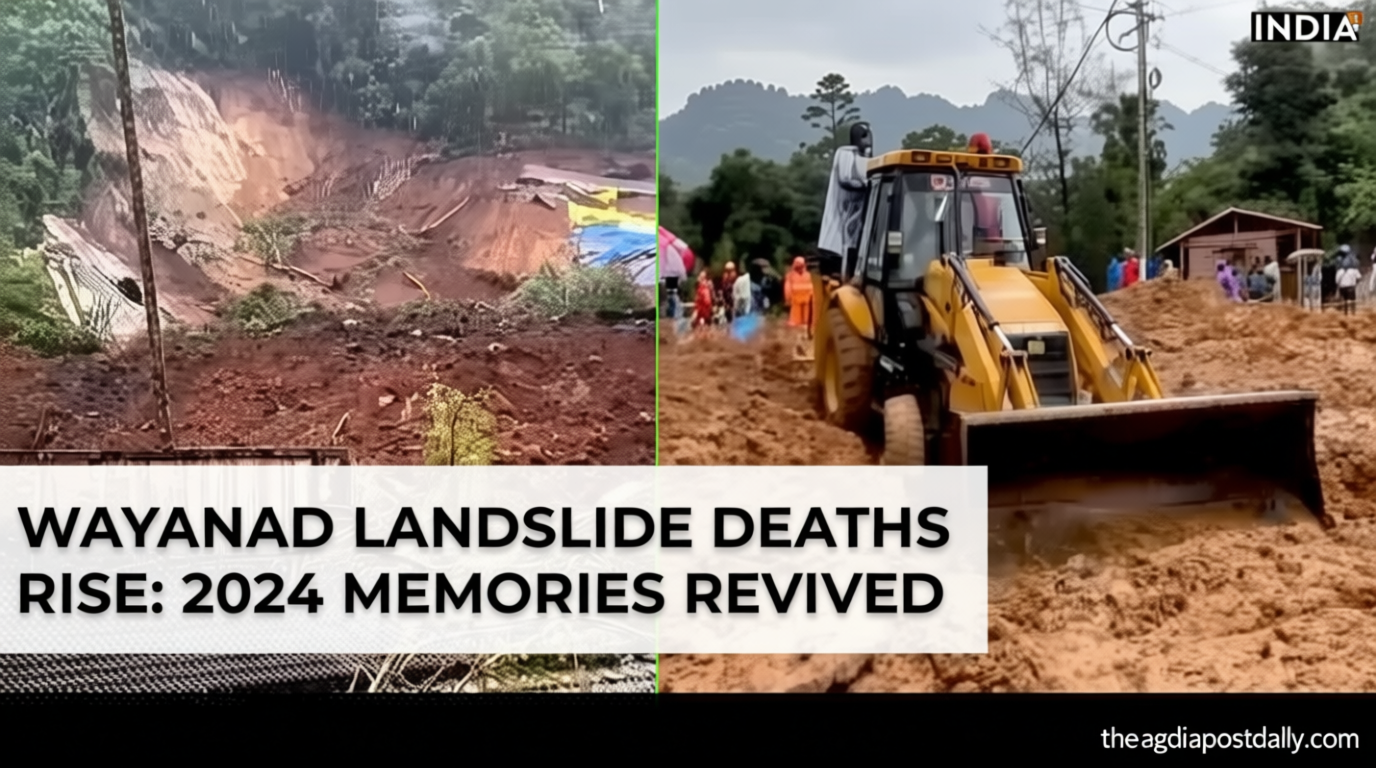
IMD Issues Flash Flood Alert for Gujarat, Maharashtra, Karnataka
Theindiapostdaily.com – The India Meteorological Department (IMD) has issued a flash flood alert for Gujarat, Maharashtra, and Karnataka, warning of intense rainfall and potential waterlogging over the next 24 hours. This critical advisory comes as weather systems intensify, with heavy downpours likely to overwhelm drainage infrastructure and create hazardous conditions in low-lying areas. The alert underscores the urgency for residents to remain vigilant and prepared, as the monsoon season continues to bring erratic weather patterns to the region.
Rainfall Intensity and Regional Vulnerabilities
According to the IMD, the next 24 hours will witness significant rainfall, with some areas receiving more than 200 millimeters of rain. The forecast highlights that Saurashtra & Kutch, central Maharashtra, Konkan & Goa, and coastal Karnataka are particularly at risk due to their geographical features. These zones are characterized by dense vegetation, steep slopes, and urbanized areas with inadequate drainage, making them susceptible to rapid surface runoff and localized flooding. The department has also emphasized that the alert includes districts such as Rajkot, Surendranagar, and Bhavnagar in Gujarat, along with parts of Ahmedabad and Vadodara, which are expected to face moderate to severe impacts.
“The combination of heavy rainfall and saturated soil conditions may lead to sudden flash floods in key regions,” said an IMD spokesperson. “Residents in these areas should avoid low-lying zones and stay updated with real-time weather updates.”
The alert follows recent heavy rains that have already caused disruptions across several states. In Maharashtra, for instance, the downpours have led to the closure of multiple roads and the displacement of thousands of people. Similarly, in Karnataka, flash floods have damaged crops and infrastructure, while Gujarat has seen instances of waterlogging affecting daily commutes. The IMD’s warning is a call to action for local authorities to implement preventive measures and for the public to take the threat seriously.
Emergency Preparedness and Public Response
Authorities in the affected states have ramped up their emergency response efforts. In Gujarat, flood barriers are being deployed in vulnerable coastal areas, while Maharashtra’s disaster management teams have initiated evacuations in high-risk zones. Karnataka’s local officials have also issued advisories to communities living in flood-prone regions, urging them to secure property and stock up on essential supplies. The public is advised to monitor IMD updates, use social media for real-time alerts, and stay informed about traffic disruptions and evacuation routes.
Residents in the identified zones are advised to avoid unnecessary travel, especially during peak rainfall hours. The IMD has also recommended that people keep emergency kits ready, including flashlights, batteries, and waterproof gear. In urban areas, the focus is on ensuring that drainage systems are clear and that emergency services can respond swiftly to incidents. The department’s proactive measures aim to minimize the impact of the storm and protect lives and property.
Monsoon Trends and Regional Implications
The southwest monsoon is currently expanding across western India, bringing much-needed relief to drought-affected regions while simultaneously posing new challenges. The IMD has noted that the monsoon has already reached parts of Rajasthan and Haryana, with its progression expected to cover Punjab within the next two to three days. This widespread spread of the monsoon is likely to increase the frequency of heavy downpours, particularly in the central and western parts of the country, which are now under the alert.
As the monsoon advances, meteorologists predict that northern India will experience a rise in rainfall intensity over the coming days. This could lead to further disruptions in transportation and agriculture, compounding the effects of the current alert. The IMD’s regional forecasts indicate that the combination of monsoon rains and localized thunderstorms will continue to test the resilience of urban and rural infrastructure alike. For example, cities like Surat and Vadodara may see a surge in flood-related incidents, while agricultural areas in Karnataka could face delayed sowing due to prolonged wet spells.
Historical Context and Climate Change Factors
This alert comes amid a growing trend of extreme weather events linked to climate change. Over the past decade, Gujarat, Maharashtra, and Karnataka have experienced increasingly frequent and severe flooding episodes, often exceeding historical averages. In 2022, for instance, heavy monsoon rains caused widespread damage in Gujarat, with over 200,000 people displaced. The current situation is similar, as the IMD notes that the region’s vulnerability is heightened by changing climate patterns and increased urbanization.
Climate change has contributed to more unpredictable weather systems, with the monsoon season showing greater variability in onset and intensity. Experts warn that the frequency of such events is expected to rise, making it essential for both governments and communities to enhance their preparedness. The IMD’s latest alert serves as a reminder of the delicate balance between the benefits of rainfall and the risks it poses, particularly in states like Maharashtra, where rapid urbanization has exacerbated flooding in recent years.
As the region braces for the next 24 hours, the focus remains on mitigating the impact of the heavy rains. Local authorities are working closely with the IMD to monitor conditions and issue timely updates. The public is encouraged to stay informed through official channels, as the situation may evolve quickly. With the monsoon season in full swing, the importance of coordinated efforts between the government and residents cannot be overstated in preventing further damage and ensuring safety.