India’s ‘warmth and convenience’ can’t be replicated: Woman’s US vs India post goes viral; netizens react
India’s Warmth and Convenience: A Viral Post Highlights Its Unique Appeal American Woman’s Viral Take Sparks Global Conversation Theindiapostdaily.com – India’s warmth and convenience have become a central theme in…
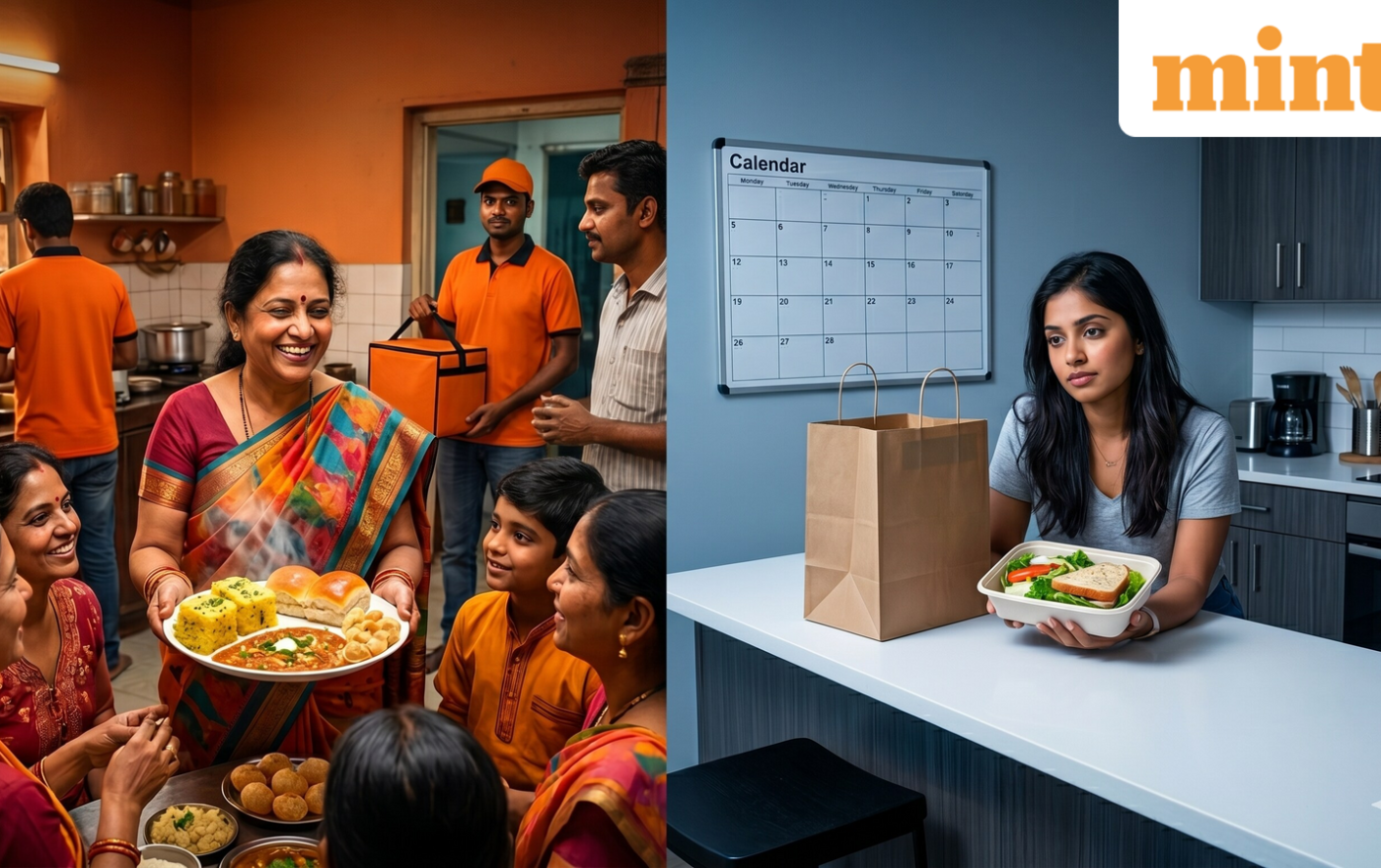
India’s Warmth and Convenience: A Viral Post Highlights Its Unique Appeal
American Woman’s Viral Take Sparks Global Conversation
Theindiapostdaily.com – India’s warmth and convenience have become a central theme in a viral social media post by Manali Dey, a content creator based in California. Her candid comparison of life in the U.S. and India has resonated widely, offering a fresh perspective on the cultural and practical aspects that define the subcontinent. The post, which emphasizes the irreplaceable qualities of Indian living, has sparked a wave of engagement and reflection among netizens.
Manali’s observations capture the essence of India’s charm, from its vibrant festivals to its affordable street food. She notes, “India’s warmth and convenience are unmatched in the way they blend into daily life.” Her content highlights the contrast between the structured efficiency of American society and the spontaneous, heartfelt interactions that characterize Indian culture. This viral narrative has become a rallying point for those who feel a deep connection to their homeland.
“In India, food arrives before you even finish deciding what to watch on Netflix.”
“Delivery arrives when promised… but definitely not in 10-20 minutes. And somehow the delivery fee, service fee, convenience fee, and tip cost more than the food itself.”
Comparing Convenience and Culture in Daily Life
India’s warmth and convenience extend beyond just food and delivery. Manali critiques the American approach to customer service, where she finds it overly formal and impersonal. She contrasts this with the warm, personal interactions in India, such as “Sir, please stay on the line, we’re resolving it.” In the U.S., she notes, “Please listen carefully as our menu options have changed,” followed by hours of hold music. This cultural difference underscores the unique charm of Indian living.
India’s warmth and convenience are also evident in its cultural festivals, which she describes as “vibrant celebrations filled with lights, sweets, and family gatherings.” In the U.S., such events often feel rushed, with “Happy Diwali! …and see you at the office tomorrow morning” becoming the standard. Her post reminds viewers of the emotional depth and community spirit that define Indian traditions.
Manali also points out the value of everyday affordability, emphasizing that “India’s warmth and convenience lie in the simplicity of ₹50 pani puri, which means instant happiness.” She contrasts this with the higher cost of similar items in the U.S., such as “$12 sandwiches, plus tax and tip.” Her message highlights how India’s cost-effective lifestyle fosters a sense of contentment that is hard to replicate.
Netizens’ Reactions Reflect a Universal Longing
India’s warmth and convenience have sparked a global dialogue among social media users. Many comments echoed Manali’s sentiments, with some calling her post “a perfect encapsulation of why we miss home.” Others shared similar experiences, such as the ease of accessing healthcare in India versus the bureaucratic delays in the U.S. The viral response shows that her perspective resonates beyond her own story.
India’s warmth and convenience are not just about affordability or efficiency; they represent a cultural identity that is deeply rooted. Manali’s post has become a symbol of nostalgia for those who live abroad, highlighting how the subcontinent’s unique qualities create an emotional bond that cannot be easily replaced. Her words remind viewers that progress and heritage can coexist, even in a globalized world.
“We leave to chase dreams, but somewhere between quiet neighborhoods, scheduled social lives, and expensive delivery fees, we realize something: No matter where life takes us, there’s truly no place like home,” she concluded. This reflection on India’s warmth and convenience has inspired a wave of pride and appreciation, encouraging people to celebrate the strengths of their own culture.