India taps drugmakers after Russia seeks morphine for battlefield care
ers to Aid Russia’s Morphine Needs India taps drugmakers after Russia seeks morphine for battlefield care, as the nation’s pharmaceutical sector steps up to
India’s Government Urges Domestic Drugmakers to Aid Russia’s Morphine Needs
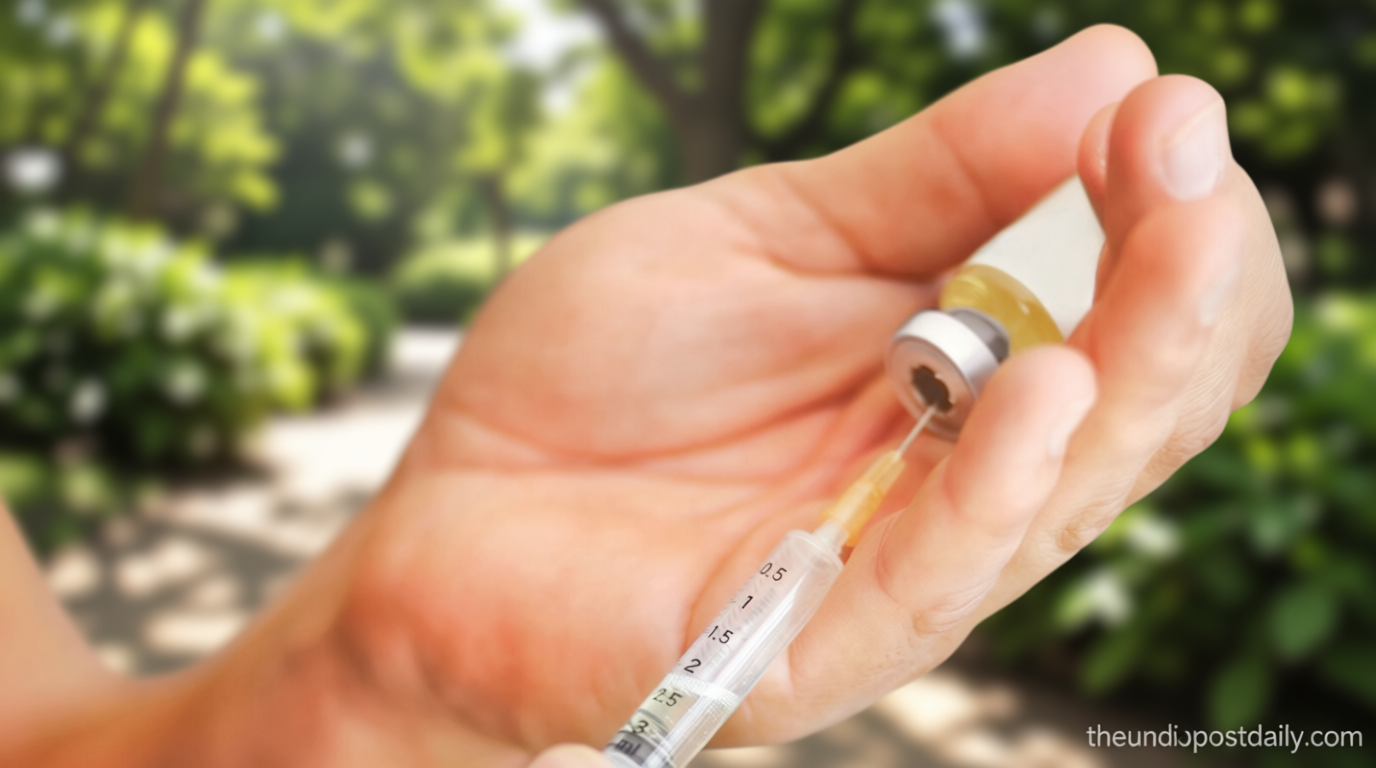
Theindiapostdaily.com – India taps drugmakers after Russia seeks morphine for battlefield care, as the nation’s pharmaceutical sector steps up to address the urgent demand from its neighbor. Amid escalating geopolitical tensions and economic sanctions imposed by Western countries, Russia has turned to India for critical medical supplies, including the painkiller morphine. The Indian government has issued directives to coordinate with domestic drug manufacturers, emphasizing their role in sustaining Russia’s healthcare infrastructure during the crisis. This initiative reflects India’s strategic position in global pharmaceutical trade and its commitment to supporting allies through supply chain diversification.
Historical Context of India-Russia Pharma Collaboration
India and Russia have long maintained a strong partnership in the pharmaceutical industry, with India being a major supplier of generic drugs to the Russian market. Before the current sanctions, Russia relied heavily on Indian exports of essential medications, including morphine, which is widely used in both civilian and military healthcare settings. This reliance is rooted in India’s robust manufacturing capabilities and competitive pricing, which have made it a preferred source for many countries. However, the imposition of sanctions has disrupted traditional supply routes, prompting India to act swiftly to ensure continued support for Russia.
Russian Demand and India’s Response
Russia’s recent requests for morphine highlight the critical role the drug plays in battlefield medicine and trauma care. With the ongoing conflict in Ukraine, the Russian military has increased its use of morphine for pain management in frontline hospitals and field medical units. Meanwhile, civilian hospitals in Russia also depend on the drug for treating severe injuries and chronic pain. India’s pharmaceutical companies are now under pressure to ramp up production and expedite exports to meet this demand. The government has facilitated this by streamlining regulatory processes and providing incentives for manufacturers to prioritize Russia’s needs.
Industry leaders have expressed confidence in India’s ability to fulfill the request, citing the country’s extensive infrastructure and skilled workforce. “India’s pharmaceutical sector is well-equipped to respond to emergencies like this,” said a representative from a major drug manufacturer. “Our companies have already established efficient supply chains for international markets, and we can adapt them to meet Russia’s specific requirements.” However, challenges such as shipping delays, increased costs, and logistics hurdles remain. To overcome these, the government has partnered with private logistics firms and cargo airlines to ensure timely delivery of morphine raw materials and finished products.
The situation also underscores the importance of India’s role in global health security. As a leading producer of generic medications, the country has the capacity to supply critical drugs to nations facing supply chain disruptions. This includes not only Russia but also other countries impacted by the war in Ukraine and the broader sanctions regime. India’s ability to navigate these challenges while maintaining its position as a reliable supplier is a testament to its pharmaceutical industry’s resilience and adaptability.
Experts warn that the current demand for morphine could have long-term implications for India’s pharmaceutical exports. While the government’s intervention ensures short-term stability, it may also highlight the need for more diversified trade agreements and strategic stockpiling of essential drugs. “This is a test of India’s capacity to balance economic interests with humanitarian obligations,” noted Dr. Anjali Sharma, a health policy analyst. “If successful, it could strengthen bilateral ties and solidify India’s role as a key player in global pharmaceutical supply chains.” As the situation evolves, the collaboration between India and Russia in the pharmaceutical sector is expected to continue, adapting to new challenges and opportunities in the international market.