Maruti Suzuki, Toyota India execs defend E20 petrol: ‘No problem in terms of wear & tear, corrosion’
Maruti Suzuki Toyota India execs have reaffirmed the safety of E20 petrol, a 20%
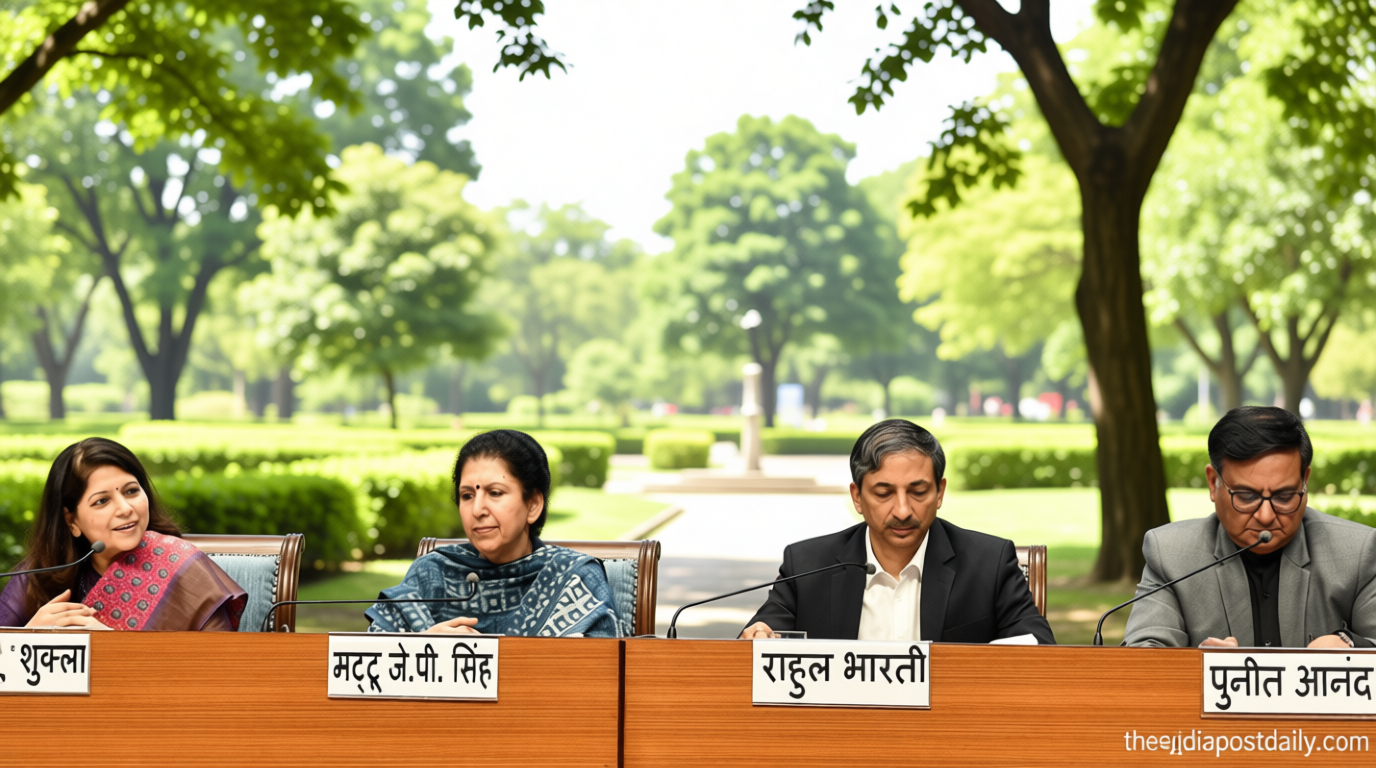
Maruti Suzuki Toyota India Execs Confirm E20 Petrol Safety for Vehicles
Theindiapostdaily.com – Maruti Suzuki Toyota India execs have reaffirmed the safety of E20 petrol, a 20% ethanol-blended fuel, for all vehicle types. Speaking at a recent industry event, the executives addressed concerns about potential wear and tear or corrosion caused by the fuel, emphasizing that its adoption poses no significant challenges. They highlighted that E20 has been thoroughly tested and is compatible with a broad spectrum of vehicles, including older models that predate the 2023 mandate. The focus keyword “Maruti Suzuki Toyota India execs” is central to this discussion, as the leaders from both companies have actively engaged in clarifying the fuel’s reliability.
E20 Compatibility and Testing
During the event, Rahul Bharti, a key Maruti Suzuki Toyota India exec, provided detailed insights into how E20 was tested across diverse vehicle types. He explained that E10 models, which were standard before the 2023 transition, were subjected to rigorous evaluations using E20 fuel to assess performance and longevity. “No issues were identified that could compromise vehicle durability or operational efficiency,” Bharti stated, underscoring the fuel’s compatibility with existing infrastructure. His comments align with the broader stance of Maruti Suzuki Toyota India execs, who argue that the transition to E20 is seamless for most users.
“E20’s properties have been validated through extensive trials, ensuring it meets the required standards for both two-wheelers and four-wheelers,” said Bharti, adding that the fuel’s blending process minimizes risks of corrosion or mechanical strain.
Vartika Shukla, a prominent Maruti Suzuki Toyota India exec, reiterated that the phased rollout of E20 was designed to ease the transition for all stakeholders. She noted that the 2030 roadmap for ethanol blending is backed by scientific research and industry collaboration. “This approach allows for real-world data collection while maintaining quality assurance,” Shukla explained, reinforcing the confidence of Maruti Suzuki Toyota India execs in the fuel’s long-term viability.
Environmental and Economic Benefits of E20
Maruti Suzuki Toyota India execs also outlined the environmental and economic advantages of E20 petrol. Vikram Gulati, Country Head of Toyota Kirloskar Motor, highlighted that ethanol, derived from plant-based sources, is a renewable resource that reduces carbon emissions. “E20’s adoption is a step toward energy independence and lower fuel costs,” he said, emphasizing its role in mitigating India’s reliance on imported crude oil. The Maruti Suzuki Toyota India execs argue that this shift not only supports sustainability goals but also strengthens the country’s energy security.
“The EBP initiative, launched in 2018, has been a collaborative effort between Maruti Suzuki Toyota India execs and industry partners to ensure quality and compatibility,” Gulati added, citing the program’s credibility in the market.
Furthermore, the Maruti Suzuki Toyota India execs mentioned that increased ethanol production would benefit farmers by creating a stable demand for agricultural feedstock. This, they said, aligns with national efforts to promote rural economies and green energy solutions. “E20’s implementation is a win-win for both the environment and the agricultural sector,” Shukla concluded, reinforcing the strategic vision of the executives involved in the transition.
Public Perception and Addressing Concerns
While Maruti Suzuki Toyota India execs have expressed confidence in E20’s safety, some consumers remain skeptical. To address these concerns, the executives invited industry experts and retired officials to share their perspectives. R Raman Chandran, a former BPCL executive, and Raj Kumar Dubey, a retired IGL official, were among the speakers who debunked myths about the fuel’s performance. Their insights helped clarify that the 10% reported drop in mileage for some users is minor and varies based on driving conditions, not a systemic flaw.
“Many drivers have used E20 for over a year without noticeable issues, proving its adaptability,” Chandran said, supporting the claims of Maruti Suzuki Toyota India execs. Dubey added that the transition is smoother than perceived, especially when vehicles are maintained properly.
These discussions underscore the proactive role of Maruti Suzuki Toyota India execs in bridging the gap between policy implementation and public acceptance. By engaging with experts and presenting data-driven arguments, they aim to build trust and encourage widespread adoption of E20 petrol. The execs also stressed that continued collaboration with stakeholders will be critical to overcoming challenges and maximizing benefits.
Future Plans and Industry Collaboration
Looking ahead, Maruti Suzuki Toyota India execs have outlined their commitment to supporting the E20 transition. They mentioned that further testing and research will be conducted to ensure long-term compatibility with all vehicle types, including those from other manufacturers. “The focus is on maintaining performance standards while reducing environmental impact,” Bharti said. This dedication to collaboration is a key theme in the discussions led by Maruti Suzuki Toyota India execs, who aim to work with policymakers and industry partners to refine the E20 program.
Additionally, the executives highlighted the importance of consumer education in promoting E20 adoption. “Many users are unaware of the fuel’s benefits, which is why we’re investing in outreach and awareness campaigns,” Gulati explained. By addressing misconceptions and providing clear information, Maruti Suzuki Toyota India execs hope to foster a more informed and supportive public opinion on the transition to ethanol-blended fuels.
As the 2030 roadmap for E20 progresses, the Maruti Suzuki Toyota India execs remain optimistic about its potential to transform India’s energy landscape. They see it as a strategic move that balances environmental responsibility with economic practicality. “E20 is not just a fuel alternative—it’s a step toward a sustainable future,” Shukla emphasized, reaffirming the collective confidence of the executives in the initiative’s success.