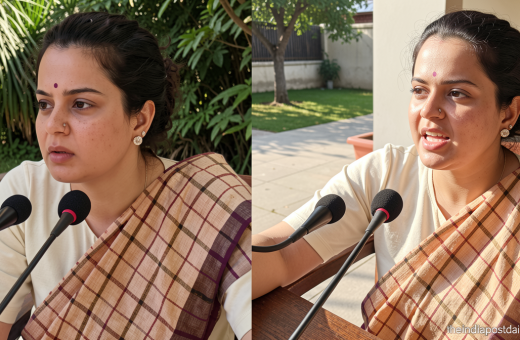
Delhi CM Rekha Gupta withdraws WFH, staggered office timings order as ‘geopolitical’ tensions in West Asia ease
Delhi CM Rekha Gupta Withdraws WFH Order Amid Regional Geopolitical Calm Policy Shift in Response to Stabilized International Tensions Theindiapostdaily.com – Delhi CM Rekha Gupta withdraws WFH directive as the…

Delhi CM Rekha Gupta Withdraws WFH Order Amid Regional Geopolitical Calm
Policy Shift in Response to Stabilized International Tensions
Theindiapostdaily.com – Delhi CM Rekha Gupta withdraws WFH directive as the state government reverses its earlier measures in response to eased geopolitical tensions in the Middle East. The decision comes after a period of heightened global instability that had prompted strict fuel-saving protocols. According to officials, the normalization of the geopolitical landscape has enabled the administration to scale back its emergency response, allowing for a return to regular office operations. The order, effective today, marks a significant adjustment in the work culture of Delhi’s public sector, balancing efficiency with sustainability goals.
The state government had previously imposed staggered office timings and a work-from-home policy to mitigate fuel demand during the US-Iran conflict. These measures were critical in reducing traffic congestion and conserving resources during the crisis. Now, with the Strait of Hormuz re-opening and oil shipments resuming, the administration has deemed the situation stable enough to lift these restrictions. Rekha Gupta’s withdrawal of the WFH order is seen as a strategic move to restore normalcy while maintaining the benefits of reduced energy consumption.
Historical Context and Impact of the Previous Measures
The decision to withdraw the WFH directive follows months of emergency protocols introduced in May to address the energy crisis. At that time, the government had imposed a two-day weekly remote work mandate and staggered office hours across departments. These changes were part of a broader initiative to cut down on fuel usage, particularly in response to the disruption caused by Middle East tensions. The policy also included a one-year freeze on foreign travel for officials and a call for citizens to participate in weekly “No Vehicle Day” events.
Delhi CM Rekha Gupta withdraws the staggered timings order, signaling a return to conventional work schedules. The move has been welcomed by employees and businesses, who had adapted to the new norms but now anticipate a more flexible approach. However, the continued implementation of staggered hours for certain departments underscores the government’s commitment to managing traffic and environmental impact. This hybrid strategy ensures that the benefits of reduced fuel consumption are maintained, even as the city gradually reverts to pre-crisis operational rhythms.
Strategic Considerations and Future Outlook
While the withdrawal of the WFH directive is a positive development, it is not a complete reversal of the state’s energy-saving measures. Rekha Gupta’s decision reflects a nuanced approach, where the government is cautiously reintegrating employees into regular office hours while retaining key elements of the previous policy. Officials emphasize that the staggered timings will remain in place to address long-term traffic management, ensuring that the city’s infrastructure can handle the return of full-time operations without causing a surge in congestion.
The state administration has also highlighted the role of public cooperation in sustaining the success of these initiatives. During the crisis, citizens were encouraged to adopt alternative commuting methods and support the “No Vehicle Day” program, which significantly reduced the strain on Delhi’s roads. As the policy adjustments take effect, there is an expectation that the city will continue to see positive outcomes in terms of environmental conservation and urban mobility. Delhi CM Rekha Gupta withdraws the directive, but the emphasis on sustainable practices remains a priority for the government.
Public and Industry Reactions to the Policy Change
The reversal of the WFH order has sparked mixed reactions from the public and private sector. While some employees have expressed relief at returning to in-person work, others remain cautious about the potential resurgence of traffic and air pollution. Business associations have praised the decision for restoring productivity, though they have called for clear guidelines on how to balance energy efficiency with economic activity. The government has reassured stakeholders that the transition will be managed smoothly, with phased implementation of the new schedules to minimize disruptions.
Delhi CM Rekha Gupta withdraws the directive, but the policy change is part of a larger narrative of adaptive governance. The administration has acknowledged the challenges posed by the Middle East tensions and the need for flexible strategies. Moving forward, the focus will be on monitoring the city’s energy consumption and traffic patterns to ensure that the lessons learned during the crisis are applied effectively. This approach aims to create a resilient framework that can respond to future geopolitical challenges without compromising operational efficiency.
Broader Implications for Urban Governance and Energy Policy
The withdrawal of the WFH order in Delhi highlights the interplay between geopolitical events and urban management. As the state government retracts emergency measures, it sets a precedent for how cities can adapt to global crises while maintaining their functional capacity. The decision also underscores the importance of balancing short-term responses with long-term sustainability goals. Rekha Gupta’s leadership in this regard has been praised for its pragmatic approach, combining immediate relief with strategic foresight.
With the easing of tensions in West Asia, Delhi CM Rekha Gupta withdraws the directive, but the policy shift is expected to influence other regions facing similar challenges. The success of Delhi’s staggered timings and remote work initiatives has provided a model for other cities to emulate. As the government transitions back to normal operations, it remains committed to reducing the city’s carbon footprint and promoting eco-friendly practices. This marks a pivotal moment in the evolution of urban energy policy, where adaptability and sustainability are key priorities.