Why is Mojtaba Khamenei skipping his father’s funeral? Iran supreme leader’s aide reveals
Mojtaba Khamenei Skips Father's Funeral: Iran Aide Reveals Reasons Theindiapostdaily.com – Mojtaba Khamenei, the son of Iran’s former Supreme Leader Ayatollah Seyyed Ali Khamenei, has not attended the state funeral…
Mojtaba Khamenei Skips Father’s Funeral: Iran Aide Reveals Reasons
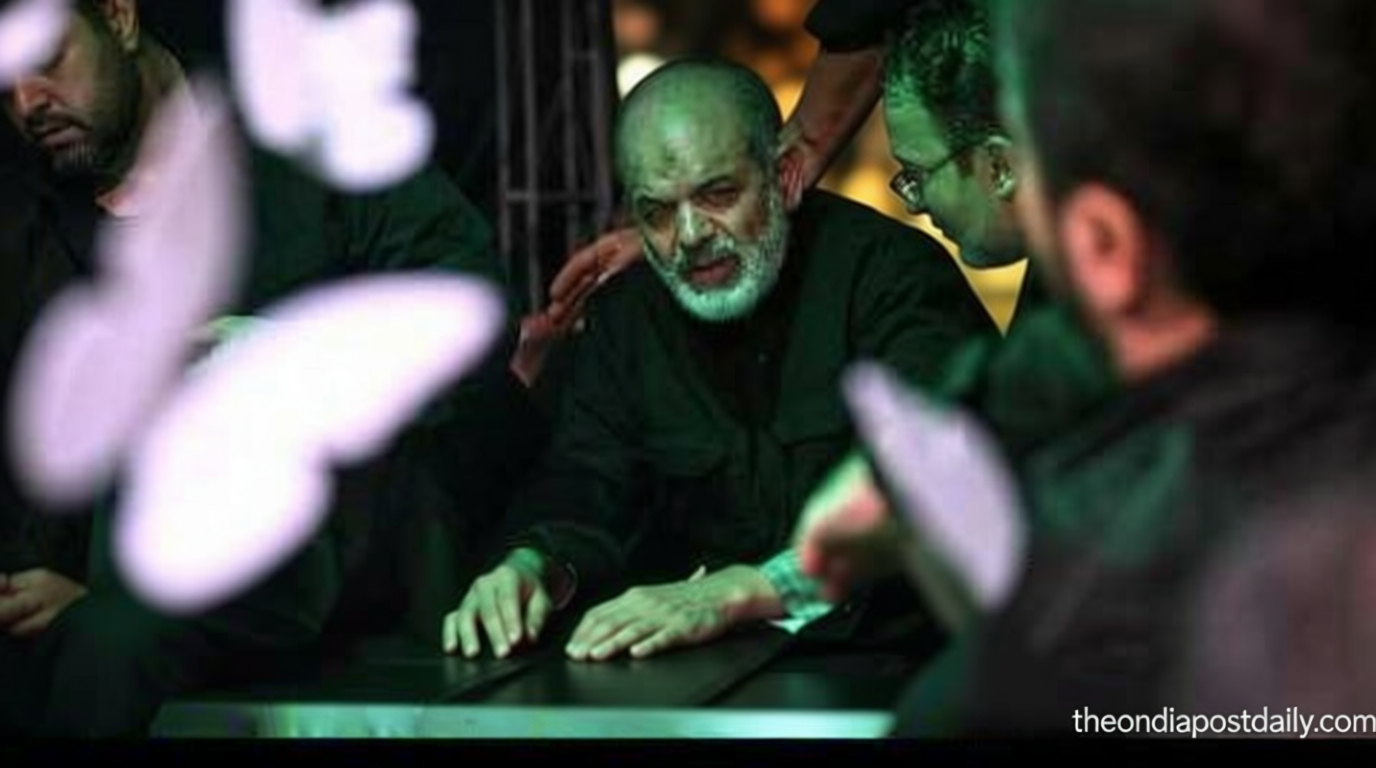
Theindiapostdaily.com – Mojtaba Khamenei, the son of Iran’s former Supreme Leader Ayatollah Seyyed Ali Khamenei, has not attended the state funeral for his father, raising questions about his absence. This decision, explained by Ayatollah Hakim Elahi, the current Supreme Leader’s representative in India, was driven by security concerns, as reported by ANI. Elahi stated that Mojtaba Khamenei’s absence is due to threats from Israel and the risk of being observed by foreign intelligence. Public engagements are considered hazardous in the current geopolitical climate.
Funeral Ceremonies and Regional Impact
The funeral of Ayatollah Seyyed Ali Khamenei, who was killed in an airstrike on February 28, is taking place from July 4 to July 9, with ceremonies spanning Iran and Iraq. This event is not only a personal mourning for the Khamenei family but also a significant moment for Iran’s political and religious circles. The late leader’s death has intensified the US-Israel conflict, positioning the funeral as a symbol of national resilience. Mojtaba Khamenei’s decision to skip the event has sparked speculation about internal dynamics within Iran’s leadership.
The funeral is expected to draw prominent figures from across the Middle East and beyond, highlighting Iran’s diplomatic ties. However, Mojtaba Khamenei’s absence has been noted, with some analysts suggesting it may reflect a strategic move to avoid drawing attention to his possible involvement in the airstrike that killed his father. His role as a key figure in Iran’s political landscape means his absence is not just a personal choice but also a point of interest for international observers.
International Reactions and Political Statements
While the funeral ceremonies proceed, the international community has been closely monitoring the situation. In a recent statement, Iran’s Foreign Minister Seyed Abbas Araghchi directed criticism toward the United States, emphasizing its role in enabling Israeli actions. Araghchi, speaking on X, warned that if the US fails to restrain Israel, Iran would respond with decisive force. This sentiment is echoed in the context of Mojtaba Khamenei’s absence, as it underscores the broader tension between Iran and its Western adversaries.
Why is Mojtaba Khamenei skipping his father’s funeral? The answer lies in the security threats he faces, according to Ayatollah Hakim Elahi. The aide highlighted that Israel’s targeted attacks on Iranian officials have created a climate of fear, with Mojtaba Khamenei seen as a potential high-value target. The decision to avoid the state ceremony is part of a broader strategy to minimize exposure during a critical period for Iran’s leadership.
Indian Diplomatic Engagement and Regional Ties
India has been an active participant in the mourning process, with several dignitaries expressing solidarity with Iran’s leadership. The Embassy of Iran in New Delhi shared a message on X, noting the tribute from Indian officials to Ayatollah Seyyed Ali Khamenei. Notably, Mehbooba Mufti, the president of the People’s Democratic Party (PDP), and Salman Khurshid, representing the Congress party’s foreign affairs division, have traveled to Tehran for the event. Their presence highlights the strong diplomatic and cultural ties between the two nations.
The Indian delegation, including State External Affairs Minister Pabitra Margherita and Bihar Governor Lt. Gen. (Retd.) Syed Ata Hasnain, has also departed for Iran. Their attendance underscores the importance of maintaining bilateral relations during times of political tension. Mojtaba Khamenei’s absence, while significant, does not detract from the diplomatic efforts being made to strengthen Iran-India partnerships, particularly in the context of regional security and economic cooperation.
Why is Mojtaba Khamenei skipping his father’s funeral? The implications extend beyond personal safety, reflecting the strategic considerations of Iran’s leadership. As a prominent figure in the country’s religious and political hierarchy, his decision to stay away from the ceremony could signal a shift in priorities. With the US-Israel conflict escalating, the Khamenei family’s focus may now be on consolidating power and navigating the challenges posed by external threats.
Regional Diplomatic Efforts and Future Prospects
Regional diplomatic efforts continue as Iran seeks to stabilize its position in the Middle East. Qatar and Pakistan, along with other neighboring countries, have engaged in discussions with US and Iranian representatives, aiming to build on the progress made under the 14-point Memorandum of Understanding (MoU). Majed Al Ansari, Qatar’s prime minister’s adviser, confirmed that these talks are ongoing, even as the funeral of Ayatollah