Supreme Court warns against unchecked AI use in legal process: ‘It’s a serious lapse if…’
Supreme Court Warns Against Unchecked AI Use in Legal Decisions Theindiapostdaily.com – The Supreme Court has issued a clear caution about the unchecked integration of artificial intelligence into the legal…
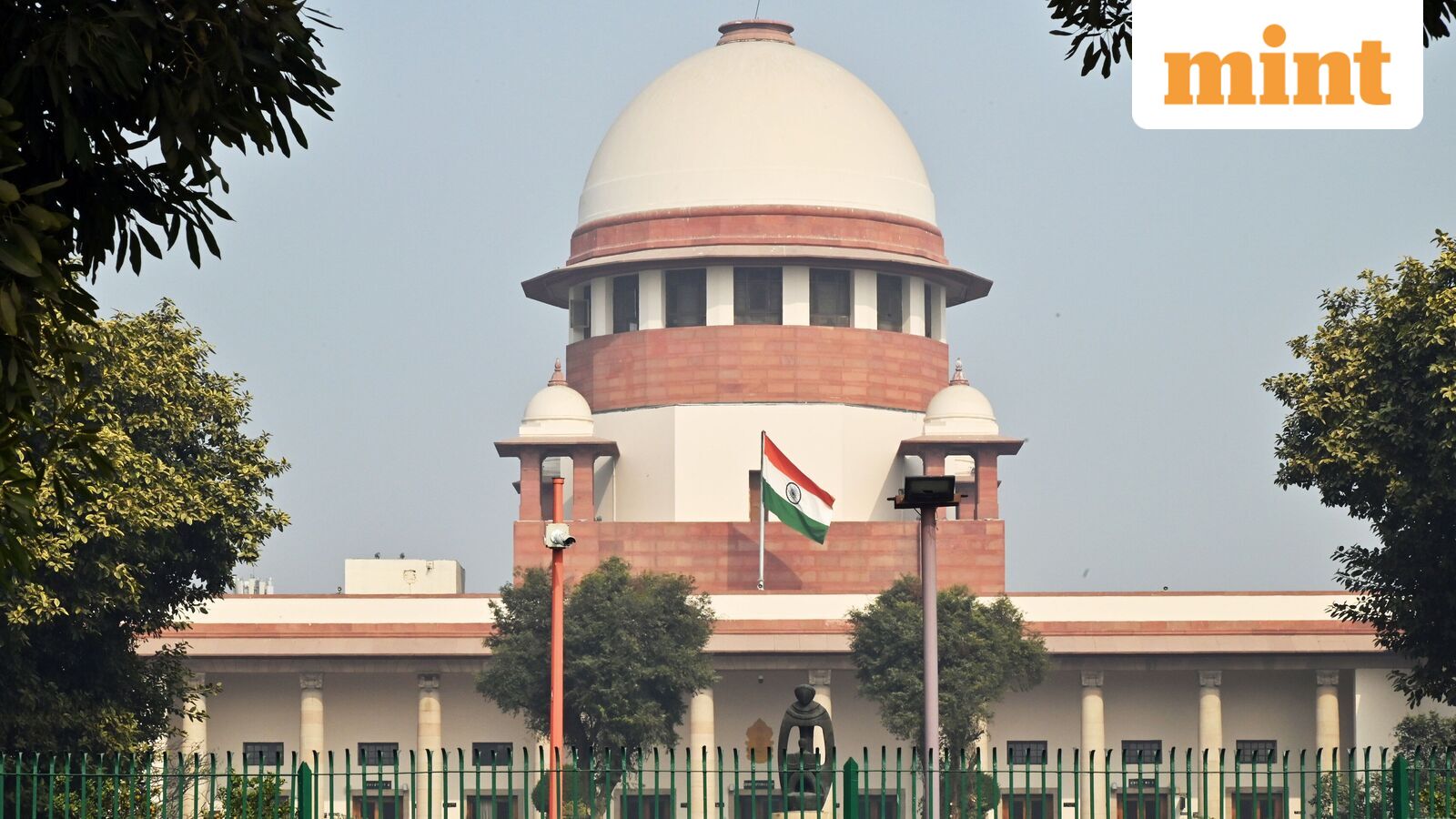
Supreme Court Warns Against Unchecked AI Use in Legal Decisions
Theindiapostdaily.com – The Supreme Court has issued a clear caution about the unchecked integration of artificial intelligence into the legal process, emphasizing that such reliance without due scrutiny could represent a critical flaw in judicial systems. In a recent ruling, the apex court expressed concerns over the potential risks of AI-generated precedents influencing legal outcomes without proper validation. This warning underscores the growing importance of ensuring technological tools like AI do not overshadow the foundational principles of justice and due process in India’s legal landscape.
Risk of AI-Generated Precedents in Insolvency Cases
The advisory came in the wake of a specific insolvency proceeding involving Jammu and Kashmir Bank Ltd. and Essel Infraprojects Ltd. (EIL), where AI was allegedly used to support legal arguments. Under Section 7 of the Insolvency and Bankruptcy Code, the National Company Law Tribunal (NCLT) in Mumbai accepted the insolvency application on August 28, 2024, citing a ₹87.43 crore default by EIL. The National Company Law Appellate Tribunal (NCLAT) later affirmed this decision on September 11, 2025. While the case itself is about corporate guarantees and credit facilities, the Supreme Court’s concern lies in the potential misuse of AI in generating precedents that could mislead future legal decisions.
Professional Misconduct and Judicial Lapse
Justice PS Narasimha and Justice Alok Aradhe highlighted that decisions derived from unverified AI precedents are legally invalid. They cautioned that advocates citing such judgments without verification are engaging in professional misconduct, while judges failing to validate AI outputs risk a serious judicial lapse. The court’s message was unequivocal: “It is necessary for Courts to adopt a zero-tolerance mode for producing, citing, or using AI-generated precedents without verification,” as noted in the Live Law report. This statement reflects the judiciary’s growing awareness of the need for accountability in the use of AI technologies.
“Imagine the hardship of a situation in which the Court must verify the authenticity of each judgment cited by an advocate,” the bench observed. “A decision based on fake or hallucinated material is no decision at all, and it amounts to subversion of the rule of law.”
The justices further stressed that even minor unverified AI influences could compromise the integrity of legal proceedings. They pointed out that if a single AI-generated fact is incorrect, the entire decision-making process could be invalidated, thereby undermining the trust placed in judicial rulings. This perspective highlights the critical role of human oversight in AI-assisted legal work, ensuring that technology serves as a tool rather than a substitute for judicial rigor.
The Need for Regulatory Oversight
In response to these concerns, the Supreme Court called for immediate regulatory measures to govern the use of AI in legal practice. It urged the Bar Council of India (BCI) to establish a committee tasked with evaluating how AI is applied in adjudication and legal research. The court emphasized that without such safeguards, the use of AI could lead to a breakdown in the legal system’s reliability. “We have no hesitation in declaring that such a decision is no decision at all,” the justices concluded, underscoring their belief that unchecked AI adoption could erode the very fabric of legal certainty.
As the legal community grapples with the implications of AI, the Supreme Court’s warning serves as a reminder of the balance needed between innovation and tradition. The court’s call for regulatory oversight aims to ensure that AI is used responsibly, with transparency and accuracy. This is especially crucial in a system where precedent plays a pivotal role in shaping future cases. The need for clarity and accountability is not just theoretical—it is a practical necessity to maintain the credibility of legal judgments.
Broader Implications for Legal Integrity
The ruling has sparked a broader conversation about the role of AI in legal processes across India. Legal professionals are now urged to adopt a more cautious approach when integrating AI into their work. The Supreme Court’s warning highlights the potential for AI to be misused, particularly when it comes to generating judgments or precedents without rigorous checks. For instance, if an AI system is trained on incomplete or biased data, it could produce misleading outcomes that affect not just the parties in a case but also the broader legal framework.
Experts agree that while AI can streamline legal tasks and improve efficiency, its unchecked use poses significant risks. The court’s emphasis on verifying AI outputs aligns with global trends, where legal systems are increasingly adopting measures to prevent technology from becoming a source of error. By setting a precedent for AI regulation, the Supreme Court aims to safeguard the sanctity of legal decisions, ensuring that they remain grounded in truth and logic. This proactive stance is essential as AI continues to evolve and permeate more aspects of the legal profession.