No govt hospital in Kerala will be privatized, says state health minister
No Government Hospital in Kerala Will Be Privatized, Says State Health Minister Theindiapostdaily.com – Kerala, known for its robust public healthcare system and commitment to universal access, has seen a…

No Government Hospital in Kerala Will Be Privatized, Says State Health Minister
Theindiapostdaily.com – Kerala, known for its robust public healthcare system and commitment to universal access, has seen a renewed emphasis on preserving state control over medical facilities. In a recent statement, Kerala’s Health Minister, K Muraleedharan, clarified that **no govt hospital in Kerala** will be privatized under his leadership. The minister’s assurance came amid growing debates about the role of private entities in healthcare, particularly following the recent nurses’ strike that highlighted disparities in working conditions and compensation. By reaffirming the government’s dedication to public healthcare, Muraleedharan aims to reassure both citizens and medical professionals about the state’s long-term plans for healthcare infrastructure.
Government’s Stance on Privatization and Public Healthcare
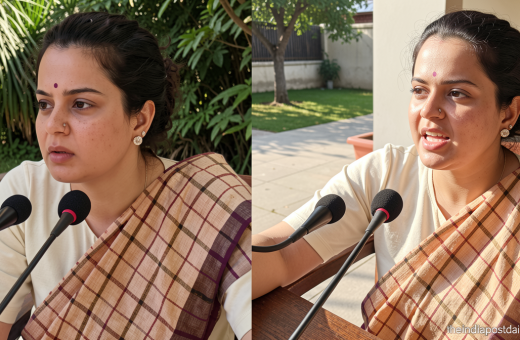
During a press briefing in Thiruvananthapuram, Muraleedharan emphasized that the state government would not cede control of its healthcare institutions to private operators. He argued that public hospitals are vital for ensuring equitable treatment and affordability for all segments of society, especially in a state where healthcare has historically been a cornerstone of public policy. The minister also pointed out that while private healthcare plays a role in supplementing services, the core responsibility of providing accessible care must remain with the state. This sentiment aligns with Kerala’s broader vision of healthcare as a public good, not a commodity for profit.
The decision to retain public ownership of hospitals follows the recent nurses’ strike at two private institutions in Thrissur, which sparked nationwide discussions. Muraleedharan acknowledged the challenges faced by healthcare workers, including inadequate salaries and poor working conditions, but stressed that these issues are being addressed within the framework of public healthcare. He noted that private hospital administrators had pledged to adjust nurse wages once the Minimum Wages Act comes into effect, though the implementation has been delayed due to objections raised during the public consultation phase. The minister has called for a temporary ₹4,000 salary increase for nurses, but administrators have yet to commit. Further discussions are ongoing to find a resolution that balances the needs of staff and the financial viability of private hospitals.
Impact of the Nurses’ Strike on Public Healthcare Discourse
The nurses’ strike, which began in response to wage disputes and demands for better working conditions, has brought to light the broader tensions between public and private healthcare sectors in Kerala. While the strike primarily affected two private hospitals, it also raised questions about the sustainability of public healthcare services and the potential risks of privatization. Muraleedharan, in his address, reiterated that the government’s focus remains on maintaining public hospitals as essential institutions for community health. He highlighted that Kerala’s public healthcare network, which includes over 1,000 facilities, is designed to serve all citizens without the profit-driven motives often associated with private providers.
Public sentiment in Kerala has largely supported the minister’s position, with many citizens expressing concern over the rising costs of private healthcare and the potential marginalization of underserved communities. The strike has also prompted calls for a review of private hospital management practices, as well as discussions on how to improve working conditions across all healthcare sectors. Muraleedharan emphasized the importance of dialogue between the government and private stakeholders, stating that while privatization is not off the table, it will only occur if it aligns with the state’s goals of accessibility, quality, and affordability. He also mentioned that the state is exploring ways to enhance the efficiency of public hospitals while ensuring they remain financially sustainable.
Strategies to Strengthen Public Healthcare in Kerala
As part of his plan to reinforce public healthcare, Muraleedharan outlined several initiatives aimed at improving infrastructure and staffing. These include increasing the budget allocation for healthcare, expanding the training of medical professionals, and modernizing public hospitals to meet contemporary standards. The minister also mentioned the possibility of introducing incentive programs to attract skilled personnel to state-run facilities, ensuring that the quality of care remains consistent. By investing in public healthcare, the government aims to reduce the burden on private institutions and create a more balanced healthcare ecosystem in the state.
In addition to addressing the immediate concerns raised by the nurses’ strike, the minister highlighted the importance of long-term planning in healthcare policy. He stressed that the government would continue to prioritize public hospitals as a means of ensuring that healthcare services are accessible to all, regardless of income level. Muraleedharan also noted the need for collaboration with private entities to improve efficiency and innovation, but emphasized that such partnerships would not compromise the public’s right to affordable care. The minister’s commitment to **no govt hospital in Kerala** being privatized reflects a broader political and social movement in the state to safeguard public healthcare as a fundamental right.