Trump won’t rule out compensating Jan. 6 Capitol rioters charged with assaulting police
Trump to Compensate Jan. 6 Capitol Rioters Proposed Financial Support for Attackers Theindiapostdaily.com – Former President Donald Trump has not ruled out compensating individuals linked to the January 6 Capitol…
Trump to Compensate Jan. 6 Capitol Rioters
Proposed Financial Support for Attackers
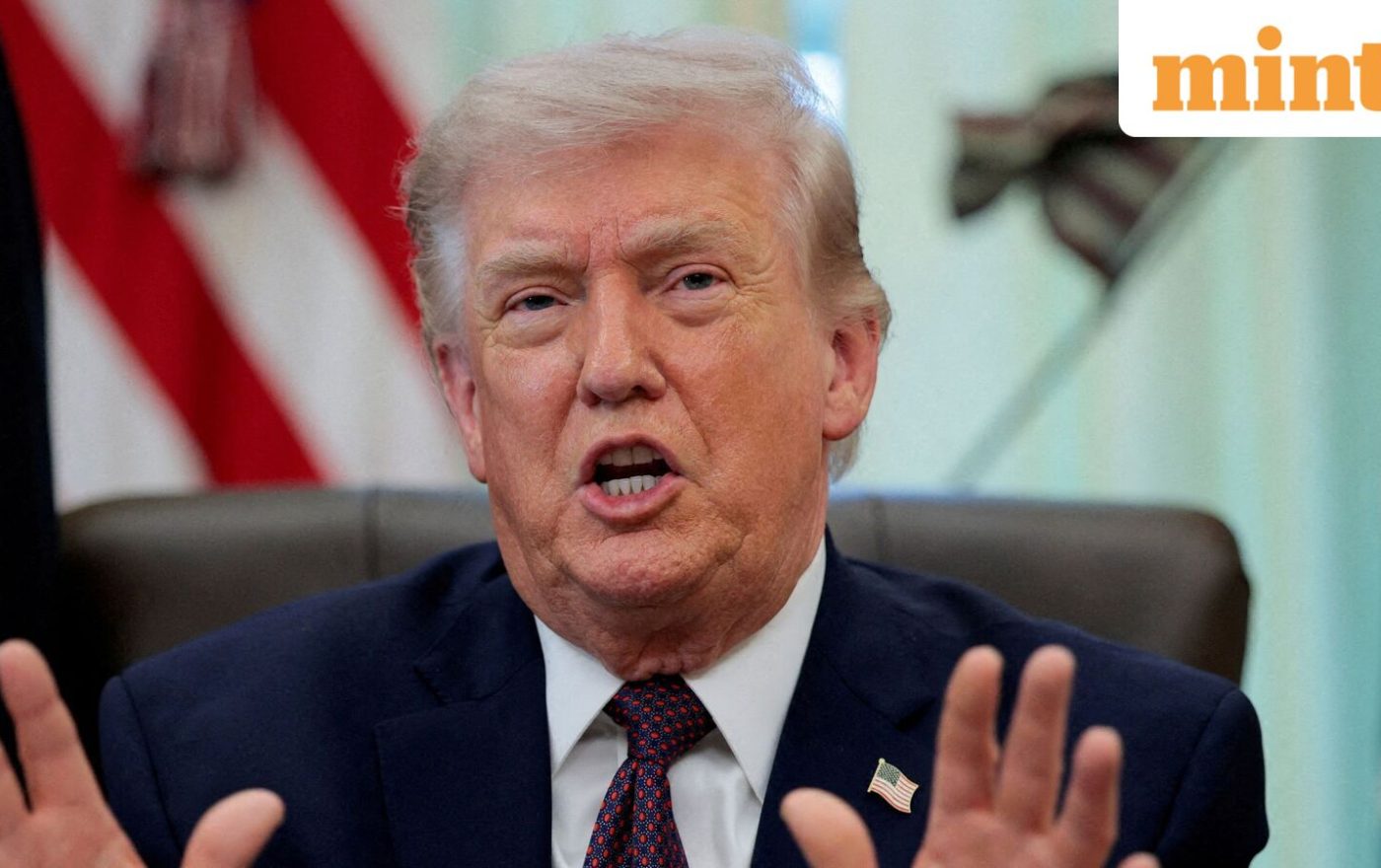
Theindiapostdaily.com – Former President Donald Trump has not ruled out compensating individuals linked to the January 6 Capitol riot, including those charged with assaulting law enforcement. In a recent interview with NBC News, he endorsed a “compensation fund” that would provide financial aid to supporters of his administration who were targeted during the post-riot investigations. Trump argued that the initiative would address the disproportionate consequences faced by those who participated in the attack, emphasizing that the government should not penalize them excessively for their actions.
“Well, look. If it was up to me, I’d pay them the kind of money that they deserve,” Trump said, framing the idea as a way to counter politically motivated legal actions. He pointed to the Mar-a-Lago investigation and the broader probe into the Capitol breach as examples of how the Biden administration has “weaponized” the justice system against his base.
Trump’s proposal gained traction as part of his ongoing defense of the rioters, whom he described as “thugs” and “dirty cops” in a separate comment. He highlighted the emotional and financial toll on families of those arrested, suggesting that compensation would help mend the damage caused by the government’s “radical left lunatics.”
Legal and Political Uncertainties
The compensation fund’s viability remains uncertain, with the Trump administration facing legal hurdles in its implementation. A federal judge temporarily blocked the creation of the fund, which was initially tied to a settlement in the president’s tax return case. However, the administration has since shifted its focus, and Acting Attorney General Todd Blanche confirmed that the initiative is “not moving forward with the fund, period.”
Despite this, Trump showed openness to revisiting the plan when asked about its status. “I’ll have to ask the lawyers. I don’t know,” he admitted, revealing that the idea had not been completely dismissed. This ambiguity has sparked debate among legal analysts, who question whether the administration can realistically revive the fund without significant legislative backing.
Broader Context of the Capitol Attack
The January 6 assault on the U.S. Capitol involved over 1,600 individuals charged with various offenses, including assaulting police officers and inciting violence. More than 1,100 of these defendants had already received sentences by the end of Biden’s first term, many facing prison time for their roles in the attack. Trump’s push for compensation aims to shift the narrative from criminal punishment to support for those targeted by what he calls a “political vendetta.”
He argued that the rioters were not “the worst people” but rather “people who were attacked” by a system he believes has become overly aggressive toward his supporters. “They pled guilty because they were frightened,” Trump said, suggesting that some defendants were coerced into admitting guilt to avoid harsher penalties. This claim has fueled discussions about the fairness of the legal process in the wake of the Capitol riot.
Historical Precedent and Future Implications
Trump’s interest in compensating rioters aligns with his previous clemency actions during his first term. He granted pardons or commutations to nearly 1,500 individuals connected to the Capitol attack, including those convicted of assaulting police officers. This move was part of his strategy to unify his base and distance them from the legal consequences of their actions.
While the compensation fund is distinct from clemency, it shares the same goal of mitigating the fallout from the January 6 events. Trump’s proposal has drawn mixed reactions, with some supporters praising his efforts to protect allies and critics arguing that it could undermine accountability for the violence that disrupted the democratic process. The plan’s success would depend on congressional approval and the administration’s ability to navigate ongoing legal challenges.
Public and Political Reactions
Trump’s remarks have resonated with his base, who view the compensation plan as a necessary measure to support those wrongfully targeted. However, opponents of the initiative, including Democrats and some legal experts, have raised concerns about its implications. They argue that offering financial aid to rioters could send a message that violence against government institutions is justified, potentially eroding public trust in the justice system.
Despite these criticisms, Trump has maintained that the compensation fund would help “restore lives” and “protect people” from the fallout of politically driven prosecutions. His comments underscore a broader strategy to frame the Capitol riot as a battle between his supporters and a “radical left” establishment, which he claims has weaponized the law to attack his administration’s allies. This narrative continues to shape the political discourse around the event’s legacy.