Mumbai rain warning: IMD issues ‘orange’ alert — Ratnagiri, Raigad, Thane & more to get very heavy downpour
The India Meteorological Department (IMD) has issued a rain warning for
Mumbai Rain Warning: IMD Issues Orange Alert for Heavy Downpours
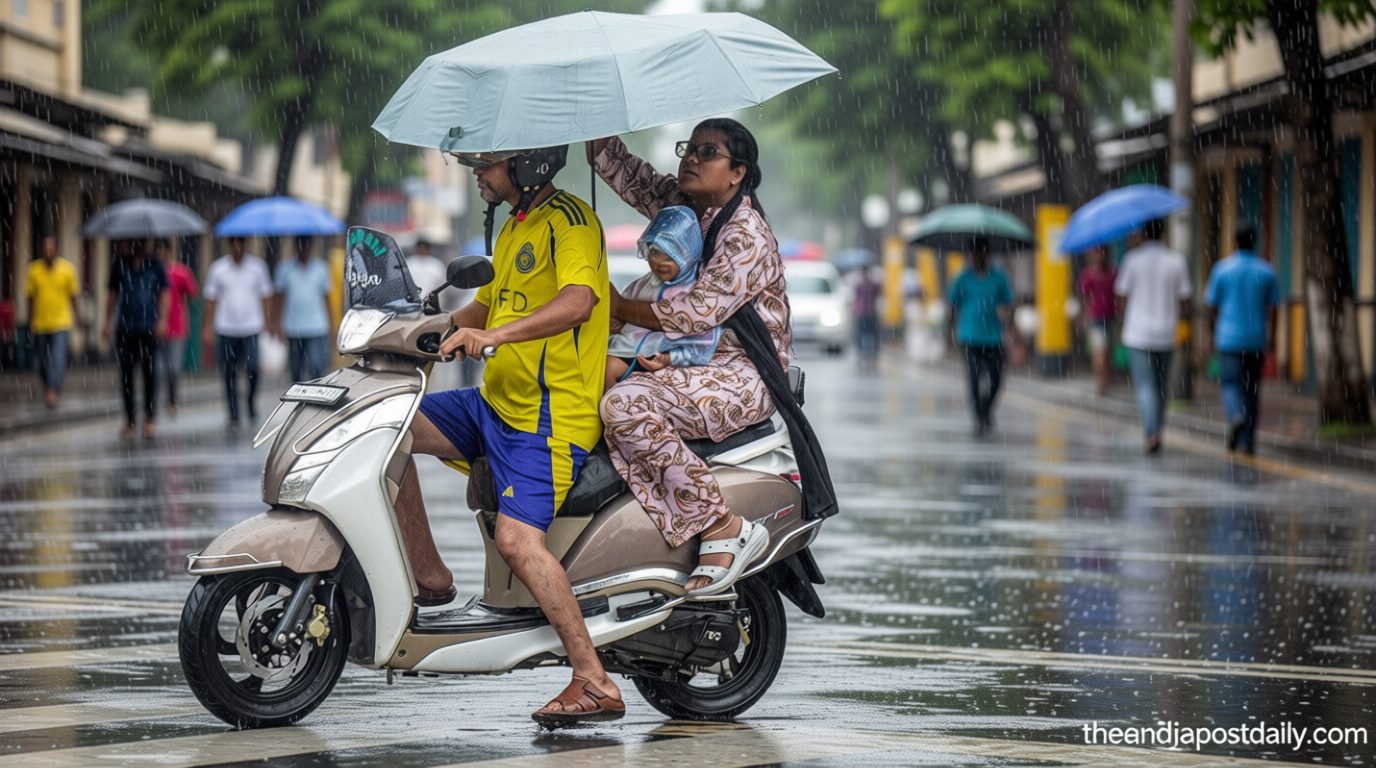
Theindiapostdaily.com – The India Meteorological Department (IMD) has issued a rain warning for Mumbai, marking it under an orange alert as the city braces for heavy to very heavy rainfall over the next few days. This alert is part of the IMD’s broader weather forecasting efforts to prepare communities for the monsoon season. Areas such as Thane, Ratnagiri, Raigad, and others are expected to experience intense downpours, with some regions potentially seeing even more severe conditions. The alert signals a higher risk of flooding, disruption to daily activities, and increased chances of landslides in hilly areas. With the monsoon season approaching, the warning serves as a critical heads-up for residents and local authorities to take proactive measures.
Monsoon Forecast and Regional Impact
According to the IMD’s latest update, the orange alert applies to Mumbai and surrounding regions, including Thane, which will remain under the warning from Wednesday to Friday. A red alert is also in effect for Saturday, indicating a heightened probability of extreme weather events. The warning is based on meteorological data that suggests the monsoon system is likely to bring significant precipitation, especially in coastal districts like Ratnagiri, where the rainfall could be even more intense. Palghar, another key district along the Konkan coast, is anticipated to face similar conditions starting Thursday, with Raigad also under a red alert from Thursday through Friday.
El Niño and Rainfall Trends
The IMD’s revised forecast for the south-west monsoon in 2026 highlights the influence of El Niño conditions on the weather pattern. After initially predicting 92% of the long-period average (LPA), the department adjusted its estimate to 90%, citing the impact of this climate phenomenon. The LPA for the June-September monsoon season is set at 87cm, and the country experienced below-normal rainfall last year, with monsoon rains reaching 95% of the LPA. This trend of reduced precipitation has raised concerns about water scarcity and agricultural challenges, making the current Mumbai rain warning a crucial update for the region.
July 2026 is expected to see continued below-normal rainfall, which is less than 94% of the LPA. This follows a record-dry June, the driest in over a decade, with south-west monsoon rainfall at 39.8% below the average. The IMD’s monthly outlook emphasizes the need for vigilance in areas where rainfall is likely to remain lower than usual, while certain regions in the North-West, North-East, and East-Central India may experience normal or above-normal precipitation. These variations underscore the importance of localized forecasts, especially in the context of Mumbai rain warnings, which are tailored to the city’s unique topography and climate.
Delhi Weather and Regional Weather Patterns
While Mumbai is in the spotlight for its heavy rainfall, Delhi is also experiencing a cloudy day with intermittent moderate rain on Wednesday. The IMD has issued a yellow alert for strong surface winds later in the day, prompting officials to advise citizens to take precautions during the afternoon and evening. Though the weather in Delhi is milder compared to Mumbai, the city’s air quality remains in the moderate category, according to the Met Department. The contrast between Mumbai’s intense downpours and Delhi’s more subdued conditions highlights the diverse weather challenges faced by different regions in India during the monsoon season.
“The weather is expected to stay pleasant due to rain, but Delhi’s air quality remains in the moderate category on Wednesday morning,” the Met Department stated. This statement reflects the dual nature of monsoon weather, which can bring relief through rainfall but also affect air quality and urban infrastructure. The Mumbai rain warning, in contrast, focuses on the potential for extreme precipitation, emphasizing the need for flood preparedness and emergency planning in coastal cities.
Implications for Urban and Rural Areas
The Mumbai rain warning has significant implications for both urban and rural areas, particularly those in low-lying regions or near water bodies. Heavy downpours could lead to waterlogging, which may disrupt transportation and communication networks. Additionally, the risk of landslides in the Western Ghats and other hilly areas increases, threatening infrastructure and livelihoods. The IMD’s warning system is designed to provide timely information, enabling local authorities to deploy resources effectively and minimize the impact of severe weather. For instance, the orange alert in Mumbai allows for early preparation, such as evacuating vulnerable areas and reinforcing drainage systems.