VB-G RAM G Act to come into force on July 1: Check revised state-wise rates under rural employment guarantee scheme
The VB-G RAM G Act, a cornerstone of India’s rural employment
VB-G RAM G Act Launches on July 1: State-Wise Wage Revisions Announced
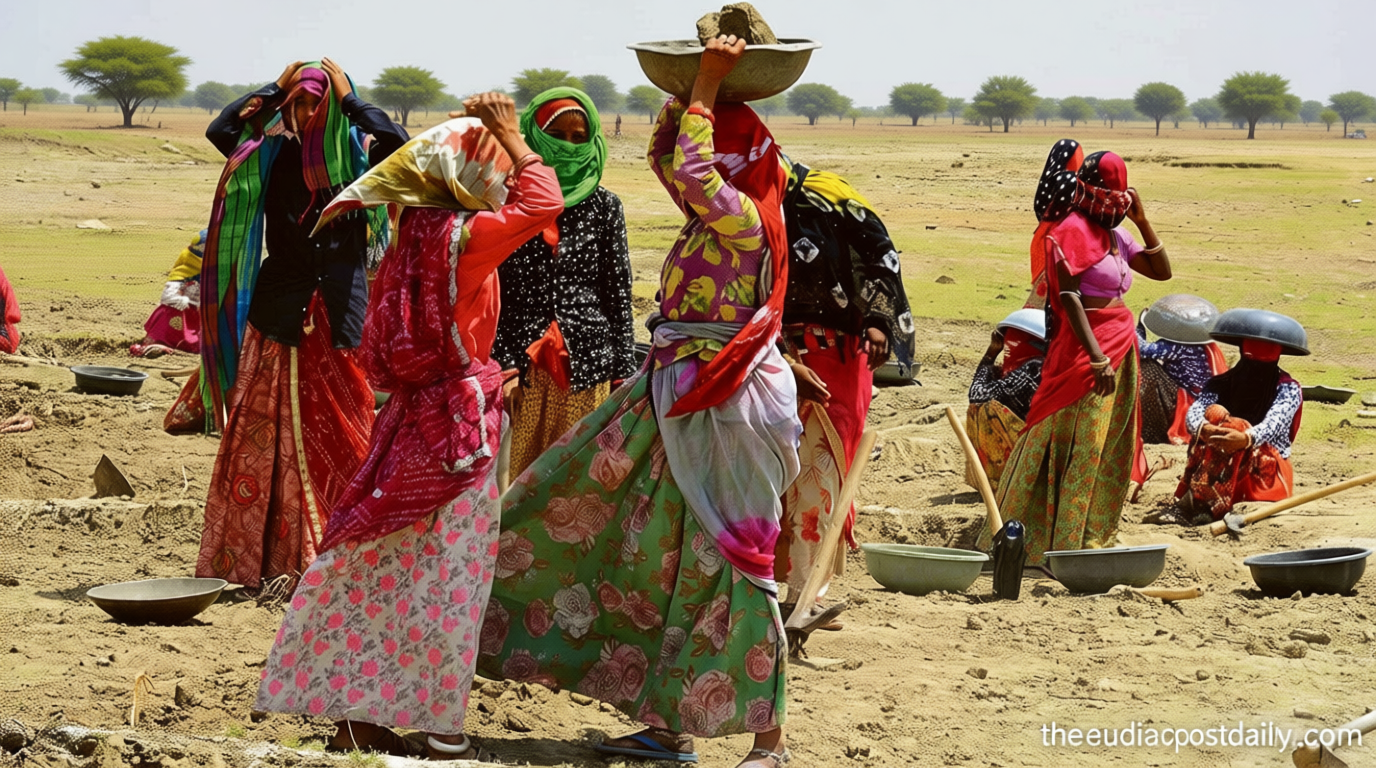
Theindiapostdaily.com – The VB-G RAM G Act, a cornerstone of India’s rural employment reforms, is set to commence on July 1, 2025, as the central government unveils revised wage rates for the restructured rural employment guarantee scheme. This legislative shift aims to modernize the existing MGNREGA framework, which has long provided 125 days of wage employment annually to rural families, by introducing a more equitable and regionally tailored approach. The new act, officially named the Viksit Bharat Guarantee for Rozgar and Ajeevika Mission (Gramin) Act, 2025, marks a pivotal step toward enhancing livelihoods across the country.
Key Revisions and Wage Adjustments
Central to the VB-G RAM G Act is the recalibration of wage rates, which have been adjusted to better reflect the cost of living and regional economic disparities. The national average daily wage has been raised from ₹298.8 under MGNREGA to ₹327.4, a notable increase of ₹28.6 per day. This adjustment aligns with the government’s goal of improving the standard of living for rural workers, who have historically faced lower incomes compared to urban laborers. The revised rates are structured across 34 states, Union Territories, and wage zones, with an overall national increase exceeding 10%.
Under the new scheme, an interim base wage of ₹300 per day has been introduced to ensure consistency and fairness. This measure guarantees that even the lowest-paid states will not fall below this threshold, providing a safety net for vulnerable workers. States like Uttar Pradesh, Bihar, Jharkhand, West Bengal, and Assam will see wage hikes ranging from 15% to 25%, while Arunachal Pradesh and Nagaland will implement the most significant increases, nearly 24.5%, to address historical wage gaps. These changes reflect a nuanced understanding of regional economic conditions and labor market demands.
Implementation and Financial Support
The VB-G RAM G Act is designed to streamline the implementation of rural employment programs, ensuring both transparency and efficiency. To support this transition, the Ministry of Rural Development has allocated an interim budget of ₹95,692.31 crore to states and Union Territories, enabling them to adapt to the new wage structure without disruption. This financial cushion will facilitate timely payments and uninterrupted project execution, which is critical for maintaining worker morale and program credibility.
States such as Haryana, Goa, Kerala, and Sikkim’s high-altitude gram panchayats will now receive wages set at ₹409, ₹406, ₹401, and ₹450 respectively. These figures underscore the act’s focus on uplifting economically disadvantaged regions, where wages have traditionally lagged behind the national average. The implementation strategy also emphasizes collaboration between the central government and state administrations, with a strong emphasis on decentralized governance through gram panchayats. Local bodies will continue to play a central role in managing projects, from water conservation to agriculture, ensuring community-specific needs are met.
“The VB-G RAM G Act is a transformative policy that addresses the evolving challenges of rural employment,” said Union Rural Development Minister Shivraj Singh Chouhan. “This initiative is part of our broader Viksit Bharat vision, which seeks to create sustainable livelihoods and empower marginalized communities.”
Rollout and State Participation
The national launch of the VB-G RAM G Act will take place on July 2 in Mukkavaripalli Village, Obulavaripalle Mandal, Tirupati district, Andhra Pradesh, with Union Minister Chouhan and Andhra Pradesh Chief Minister N Chandrababu Naidu presiding. The event will highlight the act’s implementation in a model village, symbolizing its commitment to grassroots-level development. Existing e-KYC-verified job cards will remain valid until new Gramin Rozgar Guarantee Cards are issued, ensuring a smooth transition for beneficiaries.
As of now, 29 states and Union Territories have allocated budgets for the VB-G RAM G Act, while 24 have formally notified their state-specific schemes. This phased rollout allows for region-specific adaptations, ensuring the program remains flexible to local needs. The act also introduces performance-based incentives for states that meet employment targets, fostering a competitive environment to drive effectiveness. With the VB-G RAM G Act now in effect, the focus shifts toward long-term sustainability and inclusivity in rural development.
Broader Implications and Future Outlook
The VB-G RAM G Act’s revision of wage rates and its emphasis on decentralized governance signal a shift from a one-size-fits-all approach to rural employment. By incorporating regional wage zones and allowing states to customize their implementation strategies, the policy aims to address local economic variations and ensure fair compensation. This adaptability is crucial for maintaining the program’s relevance in diverse geographies, from high-altitude areas in Sikkim to remote regions in Northeast India.
Experts suggest that the act’s success will depend on its ability to sustain funding, monitor wage compliance, and empower gram panchayats with adequate resources. The VB-G RAM G Act also prioritizes women’s empowerment, allocating specific funds for initiatives that promote female participation in rural jobs. As the program gains momentum, its impact on reducing unemployment and poverty in rural areas will be closely watched, with the potential to set a new standard for employment guarantee schemes globally.