Trump administration used secret $500m no-bid contract for White House ballroom project
Trump Administration Secretly Awards $500M No-Bid Contract for White House Ballroom Trump administration used secret 500m no bid - The Trump administration’s
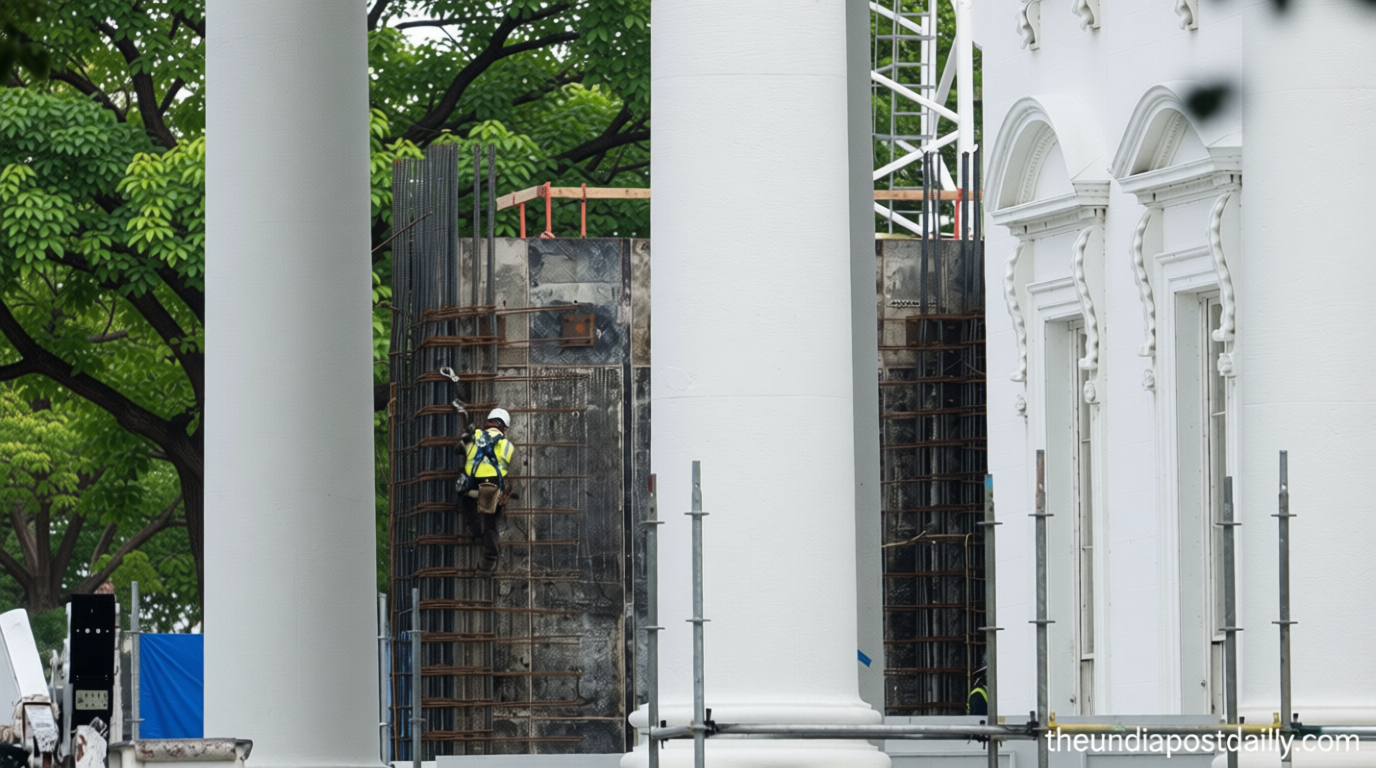
Trump Administration Secretly Awards $500M No-Bid Contract for White House Ballroom
Theindiapostdaily.com – The Trump administration’s decision to award a $500 million no-bid contract for the White House ballroom project has sparked significant controversy, with critics calling it a prime example of executive secrecy and lack of transparency in federal procurement. According to investigative reports by The Washington Post, the contract was approved without public bidding, bypassing standard procedures that ensure competition and accountability. This move has raised questions about the oversight of taxpayer funds and the role of the Executive Residence in managing high-cost projects. The focus keyword, “Trump administration used secret 500m,” underscores the central issue of how the project was funded and approved behind closed doors.
Exempt Office Facilitated the Deal
The White House ballroom contract was processed through the Executive Residence, a division within the Executive Office of the President that operates with limited oversight. This unit is legally exempt from many federal procurement rules, including the requirement for competitive bidding, which typically applies to most government agencies. While the Executive Residence is responsible for managing the upkeep and events at the presidential estate, its unique status has allowed it to fast-track projects without the same level of public scrutiny. The exemption, which dates back to 1974, grants the president broad authority to direct spending on the White House complex.
“The Trump administration’s use of the Executive Residence’s exemption highlights a pattern of bypassing standard contracting procedures,” remarked a former federal procurement analyst. “This project’s scale demands transparency, yet it was handled as a secret transaction.”
Cost Increases and Profit Margins
Internal documents obtained by The Washington Post reveal that the White House ballroom project’s budget has undergone dramatic revisions since its initial proposal. Originally estimated at $200 million in July 2025, the final contract ballooned to over $600 million by March, according to records reviewed by the investigative team. This increase has drawn attention to the potential for cost overruns and the profit margins granted to the contractor, Clark Construction, based in McLean, Virginia. The company would receive approximately $65 million through a combination of labor, overhead, and profit, with a 3% profit margin noted for its first phase of work. Such figures have fueled concerns about the financial efficiency of the project and its impact on public spending.
Trump’s Claims and Legal Hurdles
President Trump has consistently defended the ballroom project, claiming it would be funded by private donations and that the contractor, Clark Construction, offered to handle it “for nothing.” However, internal projections contradict this, showing that the company would still generate substantial profits. The administration’s arguments have been challenged by legal experts and watchdog groups, who emphasize the need for competitive bidding to prevent favoritism and ensure cost-effectiveness. Additionally, the project faces legal hurdles as a federal judge recently ruled that the president lacked authority to modify the White House complex without further congressional approval, prompting a potential legal battle over its validity.
“While the president has the executive power to direct the White House, this contract’s size and scope justify a more rigorous review process,” stated a legal scholar specializing in federal procurement. “The lack of transparency risks undermining public trust in the administration’s financial decisions.”
Public Reaction and Policy Implications
The revelation of the $500 million no-bid contract has ignited debate among policymakers and the public. Critics argue that the Trump administration’s approach sets a dangerous precedent for future projects, potentially enabling unchecked spending and reducing accountability. Meanwhile, supporters of the initiative claim it was necessary to expedite the construction of a facility that would host high-profile events and boost the administration’s image. The project also raises broader questions about the balance between executive authority and legislative oversight, particularly in an era of tight budget constraints and heightened scrutiny of federal expenditures.
As the legal challenges unfold, the administration has vowed to defend its decision, citing the urgency of the project and the President’s constitutional rights to direct spending. The White House’s appeal to the federal judge highlights its commitment to the plan, even as the costs and secrecy of the contract continue to dominate headlines. This episode not only shines a light on the Trump administration’s use of “secret 500m” contracts but also underscores the need for clearer guidelines to prevent similar practices in the future.