Large parts of the US to be impacted by a dangerous heatwave, says NWS; advises citizens to limit time outdoors
A major heatwave is expected to impact large parts of the US this week, with the National Weather Service (NWS) issuing
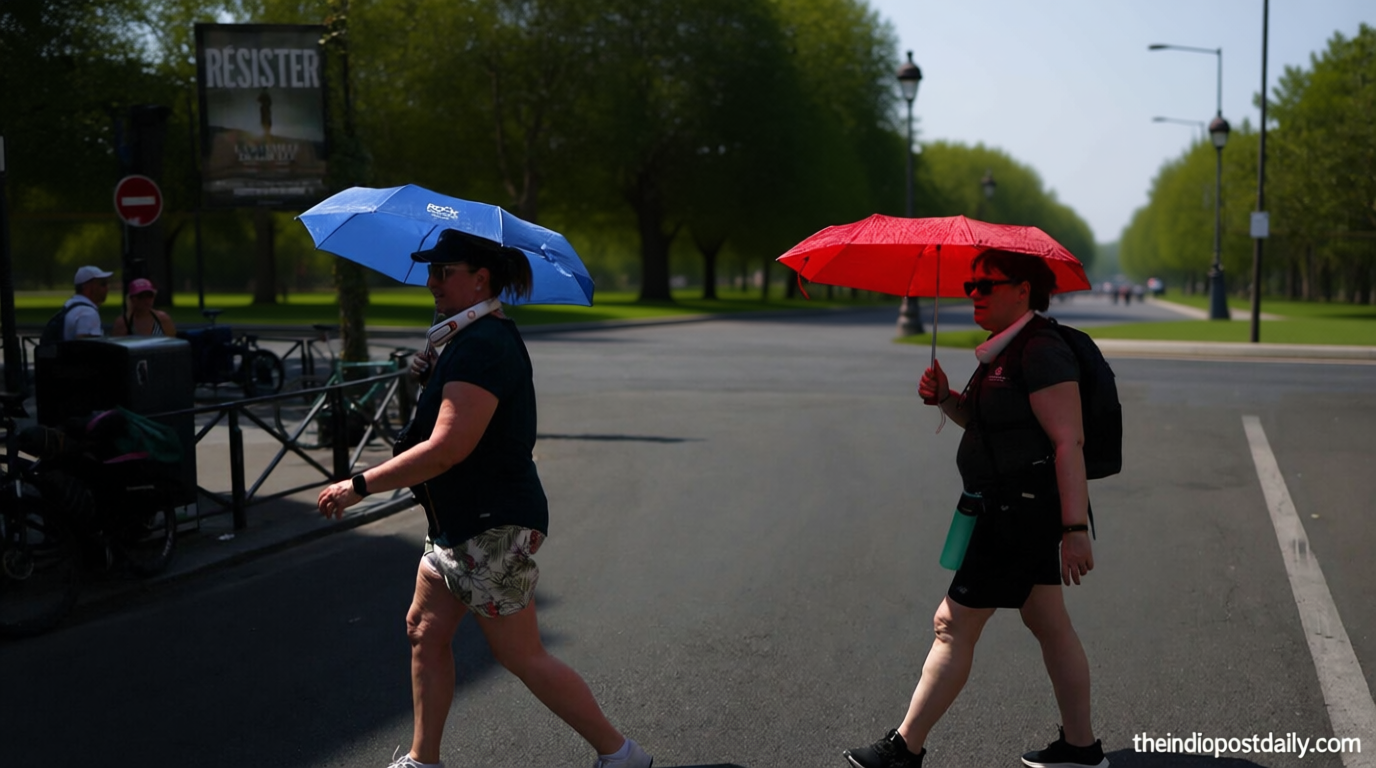
NWS Warns: Large Parts of the US Face Dangerous Heatwave
Theindiapostdaily.com – A major heatwave is expected to impact large parts of the US this week, with the National Weather Service (NWS) issuing urgent advisories ahead of the 4 July holiday. The warning, released on 28 June, highlights that temperatures will soar to dangerous levels, particularly in regions where humidity will intensify the heat, according to NPR. This extreme weather pattern is projected to cover the central and eastern portions of the nation, creating hazardous conditions for millions of residents. The NWS emphasized that the heatwave’s severity could lead to significant health risks, urging people to take proactive measures to stay safe.
Regions Most Vulnerable to the Heatwave
Large parts of the US, including Ohio, North Carolina, and Washington, DC, are under heightened risk due to the combination of extreme heat and high humidity. CBS News reported that the heatwave will affect the lower Great Lakes, mid-Atlantic, and Mississippi and Ohio River valleys, where cities like New York, Philadelphia, and Baltimore are anticipated to experience record-breaking temperatures. Midwestern urban centers, such as Chicago, St. Louis, and Detroit, will also see prolonged periods of intense heat. Southern regions, including Dallas, Little Rock, Arkansas, and Memphis, Tennessee, are expected to face similarly sweltering conditions, with heat indices pushing beyond 110°F (43°C) in many areas.
According to the NWS, the heatwave will persist through the weekend, with the potential to affect the Great Plains, Southeast, and Mid-Atlantic regions. Temperatures are forecasted to climb into the upper 90s and low 100s°F (mid- to high-30s Celsius), while humidity will cause the heat index to reach between 100°F and 110°F (40°C to 43°C). Some areas may even exceed 115°F (46°C), leaving overnight lows in the 70s°F (21°C to 26°C) as little relief. This prolonged exposure could strain healthcare systems and increase the likelihood of heat-related illnesses, especially among vulnerable populations.
Public Health Concerns and Safety Tips
The NWS has advised citizens to limit time outdoors and stay hydrated during peak heat hours.
“With high humidity, heat indices may reach 100-110 degrees,”
the service stated. This warning comes as the Centers for Disease Control and Prevention (CDC) notes that symptoms such as muscle cramps, dizziness, heavy sweating, and nausea can arise from prolonged exposure to heat. Large parts of the US are also at risk for power outages, as increased air conditioning usage strains energy grids. Residents are encouraged to check on neighbors, especially the elderly and those with chronic health conditions, and to avoid strenuous activities during the hottest parts of the day.
Heat-related emergencies, such as heatstroke and dehydration, are becoming more frequent due to climate change. The NWS and CDC have collaborated to provide guidelines for mitigating risks, including staying indoors during heatwaves, using fans or air conditioning, and drinking water regularly. Large parts of the US will need to adapt to these conditions, which could last for several days. The agency also recommends wearing loose-fitting clothing, using sunscreen, and seeking shade to reduce the risk of heat exhaustion.
Impact on Daily Life and Infrastructure
As the heatwave unfolds, large parts of the US will face challenges beyond health concerns. Transportation systems, particularly in cities with high temperatures, may experience delays due to track expansion and tire pressure issues. Outdoor workers, such as construction laborers and agricultural workers, are advised to take frequent breaks and ensure they have access to cooling facilities. The NWS also warned that the heatwave could lead to increased wildfires, as dry conditions and high temperatures create ideal fuel for combustion. Large parts of the US, especially in states like California and Texas, have already seen elevated fire risks this week.
Additionally, the heatwave has prompted businesses and schools to adjust schedules, with some districts implementing early dismissals for students. The economic impact of the event is expected to be significant, as energy demand surges and productivity declines. Large parts of the US, particularly in urban areas, will need to prepare for the consequences of prolonged heat, including higher utility bills and potential disruptions to daily routines. Weather forecasts indicate that the heatwave will gradually ease by the end of the week, but its effects will linger for several days, requiring continued vigilance from residents and officials alike.