Venezuela earthquakes: Satellite images show significant destruction after twin quakes; death toll nears 1500
Recent Venezuela earthquakes have devastated the country, with satellite images capturing the
Venezuela Earthquakes: Satellite Images Reveal Over 1,500 Deaths and Severe Damage
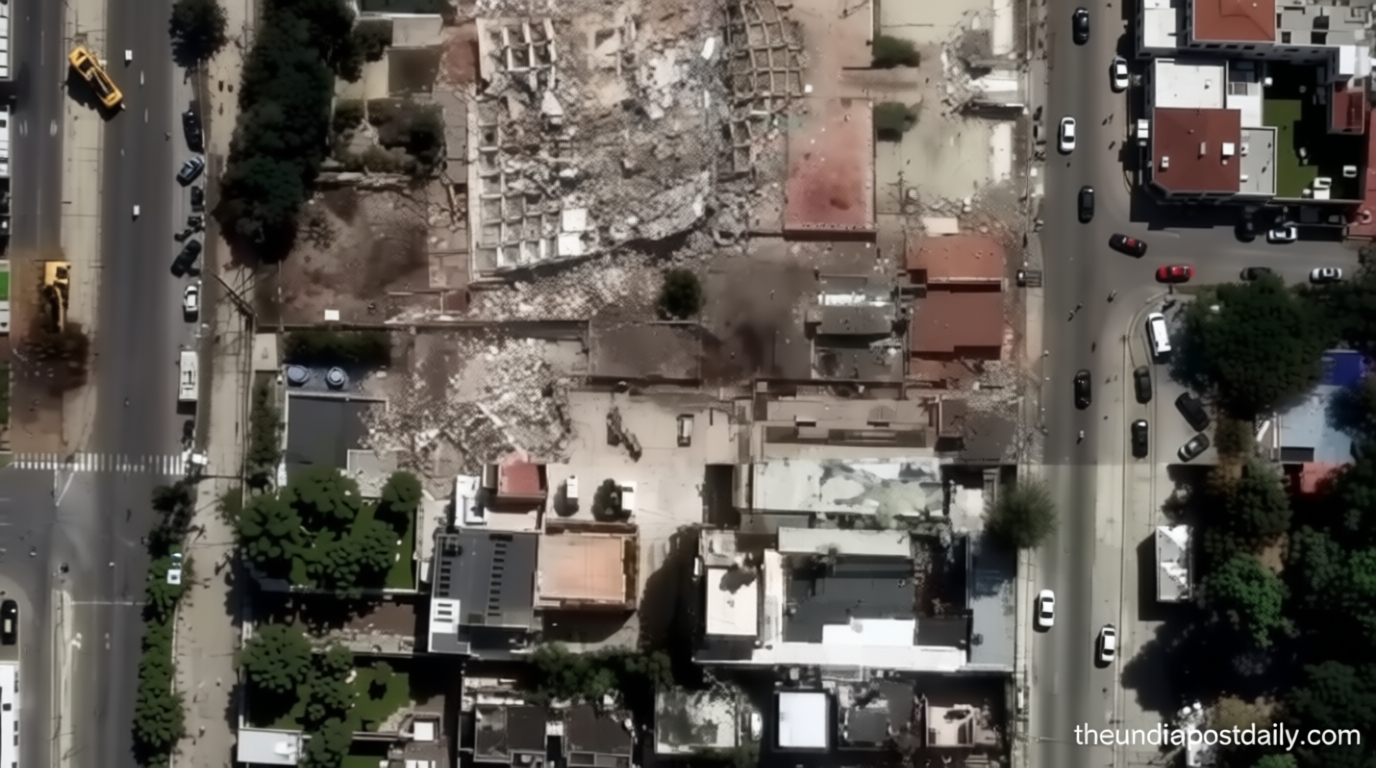
Theindiapostdaily.com – Recent Venezuela earthquakes have devastated the country, with satellite images capturing the massive destruction caused by twin quakes. The images, released by the Vantor satellite imagery service, provide a stark before-and-after view of the damage, particularly in La Guaira, the region most affected by the disaster. Located approximately 40 kilometers north of Caracas, La Guaira has suffered extensive structural collapse, compounding the challenges of a nation already in the midst of a deepening economic and political crisis.
Initial reports indicate that the two earthquakes, with magnitudes measuring 7.0 and 6.9 on the Richter scale, struck on May 8 and June 25, respectively. The first quake caused immediate damage, while the second, occurring a month later, intensified the crisis. High-resolution satellite comparisons over the ten-day period show dramatic changes, including the complete destruction of neighborhoods and industrial zones. Playa Grande, a neighborhood near Simon Bolivar Airport, was buried in dust, with dozens of high-rise buildings collapsing. One iconic white structure at a street corner appeared to crumble entirely, while five adjacent buildings were reduced to rubble, symbolizing the severity of the devastation.
Infrastructure Collapse and Regional Impact
The industrial district of La Guaira, a critical hub for Venezuela’s economy, faced catastrophic losses. Warehouses and commercial properties, including shipping container yards, were transformed into debris fields. Steel reinforcement bars from collapsed structures were scattered across the landscape, a visible reminder of the destruction. An apartment complex in the area sustained major damage, with nearly half of its buildings either fully collapsed or leaning precariously. These images underscore the vulnerability of Venezuela’s infrastructure, which has been weakened by years of economic decline and underinvestment.
While the immediate focus has been on rescue operations, the long-term implications of the earthquakes are becoming clear. The destruction in La Guaira has disrupted supply chains and daily life for thousands. Many residents, already struggling with displacement due to previous crises, now face an uncertain future. The government has prioritized restoring electricity to 75% of the affected area, but this remains a fraction of the work needed. The continued instability in the region raises concerns about the nation’s ability to recover from both natural disasters and ongoing socio-economic turmoil.
Government Response and Ongoing Challenges
Interim President Delcy Rodriguez has been at the forefront of the response, emphasizing the importance of rescue efforts. In a statement, she said,
“Today (Sunday), we have recovered people alive and, therefore, operations are not being suspended. We always maintain hope.”
This sentiment reflects the government’s commitment to disaster relief, though the scale of the task is immense. A presidential commission has been established to assess building safety, while schools have been closed for an additional week to ensure student safety. Despite these measures, the government has restricted access to the main highway to facilitate the movement of emergency vehicles, highlighting the logistical hurdles in coordinating recovery efforts.
As the death toll approaches 1,500, the crisis has drawn attention from international organizations and neighboring countries. The European Union and the United States have expressed concern, with officials calling for increased aid to support the affected communities. Meanwhile, the National Assembly, led by Jorge Rodriguez, the brother of the acting president, reported a significant rise in casualties and displacement. Over 12,721 residents have been forced to seek shelter elsewhere, and 774 buildings have collapsed, further straining resources. The government’s ability to manage this crisis will depend on its capacity to coordinate with both local and international partners, ensuring that aid reaches those in need efficiently.
The twin earthquakes have also exposed the fragility of Venezuela’s infrastructure, which has been deteriorating for years due to economic mismanagement and limited maintenance. The collapse of buildings in La Guaira, a region heavily reliant on industry and trade, has raised questions about the nation’s preparedness for natural disasters. Experts warn that without substantial investment in rebuilding and modernizing infrastructure, future earthquakes could result in even higher casualties. The situation in Venezuela serves as a cautionary tale for other nations facing similar challenges, underscoring the importance of disaster resilience in regions prone to seismic activity.
As the recovery efforts continue, the focus remains on saving lives and stabilizing the affected areas. However, the scale of the destruction highlights the urgent need for long-term solutions. The twin earthquakes have not only caused physical damage but have also intensified the emotional and psychological toll on the population. With the death toll nearing 1,500 and thousands displaced, the impact of these events will be felt for years to come. The resilience of the Venezuelan people, combined with international support, will play a crucial role in the nation’s ability to rebuild and emerge stronger from this crisis.