What is Article 5 of the US-Iran interim agreement? How the Strait of Hormuz clause triggered fresh US-Iran strikes
What is Article 5 of the US-Iran Agreement? A Deep Dive into the Critical Clause What is Article 5 of the US-Iran interim agreement?
What is Article 5 of the US-Iran Agreement? A Deep Dive into the Critical Clause
Theindiapostdaily.com – What is Article 5 of the US-Iran interim agreement? This pivotal provision has become the central point of contention in the escalating standoff between the two nations. Originally intended to prevent further regional conflict, the clause now stands as a flashpoint, with recent actions by both the United States and Iran reigniting tensions. The clause’s role in the June 17 Memorandum of Understanding (MoU) has sparked a new cycle of military strikes, raising concerns about its impact on global trade and energy security.
The Essence of Article 5
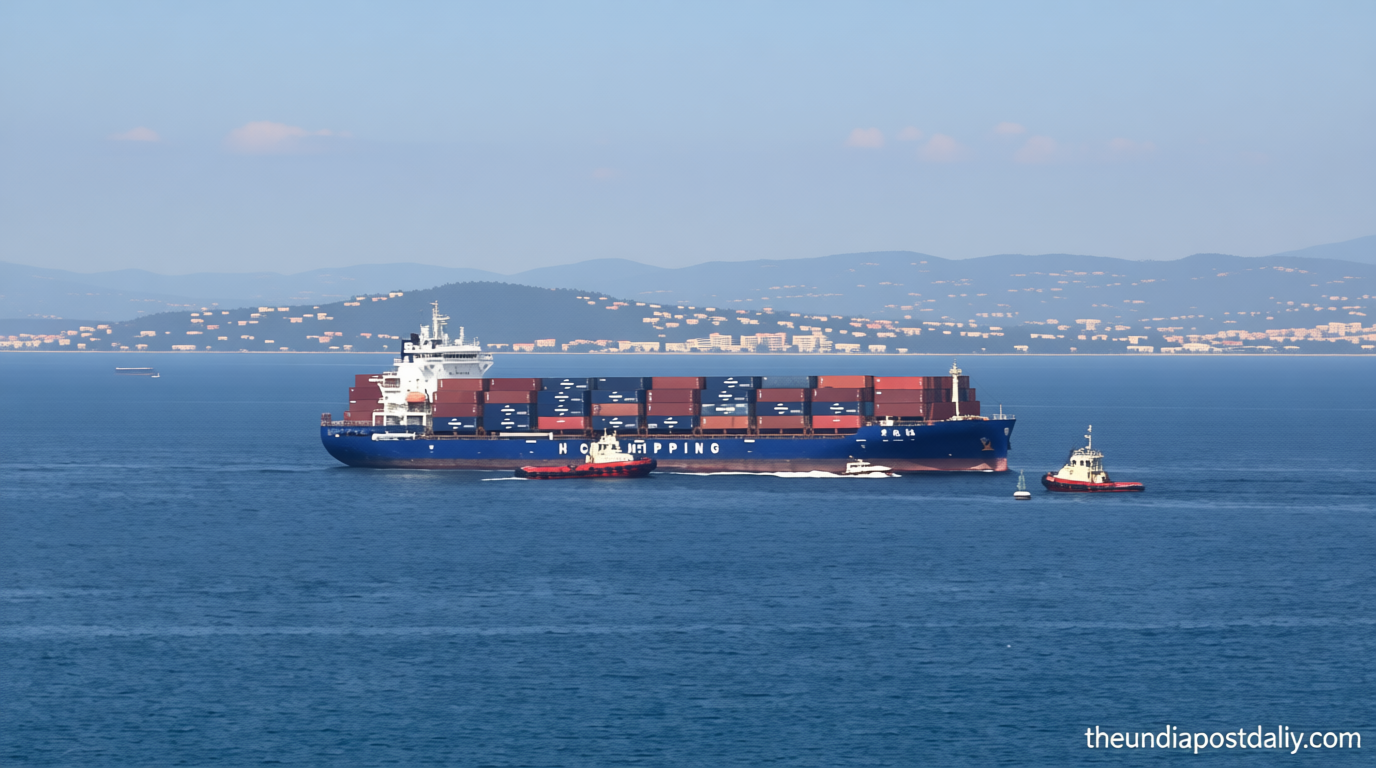
Article 5 of the US-Iran interim agreement focuses on the security of commercial maritime traffic through the Strait of Hormuz. This narrow waterway is crucial for global energy flows, as it serves as the primary route for oil shipments from the Persian Gulf. The agreement required Iran to ensure unobstructed passage for vessels, including the removal of military barriers and the maintenance of a 60-day window for free navigation. Additionally, it called for Iran to collaborate with Oman and other Gulf nations to establish a framework for the strait’s future governance under international law.
Iran’s commitment to this clause was a cornerstone of the deal, which aimed to ease sanctions and prevent a full-scale war. However, the implementation of Article 5 has proven contentious, as both sides interpret its obligations differently. The US views it as a mandate for Iran to prioritize commercial shipping, while Iran insists it has the right to manage the strait according to its own terms.
Disputes and Escalation
The current conflict began when Iranian forces reportedly directed tankers to take a different route through Omani waters, violating the agreed terms. This action, combined with the targeting of two commercial ships—the Singapore-flagged Ever Lovely and the Panama-flagged Kiku—prompted the US to accuse Iran of breaching the agreement. Although Iran did not immediately claim responsibility, the incident underscored the fragile nature of the accord and the growing risk of military confrontation.
Following these incidents, the US launched airstrikes against Iranian installations along the southern coast of the strait. These strikes targeted missile depots, radar systems, and communication hubs, signaling a readiness to retaliate for perceived violations. Iran, in turn, responded with missile and drone attacks on US bases in Kuwait and Bahrain, framing its actions as a necessary defense against American aggression.
Global Implications and Trade Concerns
The Strait of Hormuz’s strategic importance cannot be overstated. Over 20% of the world’s oil supply passes through this chokepoint, making it a vital artery for global energy markets. Any disruption to its flow could have immediate and far-reaching economic consequences. Article 5’s role in ensuring this passage has thus drawn international attention, with stakeholders urging both nations to avoid further escalation.
As the dispute over Article 5 continues, its implications extend beyond bilateral relations. The clause’s enforcement could determine the stability of the region and the viability of international trade. Experts warn that a prolonged conflict over this provision might lead to permanent restrictions on maritime traffic, affecting economies worldwide and testing the resolve of the international community to mediate the crisis.
Revisiting the Clause’s Purpose
When the US-Iran interim agreement was signed, Article 5 was designed to reduce the risk of Iranian actions impeding oil exports. The provision sought to balance Iran’s sovereignty over the strait with the need for uninterrupted shipping. However, its wording has allowed for differing interpretations, complicating efforts to resolve disputes. The US has emphasized the importance of securing the strait as a priority, while Iran has highlighted its right to control the area as part of its national interests.
Iran’s Foreign Minister, Abbas Araghchi, has criticized the US for not adhering to the agreement’s terms, arguing that the clause validates Iran’s authority over the strait. He warned that imposing alternative shipping routes would prolong the strait’s closure and undermine Iran’s position. This divergence in perspective has fueled the current cycle of strikes, with each side accusing the other of failing to honor the agreement’s spirit.
The Path Forward
Despite the recent clashes, the US-Iran interim agreement remains a critical tool for de-escalating tensions. The dispute over Article 5, however, highlights the challenges of enforcing such terms in a volatile geopolitical environment. As both nations grapple with their interpretations, the international community watches closely, hoping for diplomatic resolutions that could prevent a full-scale war.