NYC Mayor Mamdani vows to defy Supreme Court ruling allowing Trump to deport Haitian, Syrian migrants
NYC Mayor Zohran Mamdani has publicly declared his intent to
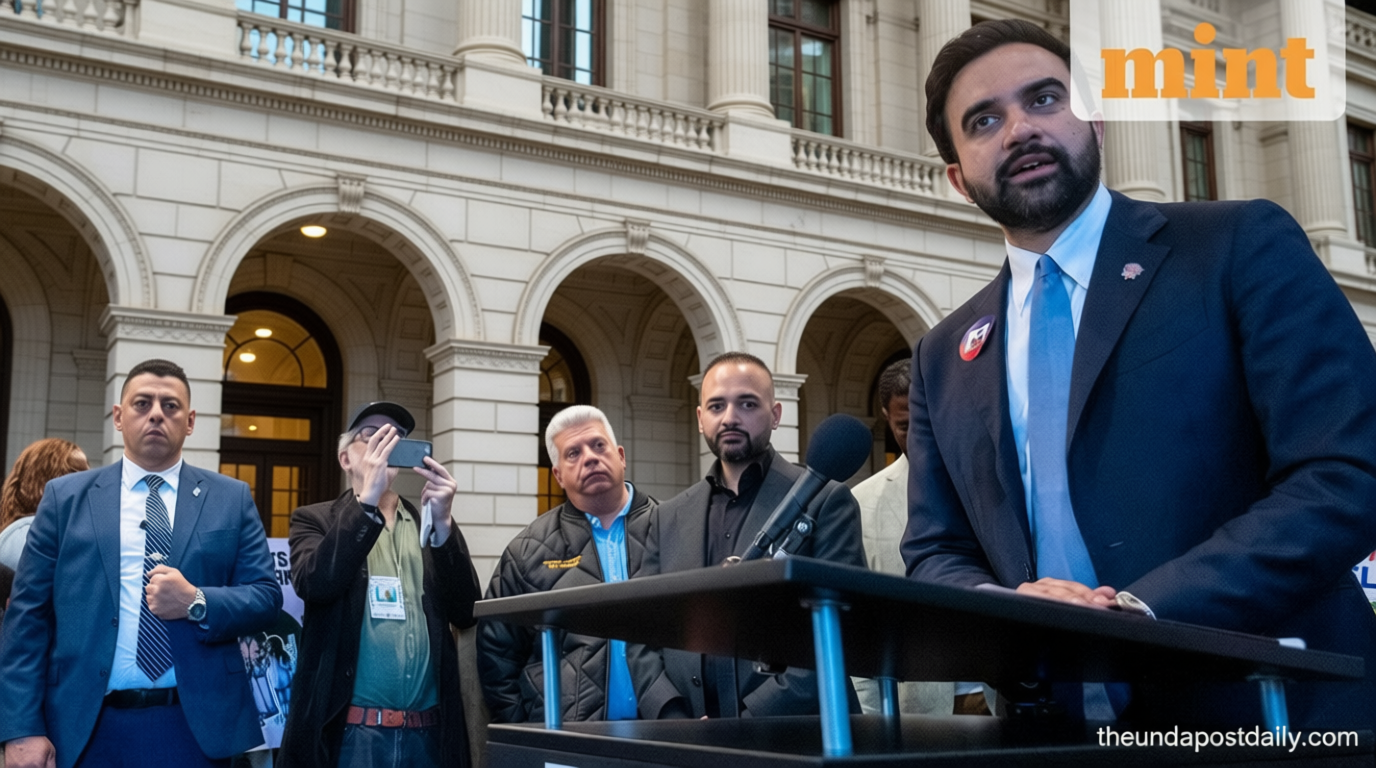
NYC Mayor Mamdani Vows to Defy Supreme Court Deportation Ruling
Theindiapostdaily.com – NYC Mayor Zohran Mamdani has publicly declared his intent to defy a recent Supreme Court decision that enables the Trump administration to expedite the deportation of Haitian and Syrian migrants. The ruling, which allows the revocation of Temporary Protected Status (TPS) for these groups, has sparked immediate backlash from local leaders who argue it undermines immigrant protections. Mamdani, a vocal advocate for marginalized communities, emphasized that the decision represents a direct threat to the rights of residents who have called New York home for years.
Supreme Court Opens Door for Deportation Policy Expansion
On Thursday, the Supreme Court delivered a landmark ruling that permits the U.S. Department of Homeland Security to terminate TPS for Haitian and Syrian nationals. The 6-3 decision was issued in response to the Trump administration’s request to rescind protections that had been in place since 2010 for Haiti and 2012 for Syria. These policies were initially designed to provide temporary refuge for individuals displaced by natural disasters or conflict, with Haitian TPS following the 2010 earthquake and Syrian TPS established amid the country’s civil war.
“This ruling is a major setback for immigrant rights and a clear signal that the federal government is prioritizing deportation over compassion,” Mamdani stated. “Our city will not stand by while these protections are stripped away. We vow to defy this decision and fight for the dignity of every resident.”
The decision allows for the deportation of approximately 1.3 million people, including 115,000 Haitians and nearly 12,000 Syrians, who have been living in the U.S. under TPS. Critics argue that the ruling exacerbates the already contentious immigration landscape, giving the administration more flexibility to target specific groups. Mamdani’s defiance comes amid growing concerns over the impact of this policy shift on New York’s diverse population.
Sanctuary Policies as a Frontline Defense
Since taking office in January, Mamdani has reinforced New York’s status as a sanctuary city by implementing policies that limit cooperation with federal immigration enforcement. His administration has already taken steps to ensure that city-owned facilities, such as schools, hospitals, and shelters, are not used as checkpoints for deportations. This move aligns with his broader commitment to protecting immigrant communities, which he has highlighted in recent speeches and press conferences.
“New York will continue to serve as a refuge for those fleeing violence and instability,” Mamdani asserted. “Our sanctuary policies are not just symbolic—they are a practical defense against the federal government’s aggressive deportation agenda.”
These measures have been met with both support and scrutiny. While advocates praise the mayor’s efforts to shield vulnerable residents, opponents claim they hinder federal efforts to address immigration issues. Mamdani’s stance reflects a growing divide between state and federal authorities, with local leaders increasingly positioning themselves as champions of immigrant rights.
Thousands at Risk: A Community in Crisis
The Supreme Court’s ruling places hundreds of thousands of Haitian and Syrian residents in New York at risk of being deported. City records show that over 115,000 Haitians and nearly 12,000 Syrians reside in the city, many of whom have established deep roots in local communities. For these individuals, the loss of TPS means they could be forcibly removed from the country they now call home, disrupting families and livelihoods.
Legal experts warn that the policy shift could have long-term consequences for the city’s economy and social fabric. Haitian and Syrian immigrants contribute significantly to New York’s workforce, with many working in healthcare, education, and small businesses. The mayor’s vow to defy the ruling is seen as a critical step in preserving these contributions and maintaining the city’s reputation as a haven for immigrants.
Broader Implications for Immigration Policy
The decision to revoke TPS for Haitian and Syrian migrants is part of a larger trend in the Trump administration’s immigration strategy, which has emphasized expedited removals and stricter enforcement. Mamdani’s defiance signals a potential legal battle, as he plans to challenge the ruling through local and state-level mechanisms. This approach could set a precedent for other cities to resist federal immigration policies, even as the Supreme Court maintains its authority to uphold them.
With the ruling, the administration also gains the power to resume the “metering” policy at the U.S.-Mexico border, which caps the number of asylum applications processed daily. This measure, previously used to reduce the flow of migrants into the country, has drawn criticism for creating barriers for those seeking protection. Mamdani’s commitment to defying the Supreme Court’s decision may include efforts to counteract such policies through New York’s own immigration framework.
Mayor’s Strategy to Counter Deportation Threats
To oppose the Supreme Court’s ruling, Mamdani has outlined a multi-pronged strategy that includes legal challenges, policy adjustments, and public mobilization. His administration will work closely with advocacy groups to provide legal aid and support for residents at risk of deportation. Additionally, Mamdani plans to expand the city’s sanctuary policies to cover more areas, such as employment and housing, ensuring that immigrants have a safety net even as federal authorities move to remove protections.
Public outreach has also been a key component of his plan. Mamdani has called for community meetings and media campaigns to raise awareness about the potential consequences of the ruling. By emphasizing the personal stories of affected residents, he aims to build public support for his stance and rally broader opposition to the federal government’s approach. This strategy underscores the mayor’s belief that defying the Supreme Court’s decision is not just a legal matter but a moral imperative.