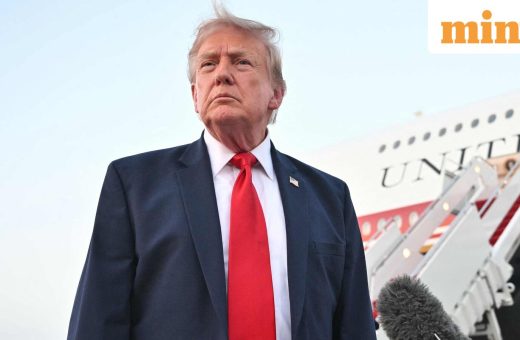
‘Foolish’ ceasefire violation: Trump slams Iran over drone strike on cargo ship
Trump Condemns Iran's 'Foolish' Ceasefire Violation in Drone Strike on Cargo Ship Theindiapostdaily.com – US President Donald Trump has criticized Iran for a "foolish" ceasefire violation after a drone attack…
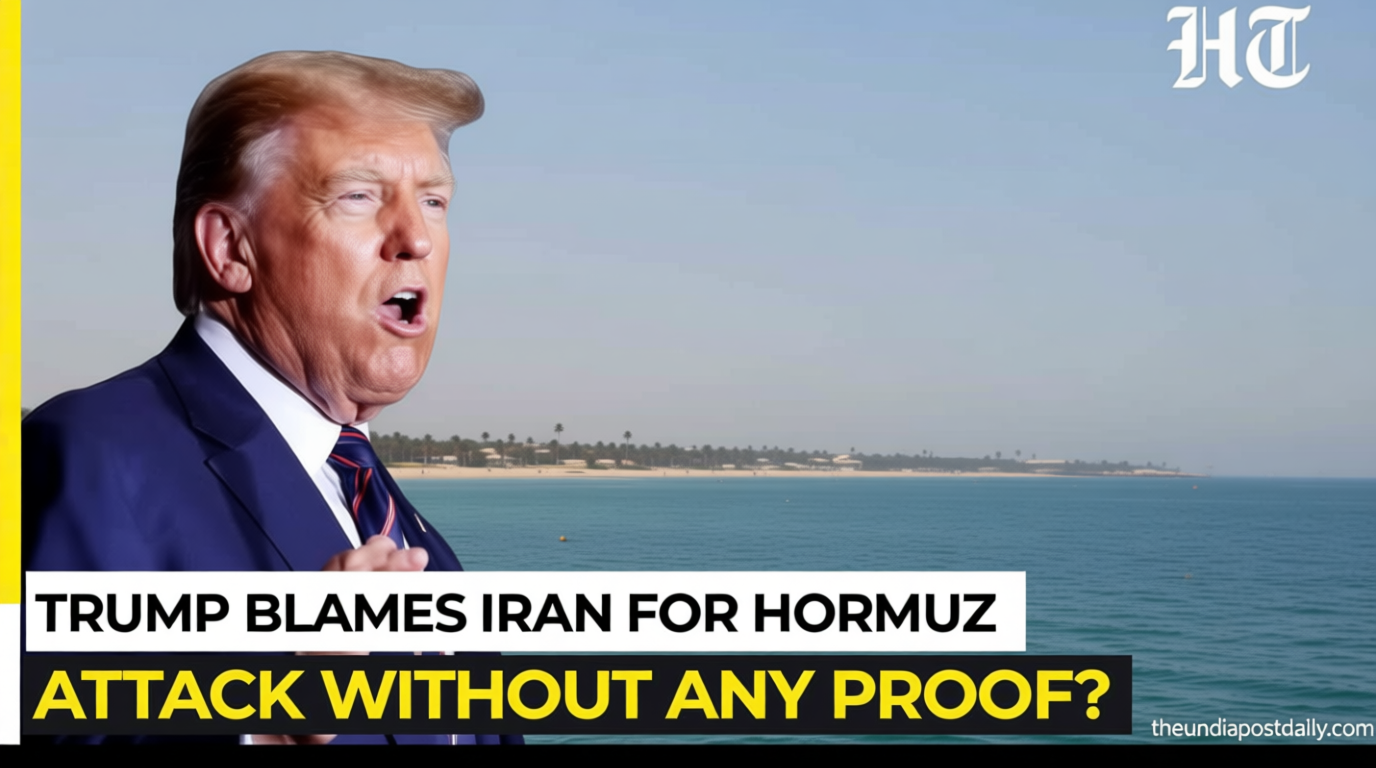
Trump Condemns Iran’s ‘Foolish’ Ceasefire Violation in Drone Strike on Cargo Ship
Theindiapostdaily.com – US President Donald Trump has criticized Iran for a “foolish” ceasefire violation after a drone attack targeted a cargo vessel in the Strait of Hormuz, according to reports from AFP and UKMTO. The incident, which occurred on Thursday, marked a significant escalation in tensions following the April 8 ceasefire agreement between the US and Iran. Trump’s condemnation on his Truth Social platform highlighted the attack as an intentional breach of the accord, with the president calling it a reckless act that undermines diplomatic efforts.
“This is a foolish breach of our Ceasefire Agreement,” Trump wrote. “Iran is not doing what they should be doing, and they are making a big mistake with this attack.”
The drone strike reportedly damaged the upper deck of the ship, which was carrying critical goods, and disrupted operations in the strategic waterway. The UK’s Maritime Trade Operations (UKMTO) confirmed the attack, stating that an unknown projectile struck the vessel’s starboard side, causing damage to the bridge but no injuries to the crew. The incident took place about 7.5 nautical miles from Oman’s coast, underscoring the region’s vulnerability to sudden escalations in hostilities. Analysts note that such attacks could have far-reaching consequences for global trade, given the Strait of Hormuz’s role as a vital shipping route.
Regional Reactions to the Ceasefire Breach
The attack has sparked immediate concern among regional allies and international shipping organizations. The International Maritime Organization (IMO) expressed worries about the safety of maritime traffic in the Gulf, with its secretary-general, Arsenio Dominguez, stating that evacuation procedures for 600 vessels and nearly 11,000 sailors would be temporarily paused to assess the situation. This highlights the growing anxiety over the stability of the ceasefire, which was meant to reduce hostilities and protect commercial shipping from being caught in crossfire.
Iran’s defense ministry has since issued a statement, claiming responsibility for the drone strike and asserting that the attack was a targeted operation to disrupt US-backed economic activities in the region. The ministry emphasized that the strike was a necessary response to ongoing US military actions against Iranian interests. Meanwhile, the US has reiterated its stance that Iran’s actions violate the ceasefire, calling for accountability and renewed diplomatic engagement to prevent further incidents.
Historical Context of the Ceasefire Agreement
The ceasefire, which took effect on April 8, was a result of months of negotiations between the US and Iran, aiming to de-escalate hostilities in the Gulf. However, the recent drone strike has reignited fears that the agreement is fragile. The conflict, which began on February 28, saw Iran and the US engaged in a series of military exchanges, with both sides accusing each other of undermining peace efforts. The drone attack appears to be a symbolic act, signaling Iran’s determination to challenge the ceasefire despite its commitment to maintaining stability.
Experts warn that the incident could set a precedent for further attacks on commercial vessels, potentially leading to a new phase of hostilities. The Strait of Hormuz, a critical chokepoint for global oil shipments, has been a hotspot for tensions between the US and Iran. The attack not only raises questions about the effectiveness of the ceasefire but also underscores the strategic importance of controlling this vital waterway. With over 20% of the world’s oil passing through the strait, any disruption could have economic implications far beyond the Gulf region.
Trump’s sharp response to the attack reflects the administration’s frustration with Iran’s perceived violations. The president has previously accused Iran of using the ceasefire as a cover for continued aggression, and this incident has provided fresh ammunition for his criticism. In a broader context, the drone strike has been seen as a test of the ceasefire’s durability, with both sides now facing pressure to uphold their commitments or risk further escalation. The US has pledged to take “swift and decisive” action against any future breaches, signaling a hardline approach to maintaining the agreement.
International observers have called for a more nuanced analysis of the situation, noting that the attack might be a calculated move to pressure the US into renegotiating terms of the ceasefire. While Iran’s actions have been condemned as “foolish,” they also highlight the complexities of the ongoing conflict and the challenges of maintaining peace in a region fraught with geopolitical rivalries. The incident has once again placed the world’s attention on the Gulf, where tensions between major powers continue to threaten the stability of critical trade routes.