IMD issues flood warnings for northeast while UP battles severe heatwave
IMD Issues Flood Alerts for Northeast Amid Heatwave in Uttar Pradesh Theindiapostdaily.com – As the southwest monsoon progresses across central and northern India, the India Meteorological Department (IMD) has issued…
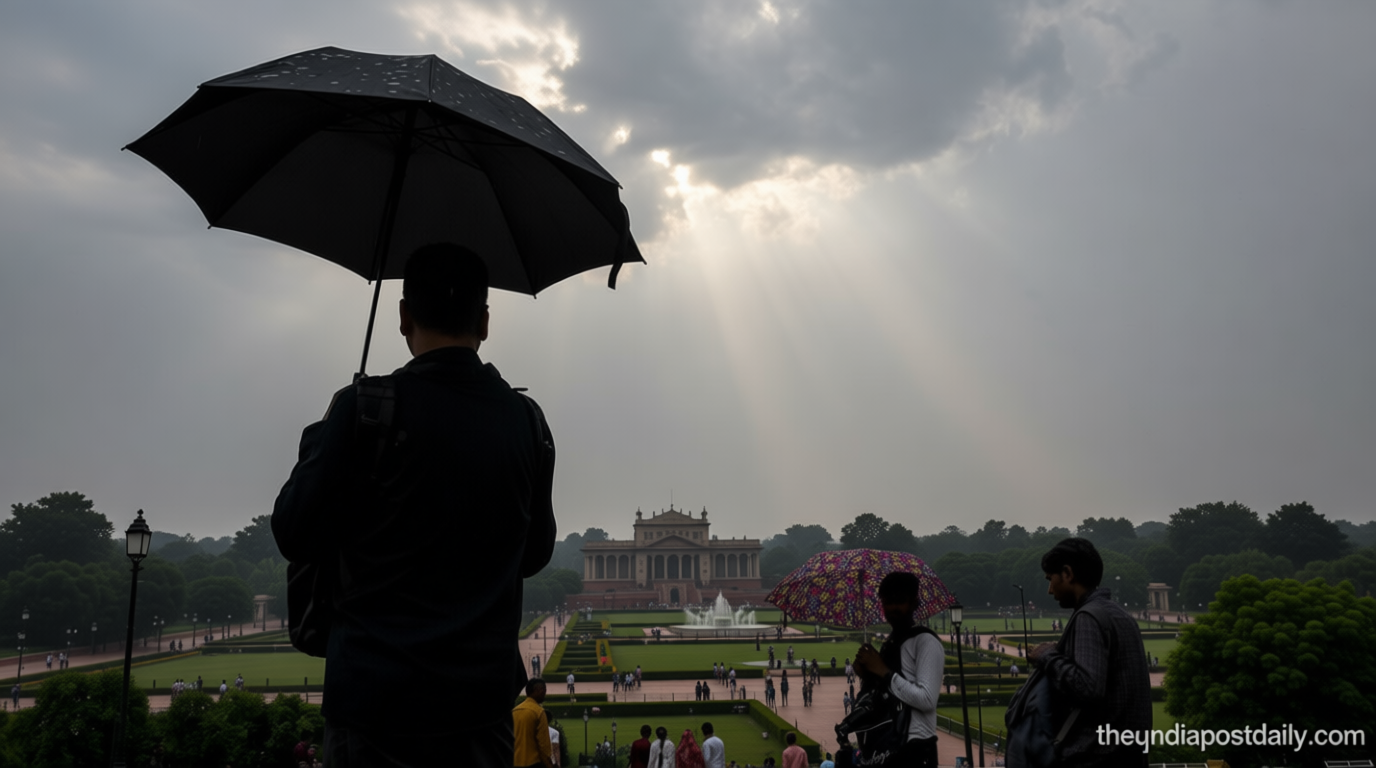
IMD Issues Flood Alerts for Northeast Amid Heatwave in Uttar Pradesh
Theindiapostdaily.com – As the southwest monsoon progresses across central and northern India, the India Meteorological Department (IMD) has issued flood warnings for the northeastern region, emphasizing the potential for heavy rainfall and inundation in several states. This development comes alongside an ongoing severe heatwave in eastern Uttar Pradesh, where scorching temperatures have been pushing daily records and prompting concerns over health and water scarcity. The contrasting weather patterns highlight the unpredictable nature of monsoon season and the need for region-specific preparedness strategies.
Flood Risk in the Northeast
The IMD’s latest update indicates that the monsoon is advancing rapidly into northern regions, with significant implications for the northeast. “Favorable atmospheric conditions support the monsoon’s further advance into more parts of the northern Arabian Sea, Gujarat, Madhya Pradesh, Chhattisgarh, Jharkhand, Bihar, and some areas of Uttar Pradesh and Uttarakhand over the next three to four days,” the department stated in its report. This expansion of the monsoon’s reach has raised concerns about the likelihood of flooding in sub-Himalayan states like West Bengal, Assam, and Nagaland.
Recent rainfall events in the northeast have been particularly intense, with sub-Himalayan West Bengal, Arunachal Pradesh, and Nagaland recording very heavy downpours of 12 to 20 cm on June 25. Isolated regions in Konkan, Gangetic West Bengal, Bihar, and Assam also received 7 to 11 cm of rain. These figures underscore the IMD’s warning that the region is bracing for prolonged heavy to very heavy rain, which could overwhelm drainage systems and lead to waterlogging in low-lying areas. Sikkim and other neighboring states are also under watch for similar conditions.
Heatwave Intensifies in Uttar Pradesh
Meanwhile, eastern Uttar Pradesh is grappling with a severe heatwave that has persisted for days. Maximum temperatures in the region have climbed to 40–43°C in multiple districts, with Ghoorpur in Allahabad recording the highest of 43°C on June 25. The IMD forecasts that this extreme heat will continue for at least three more days, affecting not only urban centers but also rural areas reliant on agriculture. The heatwave is exacerbating water shortages and increasing the risk of heat-related illnesses among vulnerable populations.
Although the monsoon brings relief to the northeast, it is not expected to reach eastern Uttar Pradesh immediately. The IMD notes that the weather system will likely shift southward, leaving the region under the influence of high-pressure zones. This scenario creates a dual challenge, as the northeast faces potential flooding while UP experiences persistent drought-like conditions. The contrast in weather patterns is a reminder of the regional variations in monsoon behavior and their far-reaching consequences.
Regional Impacts and Preparedness
Heavy rainfall in the northeast could disrupt transportation networks, damage infrastructure, and displace communities. The IMD has advised local authorities to implement emergency measures, including reinforcing embankments, evacuating at-risk populations, and monitoring river levels. In contrast, the heatwave in Uttar Pradesh has prompted calls for additional water distribution and public health alerts. The dual extremes of weather are testing the resilience of both urban and rural systems, with agricultural productivity in UP facing severe threats due to prolonged dry spells.
The forecast for the coming days reveals that isolated thunderstorms and lightning activity will intensify in Arunachal Pradesh, Assam, Meghalaya, Nagaland, Manipur, Mizoram, and Tripura from June 27 to 30. These storms are likely to contribute to the overall rainfall totals, further complicating the situation in the northeast. The IMD’s weather forecasts are critical for guiding timely responses, ensuring that resources are allocated effectively to mitigate both flooding and drought impacts across the country.
“The southwest monsoon’s movement is a key determinant of regional weather patterns, and its arrival in Kerala on June 4 marks the beginning of a season that will test India’s ability to adapt to extreme climate conditions,”
As the monsoon season unfolds, the IMD’s role in monitoring and predicting these weather extremes becomes even more vital. The forecast highlights that the northeast is in the high-risk zone for flooding, while Uttar Pradesh faces a prolonged period of severe heat. This dual challenge underscores the importance of integrated disaster management strategies, ensuring that both regions receive adequate support to address their unique vulnerabilities. The IMD’s weather forecasts remain a cornerstone for decision-making in agriculture, infrastructure, and public health planning.