Iran conflict ends, but what does Pakistan gain? Economy, diplomacy in focus
Iran Conflict Ends, but What Does Pakistan Gain? Economy, Diplomacy in Focus Diplomatic Efforts and Regional Stability Iran conflict ends but what does - On
Iran Conflict Ends, but What Does Pakistan Gain? Economy, Diplomacy in Focus
Diplomatic Efforts and Regional Stability
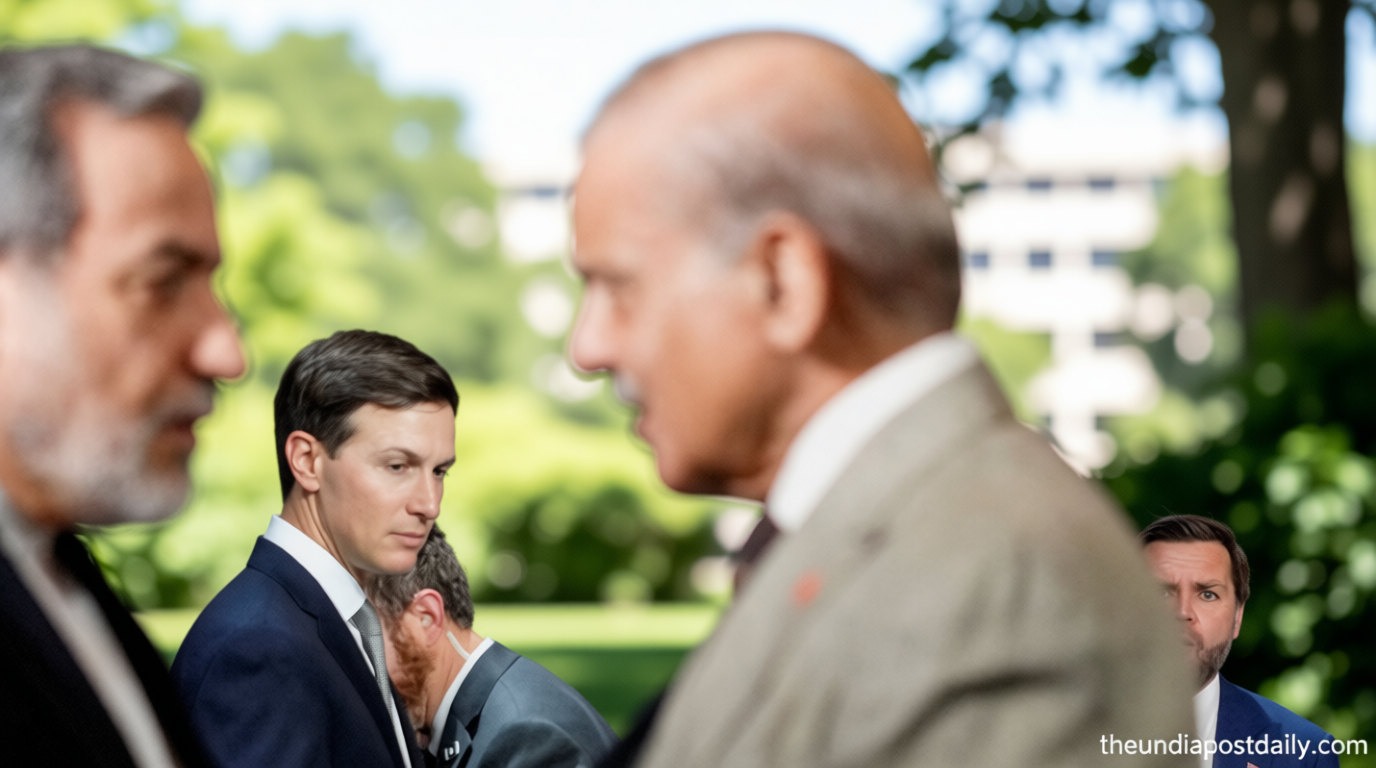
Theindiapostdaily.com – On Thursday, US envoy Marco Rubio emphasized that a deal with Iran would not sacrifice security concerns for Gulf allies, seeking to ease anxieties about potential compromises. His remarks were reported by AFP, highlighting the administration’s commitment to safeguarding regional stability. Alongside Rubio, mediator Pakistan signaled that technical discussions between the US and Iran could restart soon, following initial talks in Switzerland.
Economic Implications
Pakistan’s economic performance has shown resilience amid regional turmoil. The country reported a 3.7% GDP growth in the previous financial year, its strongest in four years, while remittances from Gulf countries surged by 8.2% to $30.3 billion. The fiscal deficit also contracted significantly, according to recent data. Analysts note that Pakistan, perhaps more than any other nation outside the Middle East, faced severe economic risks due to the ongoing conflict, as highlighted by Michael Kugelman of the Atlantic Council.
“Pakistan, perhaps more than any other country outside the Middle East, was highly vulnerable to the effects of the war,” Kugelman stated in an email to CNBC.
Historical Tensions and Strategic Shifts
Relations between Iran and Pakistan have been tense since the 1979 Islamic Revolution, which solidified Shiism as Iran’s core ideology. This ideological shift created a divergence with Pakistan, which increasingly promoted Sunni identity under leaders like Muhammad Zia-ul-Haq, who took power in 1977. Post-revolution Iran, however, focused on expanding Shia influence globally, while Pakistan maintained strong ties with the US.
Border Dynamics and Military Influence
Pakistan’s 900-kilometer border with Iran and its status as host to the world’s second-largest Shia community have positioned it as a key regional player. Despite a significant Shia population, estimates suggest they make up only 15–20% of the total, with the majority being Sunni Muslims. The military continues to hold substantial sway over Pakistan’s political landscape, with Shehbaz Sharif securing military support in 2024 to bolster his government, as noted by the Financial Times.
Future Opportunities and Challenges
The long-stalled Iran-Pakistan gas pipeline project, delayed over a decade by US sanctions, may regain attention. Reduced Gulf tensions could also benefit Pakistan’s economy by stabilizing energy costs, protecting remittances, and lowering security threats along its border. However, experts warn that the diplomatic situation remains intricate, with Islamabad’s public stance masking underlying complexities. Umer Karim of the King Faisal Centre for Research and Islamic Studies suggested that Pakistan’s active role in the conflict might now strain its diplomatic leverage.
“Pakistan entered the crisis by filling a specific diplomatic space that may now begin narrowing,” Karim remarked in an Al Jazeera interview.
Regional Connectivity and Economic Vision
Experts predict that eased tensions could open avenues for broader regional cooperation, including initiatives like CPEC-linked trade routes and expanded transit agreements. Such developments might enhance Pakistan’s economic integration with neighboring countries, though challenges persist in balancing regional interests with domestic priorities. The country’s strategic position and diplomatic maneuvering will remain critical as it navigates the aftermath of the conflict.