Haryana announces 100% MV tax exemption for new BS-VI, EV and CNG trucks and buses in NCR districts
Haryana Announces 100% MV Tax Exemption for BS-VI, EV, and CNG Vehicles in NCR Districts Haryana announces 100 MV tax exemption as part of its ambitious plan
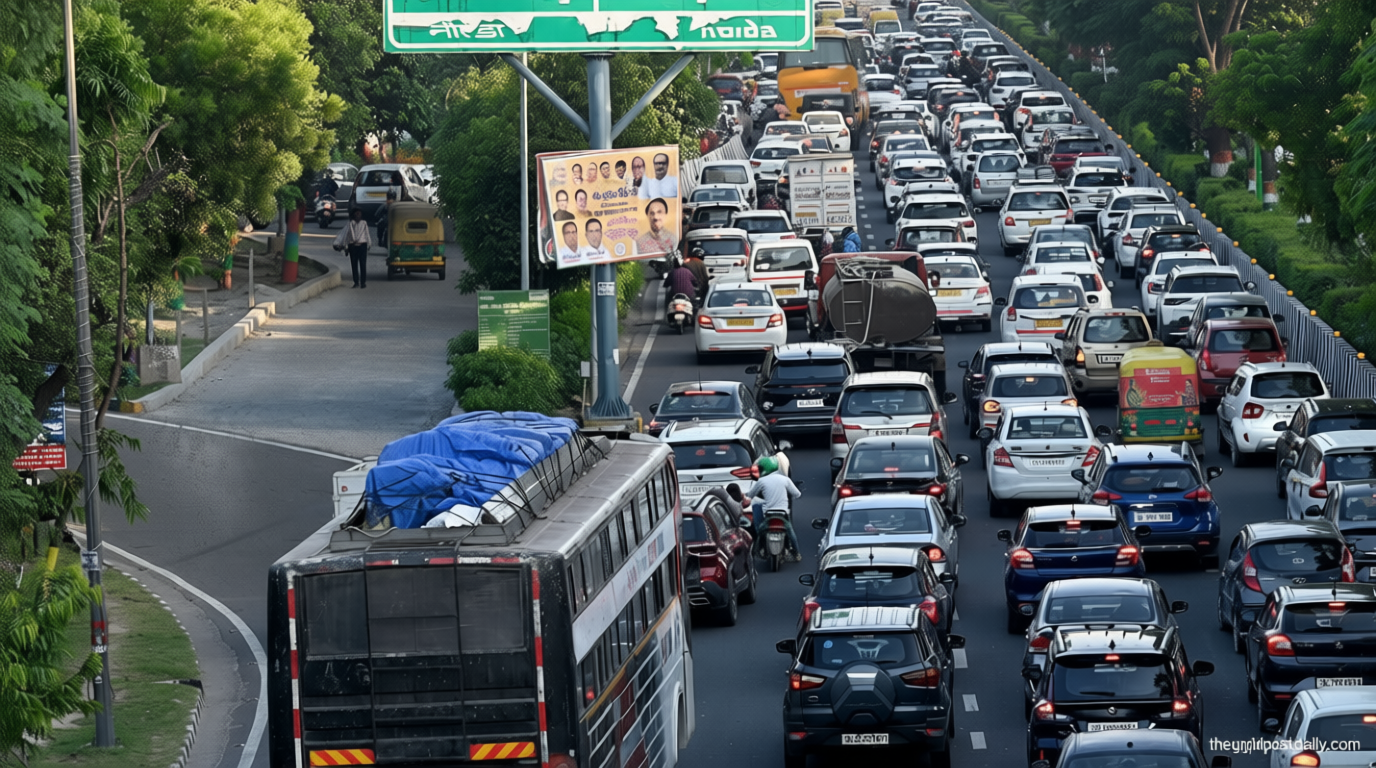
Haryana Announces 100% MV Tax Exemption for BS-VI, EV, and CNG Vehicles in NCR Districts
Theindiapostdaily.com – Haryana announces 100 MV tax exemption as part of its ambitious plan to combat vehicular pollution and promote sustainable transportation in the National Capital Region (NCR). The state government has unveiled a new policy that offers full Motor Vehicle (MV) tax relief for commercial vehicles conforming to BS-VI emission standards, as well as electric vehicles (EVs) and compressed natural gas (CNG) models. This initiative aims to reduce the environmental burden of traditional vehicles while supporting the adoption of greener technologies in the region.
Eligibility and Scope of Tax Benefits
The exemption applies to vehicles acquired and registered within Haryana’s NCR districts, which include cities like Gurugram, Faridabad, and Delhi. This means that businesses and individuals investing in BS-VI, EV, or CNG trucks and buses will see their tax liabilities slashed by 100% for up to a decade. The policy also extends partial incentives to used vehicles that meet the same environmental criteria, further encouraging fleet modernization.
Encouraging Cleaner Transportation Adoption
Haryana’s move underscores its commitment to aligning with national environmental goals and improving air quality. By removing the financial disincentive of MV tax for cleaner vehicles, the state hopes to accelerate the transition from older, high-emission models to eco-friendly alternatives. The BS-VI standard, which is more stringent than its predecessors, ensures that these vehicles comply with modern emission norms, while EVs and CNG models eliminate tailpipe emissions entirely. This creates a dual benefit of environmental protection and economic efficiency for users.
Scrapping Rules for Older Vehicles
As part of the broader strategy, Haryana has mandated the retirement of older BS-III and BS-IV vehicles. Owners of these models must either dismantle them at approved facilities or sell them in non-NCAP areas. This measure ensures that outdated vehicles are phased out, reducing their contribution to urban pollution. The policy also emphasizes that scrapping must be completed before registering new, compliant vehicles, reinforcing the importance of sustainable fleet management.
Financial Relief for Existing Fleet Owners
Owners of commercial vehicles with outstanding MV tax debts will also benefit from the policy. If the debt exceeds one year, it will be waived for vehicles registered in NCR districts. This provision eases the financial pressure on operators during the transition period, making it more feasible to invest in cleaner technologies. It also aligns with the goal of reducing the total number of polluting vehicles on the road, thereby contributing to cleaner air and lower carbon footprints.
Long-Term Environmental and Economic Impact
The 10-year tax exemption period for new vehicles provides a strong incentive for long-term investment in eco-friendly transportation. This not only supports the immediate reduction of emissions but also ensures that the benefits of cleaner technology are sustained over time. Haryana’s initiative is expected to create a ripple effect, spurring innovation in the automotive sector and fostering a culture of environmental responsibility among transport operators. The state government has emphasized that this policy will play a pivotal role in achieving its clean air targets by 2030.
“Haryana announces 100 MV tax exemption to make the shift to low-emission vehicles more affordable and attractive for all stakeholders,” said a government official in a press release. “This step is critical for transforming the NCR into a model of sustainable urban mobility.”
Policy Implementation and Next Steps
Details of the policy, including the exact timeline for implementation and the list of approved scrapping centers, will be announced shortly. The government plans to collaborate with local authorities to ensure smooth execution and monitor compliance. Industry experts predict that this move could lead to a significant decline in the number of BS-IV and older vehicles, reducing particulate matter and nitrogen oxide emissions in the region. Additionally, the tax incentives are expected to stimulate demand for EVs and CNG vehicles, potentially lowering fuel costs and operational expenses for transport operators.
Haryana announces 100 MV tax exemption as a strategic response to the growing concerns over air quality in the NCR. With vehicular emissions contributing significantly to pollution, this policy represents a bold step toward cleaner transportation. By incentivizing the use of BS-VI, EV, and CNG vehicles, the state not only addresses environmental challenges but also positions itself as a leader in sustainable development. The success of this initiative will depend on public awareness, infrastructure readiness, and continued policy support to ensure long-term impact.