India restores commercial LPG supplies to pre-crisis levels as West Asia crisis pressures ease
India Restores LPG Supplies to Pre-Crisis Levels Context and Immediate Impact India restores commercial LPG supplies to pre - India has resumed commercial
India Restores LPG Supplies to Pre-Crisis Levels
Context and Immediate Impact
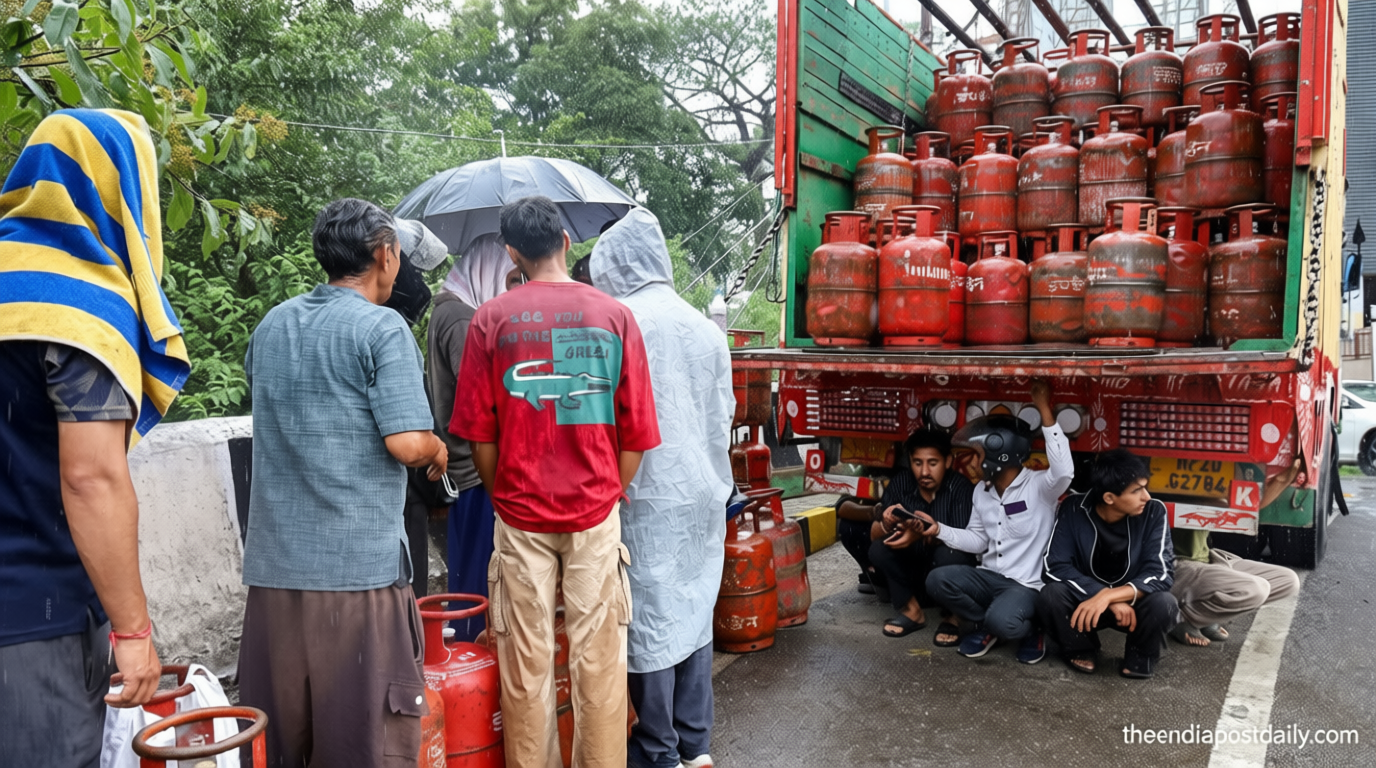
Theindiapostdaily.com – India has resumed commercial liquefied petroleum gas (LPG) distributions to businesses such as hotels, restaurants, and industrial sectors, bringing supplies back to levels seen before the recent West Asia crisis. This decision comes as pressure from the ongoing conflict in the region has eased, allowing authorities to lift sector-specific restrictions on LPG availability. The Press Trust of India (PTI) reported that the government has taken steps to restore commercial LPG supplies, ensuring that industries and commercial users can once again access the fuel at pre-crisis levels.
The resumption of LPG supplies is a critical step in stabilizing the energy sector, which faced significant disruptions during the crisis. Domestic production gains and the anticipated arrival of imported cargoes have played a key role in this reversal. While bulk LPG had been suspended earlier in the year, it is now partially reinstated at 50% of its pre-conflict consumption levels. This adjustment is part of broader efforts to ease emergency measures that were introduced to prioritize household access to cooking gas during the crisis.
“The government has lifted all sectoral restrictions on non-domestic packed LPG supplies, restoring availability to pre-West Asia crisis levels,” said the Petroleum Ministry in a statement. The move also highlights the gradual recovery of the energy supply chain, with a focus on balancing the needs of both residential and commercial users. The partial revival of bulk LPG flows is expected to provide relief to industries that were previously constrained by limited access to the fuel.
Challenges and Strategic Adjustments
The initial restrictions on commercial LPG were imposed after the Iran conflict disrupted imports from West Asia, which supply approximately 90% of India’s cooking gas. To meet household demand, authorities redirected supplies from businesses to residential users, leading to temporary cuts for industries. This shift forced companies like Reliance Industries to reduce petrochemical output and reallocate resources to meet LPG needs. As the crisis eased, the government adjusted its strategy, reducing the diversion of C3 and C4 hydrocarbon streams and reintroducing them to downstream sectors.
With improved domestic production and a more stable import pipeline, the government is now working to rebalance the energy market. The Centre of High Technology has been instructed to distribute enhanced allocations of C3-C4 streams to critical industries, ensuring that LPG production remains above 40,000 tonnes per day. These measures are part of India restoring commercial LPG supplies and signaling a return to normalcy in the sector. Additionally, the government has emphasized the importance of maintaining uninterrupted access to cooking gas for households, even as commercial supplies are gradually increased.
Despite the relaxation of restrictions, the transition to normal operations is being managed carefully. State-run oil marketing companies are tasked with maintaining detailed consumer databases to refine supply strategies and allocate resources efficiently. The government has also accelerated plans to transition commercial users to piped natural gas (PNG), with eligible customers being gradually moved to city gas networks as infrastructure permits. This long-term strategy complements the immediate steps of India restoring commercial LPG supplies and aims to reduce dependency on imported gas in the future.
Broader Economic and Energy Implications
The restoration of commercial LPG supplies has broader implications for India’s economy and energy security. Businesses that had faced supply constraints are now able to resume operations, which could boost productivity and mitigate the impact of the crisis on daily activities. The increased availability of LPG is also expected to stabilize prices, particularly for industries reliant on the fuel for manufacturing and transportation. Analysts suggest that this move will help ease inflationary pressures and support the overall economic recovery, as India continues to navigate the challenges posed by the West Asia crisis.
Furthermore, the government’s strategy underscores a shift in energy policy, balancing immediate needs with long-term sustainability. By directing more resources to domestic production and reallocating C3/C4 streams, India is not only restoring commercial LPG supplies but also strengthening its energy independence. This is particularly important in the context of global oil price fluctuations and geopolitical uncertainties. The decision to lift sector-specific limits also reflects confidence in the resilience of India’s energy infrastructure and its ability to adapt to changing supply conditions.