Harvey Weinstein’s rape charge to be dropped by New York prosecutors, bringing closure to #MeToo case
Harvey Weinstein’s Rape Charge Dropped by New York Prosecutors, Closing #MeToo Case Theindiapostdaily.com – New York prosecutors have decided to drop the rape charge against former Hollywood producer Harvey Weinstein,…
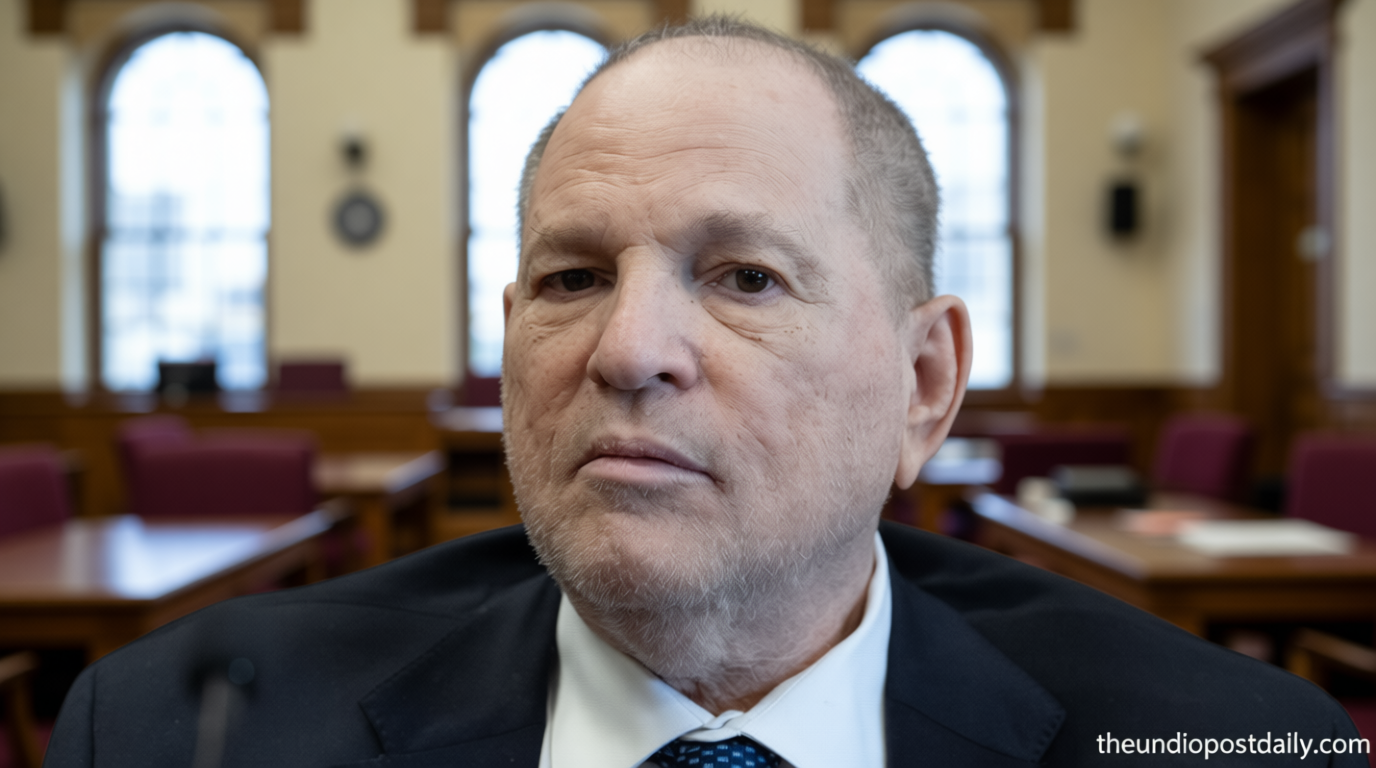
Harvey Weinstein’s Rape Charge Dropped by New York Prosecutors, Closing #MeToo Case
Theindiapostdaily.com – New York prosecutors have decided to drop the rape charge against former Hollywood producer Harvey Weinstein, signaling a significant shift in the ongoing legal battle tied to the #MeToo movement. This decision marks the end of one of the final unresolved allegations in Weinstein’s case, which has been a central part of the broader cultural reckoning against sexual misconduct. The move brings a sense of closure to the #MeToo-era trials, though it leaves room for continued discussion about the evidence and the legal process that shaped the outcome.
Legal Journey and the Dropped Charge
The rape charge against Harvey Weinstein stemmed from accusations by Jessica Mann, a hairstylist and actress who alleged he raped her in a Manhattan hotel room in 2013. This case was one of several that formed the foundation of Weinstein’s conviction in 2020, when he was found guilty on multiple counts of sexual assault. However, the rape charge was later dropped after prosecutors determined that there was insufficient evidence to support the conviction, a move that has sparked debate about the consistency of the legal standards applied in the #MeToo trials.
Despite the dismissal of the rape charge, Weinstein remains incarcerated for other sexual assault convictions in both New York and California. These charges, which include felony counts of sexual assault, carry longer prison sentences than the lesser penalty associated with the dropped rape count. The case highlights the nuanced legal distinctions between different levels of sexual misconduct, as well as the impact of procedural complexities on the final verdicts.
Jessica Mann’s Testimony and the Retrial Process
Jessica Mann’s testimony was pivotal in the initial conviction of Harvey Weinstein, but it also became a focal point during the retrial. Her account detailed a non-consensual encounter where Weinstein allegedly trapped her in a hotel room, disregarded her objections, and forced himself upon her despite her resistance. During the retrial, prosecutors closely examined her statements and personal notes, which she wrote after the incident. The process was emotionally taxing, with Mann expressing difficulty concentrating during one session, which led to the retrial ending in a stalemate.
Weinstein’s legal team has consistently argued that all interactions with accusers were consensual, emphasizing that many of the women involved were pursuing opportunities in the entertainment industry. This defense has been a recurring theme in his trials, with his attorneys contending that the legal process was biased and that the charges against him were based on subjective interpretations of consent. The retrial of the rape charge exemplifies the challenges of proving non-consensual acts in the context of evolving sexual misconduct standards.
The Broader #MeToo Movement and Its Impact
Harvey Weinstein’s case became a symbol of the #MeToo movement, which began in 2017 when a wave of women came forward with allegations of sexual harassment and assault. His downfall sparked global attention, leading to the prosecution of numerous high-profile figures in Hollywood and beyond. The rape charge against Weinstein, though dropped, was a critical component of this movement, as it demonstrated how sexual misconduct allegations could lead to significant legal consequences, even if the final verdicts were later revised.
The decision to dismiss the rape charge underscores the complexity of sexual misconduct cases, where evidence, testimony, and legal procedures play a crucial role in determining outcomes. While the #MeToo movement has brought widespread awareness to the issue of sexual harassment, it has also prompted discussions about the fairness of the legal system in handling such cases. The dropped charge serves as a reminder that even with strong public support, the court of law requires concrete evidence to sustain convictions.
Public Reaction and the Path Forward
The announcement of the dropped rape charge has elicited mixed reactions from the public and advocates for sexual assault survivors. Supporters of Weinstein argue that the decision reflects the strength of his legal defense and the need for evidence-based verdicts. Others, however, view it as a setback for the #MeToo movement, questioning whether the standard of proof for sexual misconduct has been compromised in the rush to hold powerful figures accountable.
Despite the dismissal, the broader legal case against Harvey Weinstein continues. His convictions on sexual assault charges in New York and California remain intact, ensuring that he will face the full consequences of those allegations. The rape charge, while no longer part of the legal proceedings, remains a key part of the narrative that has shaped public perception of Weinstein and the culture of sexual misconduct in Hollywood. As the case moves forward, the impact of this decision on future sexual assault trials will be closely watched.
Legacy of the #MeToo Movement
Harvey Weinstein’s case has left an indelible mark on the #MeToo movement, which has since expanded to address sexual harassment and assault in various industries. The movement’s success in holding Weinstein accountable, even if some charges were later dropped, has inspired countless others to speak out and seek justice. His story has become a rallying point for advocates, with the rape charge serving as a critical element in the broader narrative of systemic abuse in the entertainment world.
As the legal saga unfolds, the focus keyword “Harvey Weinstein’s rape charge” continues to resonate in discussions about the fairness of the trials. The decision to drop this charge raises questions about the balance between accountability and due process, offering a nuanced perspective on how sexual misconduct cases are adjudicated in the modern era. While the #MeToo movement has achieved significant milestones, the outcome of this case reinforces the importance of thorough legal scrutiny in shaping the legacy of justice for survivors of sexual assault.