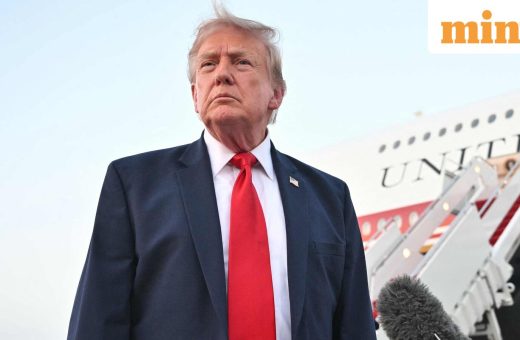
Donald Trump shot down JD Vance’s proposal to send Indian troops as peacekeepers in Ukraine, claims new book
Donald Trump Rejects JD Vance's Ukraine Peacekeeper Plan Donald Trump shot down JD Vance's proposal to send Indian troops as peacekeepers in Ukraine, as
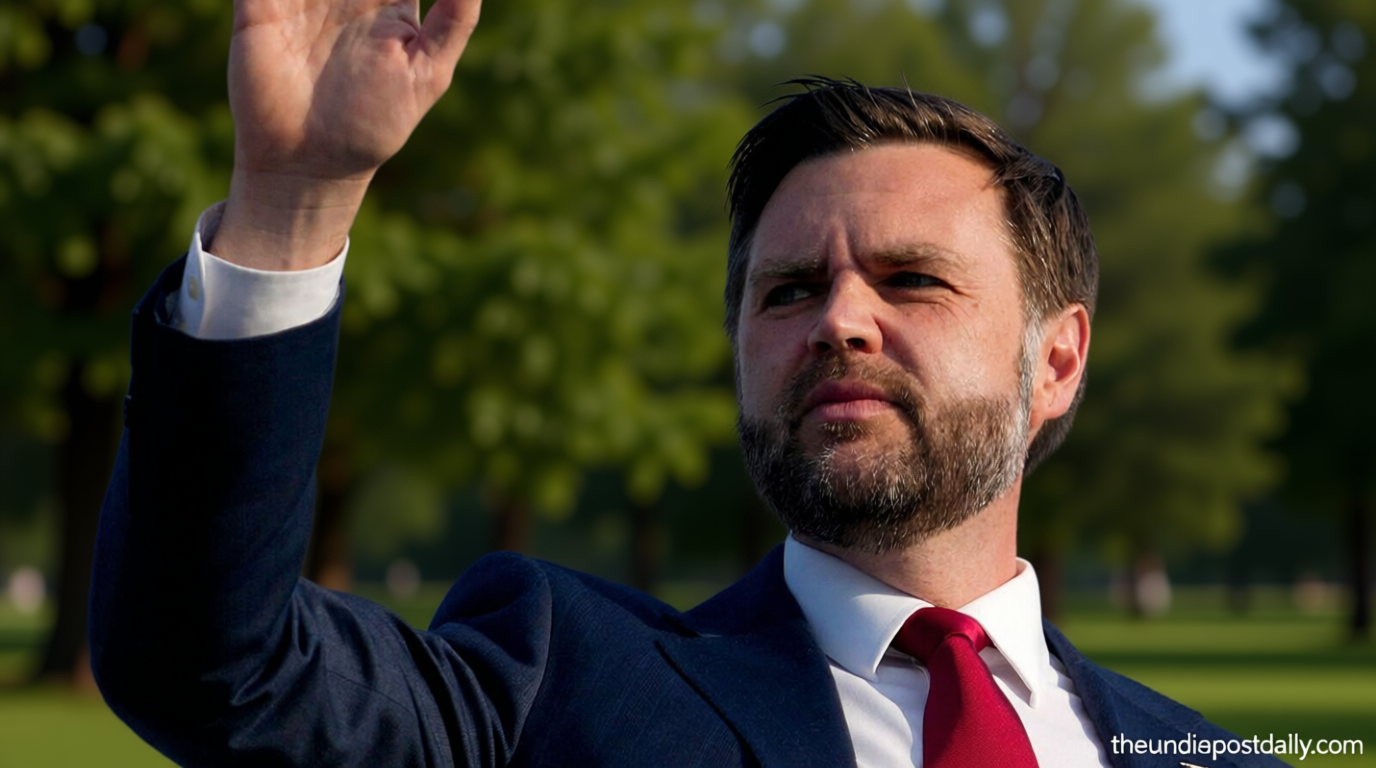
Donald Trump Rejects JD Vance’s Ukraine Peacekeeper Plan
Theindiapostdaily.com – Donald Trump shot down JD Vance’s proposal to send Indian troops as peacekeepers in Ukraine, as revealed in the new book *Regime Change: Inside the Imperial Presidency of Donald Trump* by Maggie Haberman and Jonathan Swan. The book claims the suggestion was part of a broader strategy to ease tensions in the Russia-Ukraine conflict during Trump’s second term. The idea emerged shortly after Trump’s inauguration in January 2025, when senior advisors debated potential diplomatic moves to secure a peace deal. Vance, then vice president, advocated for non-European forces to avoid escalating hostilities with Russia, highlighting India’s potential as a neutral actor.
Vance’s plan centered on deploying Indian military personnel to Ukraine, a move he argued would reduce reliance on NATO allies and prevent further provocation of Russia. According to the book, the proposal was discussed in an Oval Office meeting on January 30, 2025, where Trump’s administration considered various approaches to ending the war. Vance specifically mentioned India and Saudi Arabia as possible partners, but Trump responded with skepticism, dismissing the idea as impractical. The vice president’s suggestion was seen as a strategic attempt to leverage India’s economic influence and diplomatic standing in the region.
“The Indians won’t do that. They won’t pay for something like that,” Trump remarked during the meeting, as cited in the book. This comment reflected his frustration with India’s financial commitment to international military efforts, despite a strong personal relationship with Prime Minister Narendra Modi. The president’s reluctance to embrace the plan underscored his preference for direct, unilateral actions over collaborative initiatives.
The book also highlights the key figures present during the discussion, including Secretary of State Marco Rubio, Defence Secretary Pete Hegseth, and White House deputy chief of staff Stephen Miller. These advisors played a critical role in shaping the administration’s approach to the Ukraine conflict. While Vance’s proposal was met with dismissiveness, the authors suggest it was part of an effort to explore unconventional solutions. The decision to reject the plan may have influenced the pace of diplomatic negotiations and the role of non-NATO nations in the war effort.
Vance’s Strategic Vision for Ukraine
JD Vance’s proposal aimed to position India as a peacekeeping force in Ukraine, leveraging its geopolitical neutrality and financial resources. The vice president argued that India’s involvement could help stabilize the region without drawing Russia into a direct confrontation. However, Trump’s rejection of the plan highlighted his preference for Western alliances and his skepticism about India’s ability to commit to military operations. The authors of the book note that Vance’s idea was not only a strategic move but also a reflection of his belief in India’s growing global influence.
Despite Trump’s dismissal, the plan gained traction among some officials who saw India’s potential as a key player in the conflict. The idea of non-European peacekeepers was presented as a way to avoid the dominance of NATO in the war, which Trump had previously criticized. While the administration’s response to the proposal remains unclear, the book suggests that Vance’s initiative was a significant but overlooked step in the broader strategy for regime change in Ukraine.
Implications for US-India Relations
Trump’s rejection of JD Vance’s proposal may have strained US-India relations, particularly in the context of the broader Ukraine conflict. India’s financial support for Ukraine has been a point of contention, with Trump expressing frustration over the country’s hesitance to commit fully to military operations. The book details how this sentiment was echoed in his comments, suggesting that his administration viewed India as a reluctant partner in international affairs.
The incident underscores the challenges faced by US officials in aligning with Trump’s vision for foreign policy. While Vance’s plan was dismissed, it raises questions about the role of non-traditional allies in global conflicts. The book implies that Trump’s focus on unilateralism may have limited opportunities for collaborative strategies, even as the administration sought to stabilize the region. This decision could have long-term implications for how the US engages with countries like India in future international crises.