Ethanol blending is safe and globally accepted; use of E20 won’t invalidate vehicle insurance, says govt
Ethanol Blending is Safe and Globally Accepted, Government Says Theindiapostdaily.com – India's government has reaffirmed that ethanol blending is safe and globally accepted, ensuring that the use of E20 fuel…
Ethanol Blending is Safe and Globally Accepted, Government Says
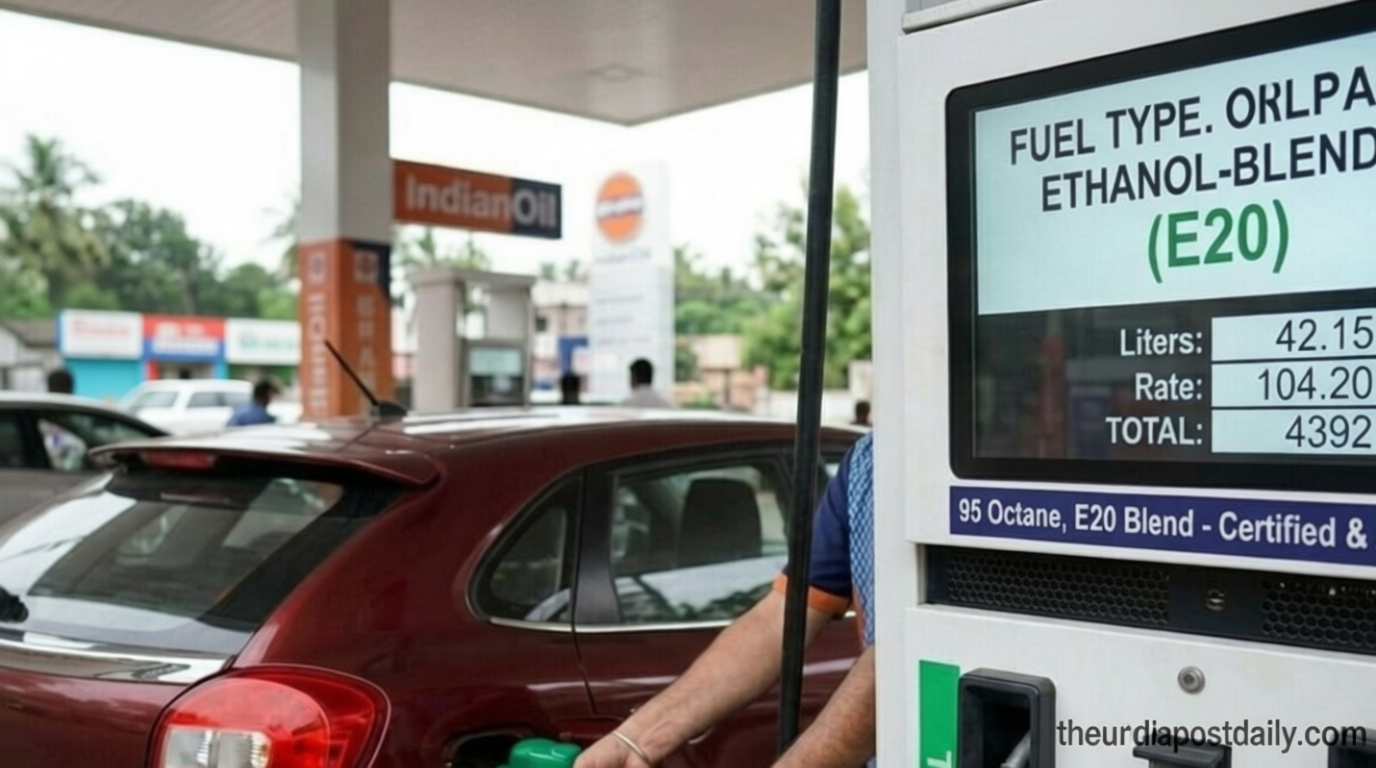
Theindiapostdaily.com – India’s government has reaffirmed that ethanol blending is safe and globally accepted, ensuring that the use of E20 fuel will not invalidate vehicle insurance claims. This clarification comes as part of ongoing efforts to address public concerns and promote the adoption of cleaner fuels. Ethanol Blended Petrol (EBP), which contains up to 20% ethanol, is now being used across the country as a sustainable alternative to conventional gasoline. The Ministry of Petroleum and Natural Gas has emphasized that ethanol blending is a well-established practice, with successful implementation in numerous countries such as the United States, Brazil, and Japan, all of which have demonstrated its viability in reducing emissions and enhancing energy security.
The government’s statement aims to dispel myths surrounding ethanol’s effects on vehicle performance and environmental impact. By introducing E20, India is taking a significant step toward achieving its renewable energy targets and reducing dependence on imported crude oil. This initiative aligns with global trends, as ethanol blending is increasingly recognized as an effective method to lower greenhouse gas emissions while maintaining the efficiency of internal combustion engines. Experts have confirmed that ethanol’s properties make it a suitable additive, and the scientific consensus supports its use in fuel.
Addressing Concerns About Ethanol Composition and Safety
One of the primary concerns raised online was the belief that ethanol blending directly mixes sugarcane juice with petrol. However, the ministry has clarified that this is not the case. Ethanol used in fuel is produced from various feedstocks, including molasses, broken rice, and maize, through industrial processes that ensure purity and consistency. These processes involve fermentation, distillation, and dehydration, resulting in a high-quality ethanol that meets international standards. The ministry has also noted that the final ethanol product is free from residual sugars, which are known to attract insects like ants.
“Ethanol used for fuel blending is produced through established industrial processes and conforms to stringent quality specifications,” the ministry said in an official communication. “There is no identifiable attractant in E20 fuel that would cause ants or other insects to gather near vehicle fuel caps.” This explanation counters claims that ethanol-based fuels are harmful to engines or cause unexpected ecological interactions. The government has further highlighted that the fuel is rigorously tested for compatibility with existing vehicle models, ensuring that it does not compromise performance or safety.
Scientific Validation of E20 Fuel Safety
The ministry has pointed to scientific studies and real-world data to validate the safety of E20 fuel. Research indicates that ethanol’s oxygenating properties help improve combustion efficiency, reduce carbon monoxide emissions, and enhance fuel octane ratings. Additionally, ethanol’s ability to mix seamlessly with petrol has been confirmed by industry experts, with no evidence of long-term damage to engine components. The viral video showing ants near a fuel tank, which sparked debate, has been attributed to the presence of residual sugars in the fuel, a concern the ministry has addressed by emphasizing the use of denaturants in the production process.
“E20 fuel is scientifically proven to be safe for all types of vehicles, including those manufactured before the introduction of ethanol blending,” stated the ministry. “Modern engines are designed to handle ethanol blends without any issues, and extensive testing has been conducted to ensure this.” The government has also mentioned that ethanol blending does not require modifications to existing vehicles, making it a cost-effective and accessible solution for consumers. This approach has been praised for its simplicity and alignment with global environmental goals.
Economic and Environmental Impact of Ethanol Blending
The Ethanol Blending Programme has not only contributed to India’s energy security but has also generated substantial economic benefits. By utilizing domestically produced ethanol, the country has saved over ₹1.4 lakh crore in foreign exchange, reducing reliance on imported crude oil. This has created a steady demand for agricultural raw materials, such as sugarcane and maize, thereby supporting rural economies and providing livelihoods to millions of farmers. Additionally, the programme helps lower carbon emissions, contributing to India’s commitment to achieving net-zero targets by 2070.
“Ethanol blending is a strategic move that aligns with India’s vision for sustainable development,” said an official. “It reduces the environmental footprint of transportation while promoting local industries.” The government has also noted that the programme is expected to create job opportunities in the ethanol production and distribution sectors, further strengthening the economy. As more vehicles are adapted to E20, the long-term benefits of reduced fossil fuel consumption and cleaner air quality will become increasingly evident.
Monitoring and Industry Collaboration
Since the introduction of E20 petrol, the government has worked closely with industry stakeholders to monitor its performance and address any issues. This includes collaboration with oil companies like Bharat Petroleum Corporation Limited (BPCL) and automobile manufacturers to ensure that all vehicles are compatible with the fuel. No widespread reports of engine failure or mechanical issues have been recorded, and the ministry has stated that the programme is being implemented with strict oversight.
“The Ministry of Petroleum and Natural Gas continues to monitor the programme’s progress and ensure that all standards are met,” the ministry added. “Regular checks are conducted to guarantee the quality and safety of ethanol-blended fuels.” This proactive approach has helped build consumer confidence and position ethanol blending as a reliable and eco-friendly option for the future of transportation.
With these measures in place, the government is confident that ethanol blending will not only support environmental sustainability but also enhance the resilience of India’s energy infrastructure. As the nation moves toward a greener future, the continued use of E20 fuel is expected to play a key role in reducing the carbon footprint of the transportation sector while maintaining the efficiency and reliability of vehicles.