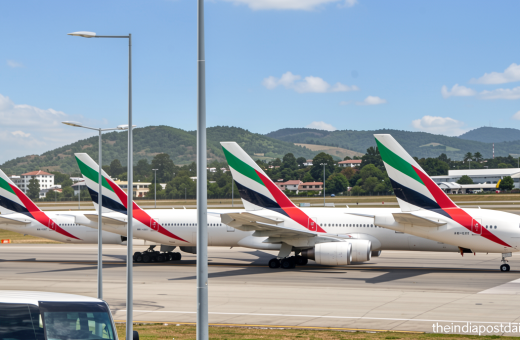
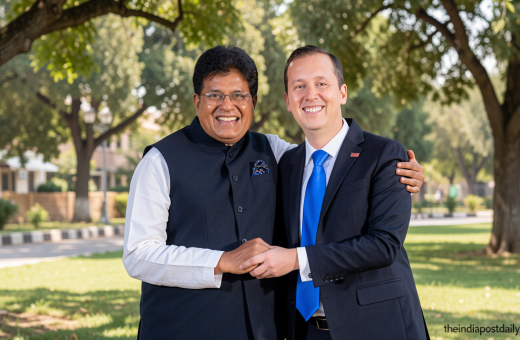
Ghalibaf says Tehran will administer the Strait of Hormuz; key waterway ‘will never go back to the way it was’
Ghalibaf: Tehran to Administer Hormuz Strait, No Return to Pre-War Status Ghalibaf says Tehran will administer the Strait - Iran’s parliament speaker
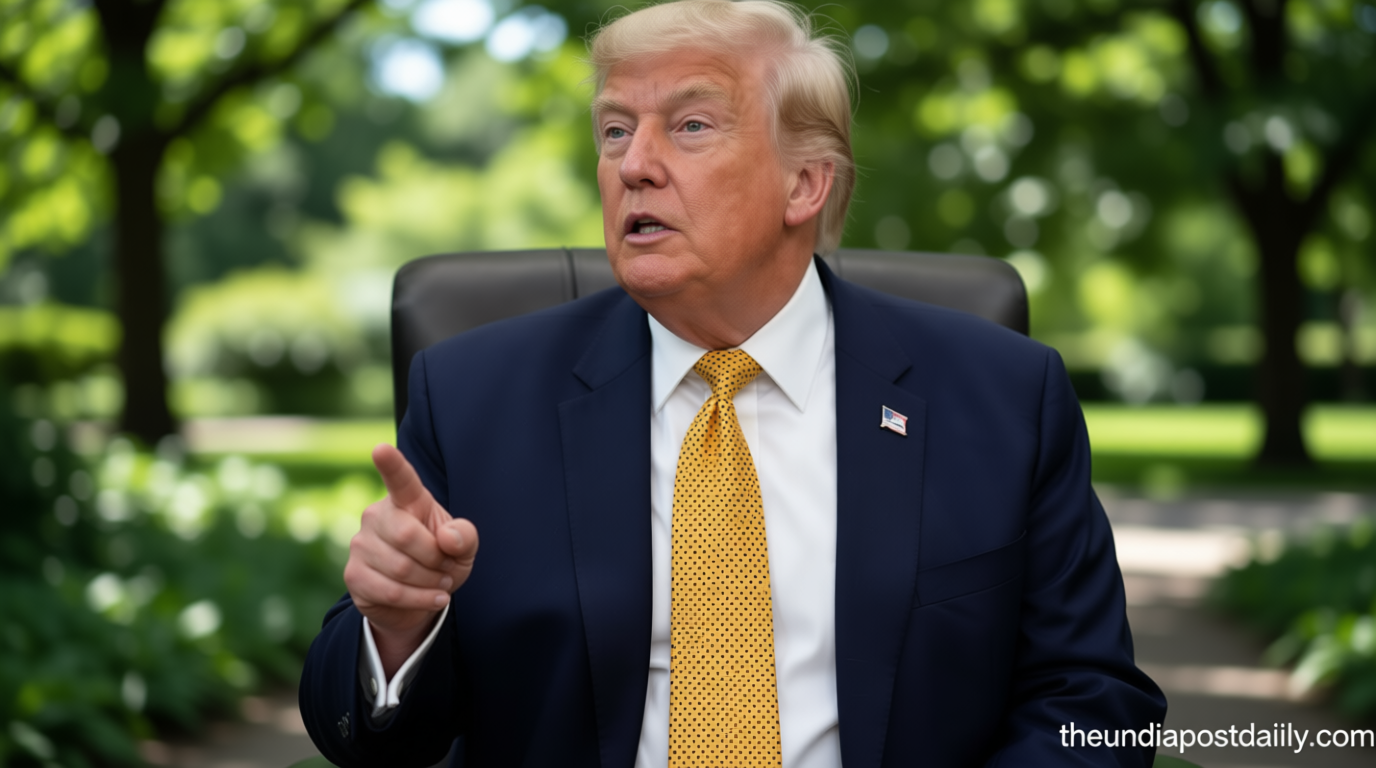
Ghalibaf: Tehran to Administer Hormuz Strait, No Return to Pre-War Status
Theindiapostdaily.com – Iran’s parliament speaker, Mohammad Bagher Ghalibaf, has reaffirmed that Tehran will maintain control over the Strait of Hormuz, declaring it will not revert to its prior state. In a statement following his recent visit to Switzerland, Ghalibaf emphasized that the strategic waterway, vital for global oil shipments, will be administered under Iran’s authority. His remarks underscored a shift in Iran’s approach to international diplomacy, as the nation seeks to secure its maritime interests through legal and political frameworks. The focus keyword, “Ghalibaf says Tehran will administer,” appears prominently in the opening, setting the tone for the article’s central theme.
“The Strait of Hormuz will never go back to the way it was,” Ghalibaf declared, highlighting Iran’s determination to shape the waterway’s governance. “We have made it clear that international regulations must be respected, but Iran will remain in control of this critical passage.” His comments, reported by Press TV, reflect the broader implications of the recent agreement between the United States and Iran, which has altered the geopolitical dynamics surrounding the strait. The deal, which includes sanctions relief and a ceasefire, marks a pivotal moment in Iran’s bid to assert dominance over its strategic maritime assets.
As part of the U.S.-Iran agreement, the administration of the Strait of Hormuz has been redefined to incorporate Iran’s influence. Ghalibaf, a key negotiator, argued that the waterway’s governance will now align with Iran’s national interests, ensuring it remains a cornerstone of the country’s economic and military strategy. The agreement also addresses the U.S. naval blockade, which was a major point of contention in previous negotiations. Ghalibaf stated that the easing of sanctions on Iranian oil is a direct result of Tehran’s ability to maintain control over the strait, a claim supported by AFP’s coverage of the diplomatic talks.
The Strategic Significance of Hormuz in Global Trade
The Strait of Hormuz is not only a critical artery for Iran’s oil exports but also a linchpin for global energy markets. With approximately 20% of the world’s oil passing through the waterway daily, its administration carries profound economic and strategic weight. Ghalibaf’s assertion that Iran will administer the strait signals a broader shift in the country’s foreign policy, positioning it as a key player in maritime security. This decision has drawn attention from international observers, who are closely monitoring how Iran will leverage its control to influence trade routes and regional stability.
During the talks, Ghalibaf reiterated that the U.S.-Iran agreement is a testament to Iran’s ability to negotiate on equal footing. He noted that the administration of the strait is a symbol of Iran’s resilience and diplomatic acumen, crediting the nation’s “method of struggle” as the driving force behind the deal. The speaker also linked the resolution of the blockade to Iran’s strategic gains, stating, “Ghalibaf says Tehran will administer the strait of Hormuz as a clear demonstration of our strength and resolve.” This sentiment underscores the importance of the waterway in Iran’s vision for a more secure and influential position in the region.
Trump’s Commitment to Nuclear Deterrence
U.S. President Donald Trump reinforced his administration’s stance on Iran’s nuclear ambitions during the signing of executive orders at the White House. While the agreement with Iran includes temporary sanctions relief, Trump emphasized that Tehran’s commitment to allowing UN nuclear inspectors back into the country is a critical condition. His comments, echoing the focus keyword, “Ghalibaf says Tehran will administer,” highlighted the U.S. desire to ensure Iran’s compliance with international norms. “We will not allow Iran to develop nuclear weapons, even if it means economic consequences,” Trump stated, signaling a continued U.S. effort to counter Iran’s strategic advancements.
“The administration of the strait is a part of a larger picture of Iran’s plans to dominate the region,” Trump added, underscoring the link between maritime control and nuclear proliferation. “If Iran fails to meet its obligations, we will take necessary steps to protect our interests.” This declaration, paired with the focus keyword, reflects the U.S. strategy of combining diplomatic concessions with a firm commitment to counter Iran’s growing influence. Ghalibaf’s emphasis on Tehran’s control over Hormuz has been a recurring theme in both nations’ negotiations, with the waterway serving as a focal point for geopolitical power.
The agreement’s implications extend beyond immediate sanctions relief, affecting Iran’s long-term economic and military objectives. Ghalibaf outlined that the administration of the Strait of Hormuz will ensure Iran’s ability to project power in the Persian Gulf, a goal he linked to the country’s recent military successes. By securing the waterway’s control, Iran aims to solidify its position as a regional leader, a vision that has been reinforced by the focus keyword, “Ghalibaf says Tehran will administer.” The speaker also noted that the deal represents a victory for Iran’s diplomatic strategy, allowing it to maintain sovereignty while addressing international concerns.
Analysts have pointed to the significance of Ghalibaf’s remarks in shaping the future of the Strait of Hormuz. The waterway’s administration is now seen as a tool for Iran to assert influence over global energy flows, a move that could reshape the balance of power in the region. While the agreement brings temporary relief, the focus keyword, “Ghalibaf says Tehran will administer,” remains central to Iran’s long-term strategy. The speaker’s comments suggest that the strait will not only serve as a logistical asset but also as a symbol of Iran’s geopolitical ambitions. This dual role positions the strait as a battleground for international influence and a cornerstone of Iran’s strategic vision.