Should I give my 11-year-old kid a smartphone? I asked ChatGPT: AI asks me to look for these 5 signals first
Should I Give My 11-Year-Old a Smartphone? 5 Behavioral Clues to Consider Theindiapostdaily.com – Parents across the globe often ask themselves, “Should I give my 11-year-old a smartphone?” This question…
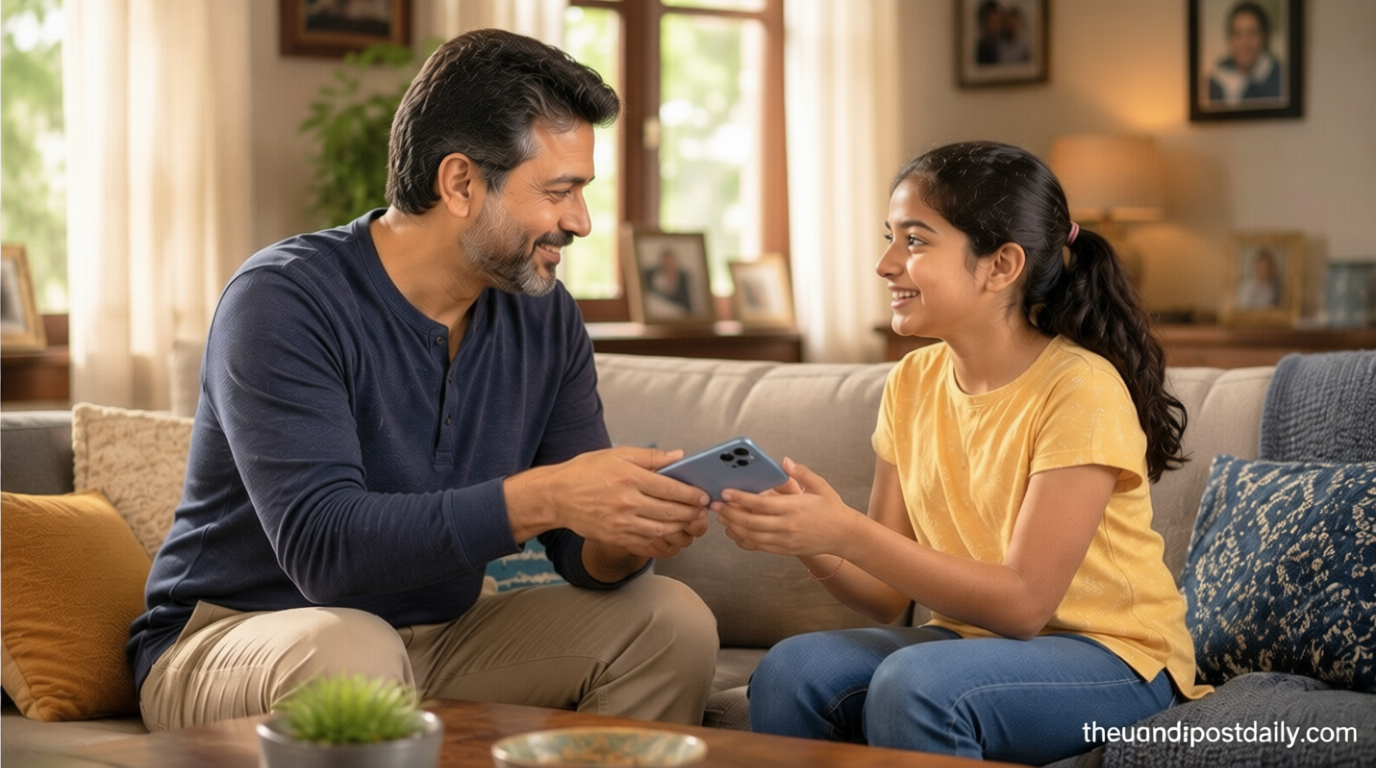
Should I Give My 11-Year-Old a Smartphone? 5 Behavioral Clues to Consider
Theindiapostdaily.com – Parents across the globe often ask themselves, “Should I give my 11-year-old a smartphone?” This question has become increasingly relevant as children grow up in a digitally connected world. A parent in Bengaluru recently turned to ChatGPT for guidance, seeking clarity on when their child would be ready for a personal mobile device. The child is currently enrolled in an international school, uses a school laptop, and has limited access to YouTube and WhatsApp through parental oversight. With peers already having smartphones and the desire for independence, the parent wants to know the best criteria to evaluate readiness.
Understanding Developmental Readiness
ChatGPT’s analysis reveals that the decision hinges more on a child’s maturity than their technical skills. At 11, the focus should shift from whether the child can handle a smartphone to whether they can manage its impact. The AI recommends a phased approach to gradually introduce the device: shared access, a communication tool, and a personal device. Most children achieve the final stage between 12.5 and 14 years, depending on individual development.
“The short answer for most parents: avoid buying an unrestricted smartphone for an 11-year-old. Move through stages instead,”
the AI advised, emphasizing the importance of intentional integration.
Five Key Behavioral Signals
Instead of prioritizing screen time, the AI highlighted five behavioral signals to assess readiness. These include: whether the child returns devices without resistance, their ability to endure boredom without immediate screen reliance, their handling of peer pressure, openness about technology use, and acceptance of limits without frequent pushback. Parents should look for consistency in these areas before considering a smartphone. If three or more habits are lacking, the AI suggests delaying the decision.
For example, an 11-year-old who consistently resists giving up their phone or becomes anxious without it may not be ready. Conversely, a child who uses devices purposefully, such as for homework or communication, and follows boundaries without argument, demonstrates better readiness. These signals help parents align the device with the child’s developmental stage.
Choosing the Right Device
When selecting a device for an 11-year-old, the AI recommends starting with a smartwatch or calling watch. These offer location tracking and minimal addictive potential, scoring highly for appropriateness. A basic phone, with no access to apps or algorithms, is even more effective, promoting intentional use. However, it may face social resistance if peers have smartphones. The AI suggests waiting until secondary school for a personal phone, ensuring the child has shown clear self-regulation.
For those who opt for a smartwatch, models like the Fitbit Ace 3 or Garmin Venu 2 Kids are popular choices. They combine functionality with safety features, allowing parents to monitor activity and location without the distractions of social media or gaming. Basic phones like the Nokia 3310 or Samsung Galaxy J2 are also viable, offering simplicity and reliability for younger users.
Establishing Boundaries and Rules
Clear boundaries are crucial to prevent overuse of a smartphone. The AI advised keeping the device out of the bedroom and prohibiting its use during meals. Parents should know the passcode and control app downloads, ensuring the child doesn’t access potentially addictive content. Social media should be introduced separately and later, with weekly screen-free days non-negotiable. School activities always take precedence over recreational screen time, with weekly limits of 60–90 minutes and weekend allowances of 2–3 hours.
Overnight charging in a common area can also help maintain sleep quality. These rules create a structured environment, allowing parents to monitor usage while fostering independence. For instance, a child who follows the rules without constant reminders shows greater readiness for a smartphone, while frequent pushback indicates the need for further preparation.
Revisiting the Decision
ChatGPT urged parents to delay the purchase of a personal smartphone until the child has demonstrated consistent self-regulation. Revisiting the decision in 12–18 months provides an opportunity to reassess based on the child’s growth and behavior. During this time, parents can reinforce boundaries, explore alternative devices, and ensure the child understands the responsibilities of smartphone ownership.
This approach allows for flexibility and adaptability. If an 11-year-old shows strong self-discipline and purposeful use of technology, a smartphone may be introduced earlier. However, if distractions persist or independence is still developing, waiting a bit longer ensures a smoother transition. Ultimately, the goal is to balance technological access with the child’s ability to manage it effectively.
Final Thoughts
The AI’s advice underscores that the question “Should I give my 11-year-old a smartphone?” is not about the child’s capability but their readiness to handle the consequences. By observing behavioral signals, choosing the right device, and establishing clear boundaries, parents can make informed decisions. For now, a smartwatch or basic phone better suits the needs of an 11-year-old, allowing them to stay connected without the full responsibilities of a personal smartphone.