Why Keir Starmer really resigned as UK Prime Minister?
Keir Starmer’s unexpected resignation as UK Prime Minister has
Why Keir Starmer Really Resigned as UK Prime Minister?
Theindiapostdaily.com – Keir Starmer’s unexpected resignation as UK Prime Minister has sent ripples through the political landscape, raising questions about the motivations behind his decision. The Labour leader, who assumed office in July 2024, announced his departure on Monday, signaling the start of a high-stakes leadership contest within his party. This move not only underscores internal divisions but also highlights the challenges of maintaining a cohesive vision amid shifting public sentiment and economic pressures. The focus keyword “Why Keir Starmer really resigned” has become central to discussions about the future of British governance and the Labour Party’s trajectory.
Leadership Transition and Party Dynamics
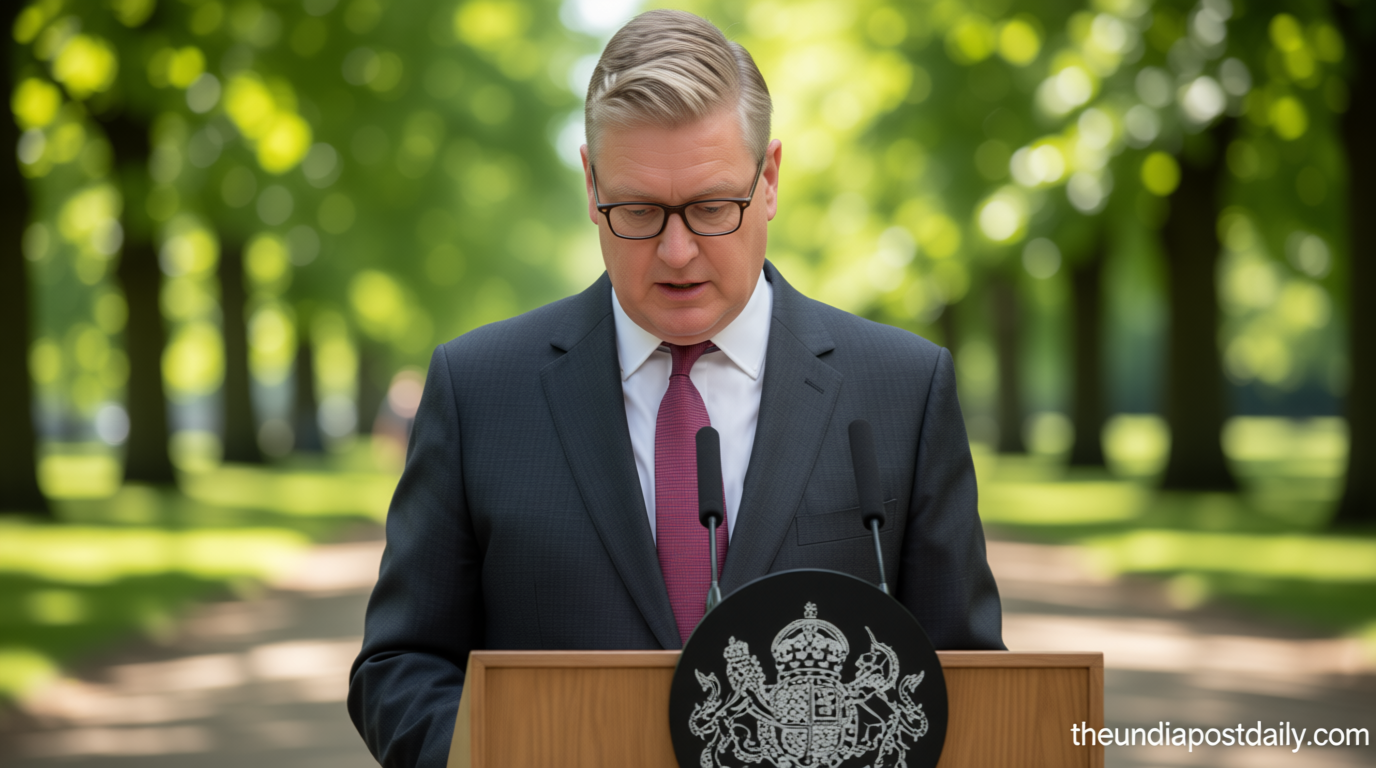
Starmer’s resignation was prompted by a perceived lack of support within the Labour Party, a trend that has persisted despite his efforts to stabilize the government. The former leader informed King Charles III of his decision, paving the way for a new figure to step into the role of prime minister. His commitment to a seamless handover was evident in his statement,
“I will remain in post as prime minister until the contest is complete, and I will do everything I can to ensure an orderly handover of power.”
This emphasis on continuity was intended to reassure both the public and the party’s base that the transition would not destabilize the nation’s governance.
The growing pressure on Starmer intensified following Labour’s underwhelming performance in the May local and regional elections. These results exposed vulnerabilities in the party’s strategy, particularly in key constituencies. His rival, Andy Burnham, capitalized on this momentum by securing a parliamentary seat in Makerfield, northwest England, in a by-election held on Thursday. This victory has further amplified expectations of a leadership challenge, with Burnham now poised to enter the Westminster fray on Monday, as reported by AFP.
Political Instability and Leadership Challenges
Starmer’s departure marks the sixth leadership change in the Labour Party since the Brexit referendum, reflecting a period of relentless political turbulence. The rapid turnover of leaders has been unprecedented in recent British history, with each transition bringing new uncertainties. This instability is compounded by the party’s struggles to address pressing issues such as economic stagnation, strained public services, and the complexities of immigration policy, which have eroded public confidence.
Political analysts note that Burnham, a seasoned figure within Labour, may emerge as the most likely candidate to replace Starmer. His communication skills and policy focus on cost-of-living relief have positioned him as a strong contender. However, former health minister Wes Streeting, who has not yet confirmed his candidacy, could introduce complications. Labour’s rules require the party leader to be an elected member, adding procedural hurdles to the contest. As the process unfolds, the question of “Why Keir Starmer really resigned” will remain a focal point for observers and voters alike.
Market Reactions and Economic Implications
Financial markets reacted with relative calm to Starmer’s resignation, with the British pound and UK government bonds showing minimal fluctuations. Investors had anticipated the leadership shift, as noted by Sky News, but the broader economic implications remain a topic of debate. While the immediate impact on markets appears muted, the uncertainty surrounding the new leader’s policies could affect long-term investor confidence. The Labour Party’s ability to navigate this transition without alienating its base will be critical in preserving the government’s stability.
Analysts suggest that Starmer’s resignation may also reflect a strategic move to prioritize the party’s long-term interests over short-term political survival. His statement emphasized a commitment to national interests, stating,
“Every decision I have taken has been about putting the country I love first. That is why I will resign as leader of the Labour Party.”
This framing shifts the narrative from personal failure to a calculated decision aimed at securing a stronger mandate for the next election. However, the success of this approach will depend on how effectively the party unites behind the new leader and rebuilds its appeal to voters.
Public Sentiment and Electoral Uncertainty
Public reactions to Starmer’s resignation have been mixed, with some supporters expressing disappointment and others viewing it as a necessary step for the party’s revival. The media has been abuzz with speculation about the next Labour leader, and the upcoming contest is expected to be a pivotal moment for the party’s future. For voters, the question of “Why Keir Starmer really resigned” will likely influence their perception of the Labour Party’s ability to deliver on promises of economic reform and social welfare.
As the Labour Party prepares for its leadership race, the focus will remain on whether the new leader can address the challenges that Starmer’s tenure highlighted. The coming weeks will test the party’s cohesion, with potential candidates vying to present a compelling vision for the UK’s direction. The answer to “Why Keir Starmer really resigned” may ultimately shape the next phase of British politics, determining whether the Labour Party can reclaim its former strength or face prolonged setbacks.