Quote of the Day by Chinua Achebe: ‘There is moral obligation…not to ally oneself with power against the powerless’
Chinua Achebe’s powerful quote of the day continues to
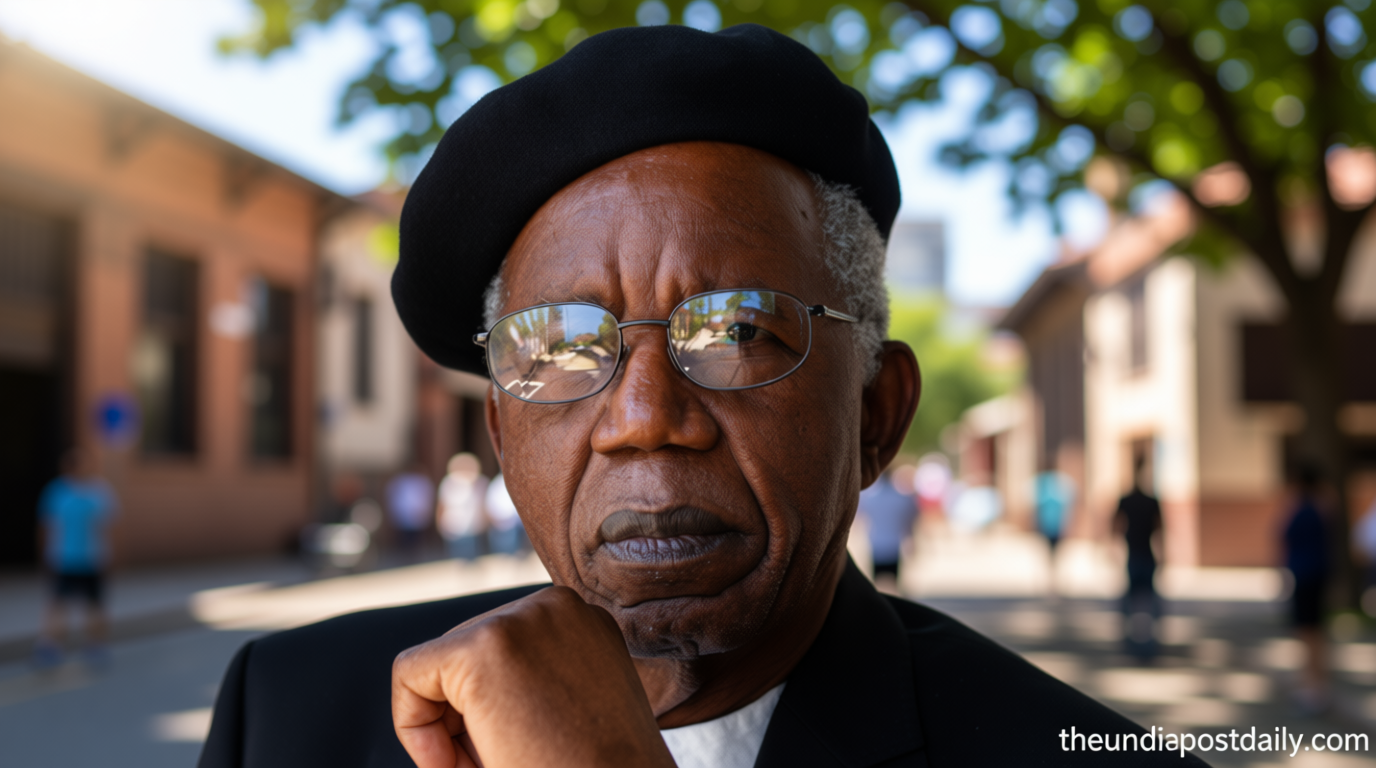
Quote of the Day by Chinua Achebe: Moral Obligation to Oppose Power
Theindiapostdaily.com – Chinua Achebe’s powerful quote of the day continues to resonate with readers and writers worldwide:
“There is moral obligation not to ally oneself with power against the powerless.”
This statement, delivered in a 1958 speech, encapsulates Achebe’s belief that writers must champion the marginalized and question dominant forces. As a Nigerian author and literary icon, Achebe positioned himself as a voice for the voiceless, using his work to challenge colonial narratives and highlight the struggles of African societies.
The Rhetoric of Power and the Writer’s Role
Achebe’s quote of the day reflects his deep conviction that literature carries an ethical responsibility to confront injustice. He framed the “power” in his quote as any system or authority that suppresses the vulnerable, whether through political control, cultural hegemony, or social stratification. By urging writers to take sides with the powerless, Achebe emphasized that art should not merely reflect the status quo but actively participate in shaping a more just world.
In the context of post-independence Nigeria, Achebe’s words carried particular weight. The 1950s and 1960s saw rapid political changes, with Western ideals often imposed on African cultures. Achebe argued that writers must resist this cultural erosion, ensuring their work remains rooted in the lived experiences of ordinary people. This ethos is evident in his seminal novel Things Fall Apart, which portrays the complexities of Igbo society before colonialism, challenging the notion that African traditions were inherently primitive.
Biographical Foundations and Literary Contributions
Chinua Achebe, born in 1930 in Ogidi, Nigeria, emerged as a central figure in African literature. His academic background in English and literature, combined with a passion for storytelling, shaped his ability to weave cultural narratives into powerful critiques of power. After graduating from University College, Ibadan, in 1953, Achebe devoted himself to writing, believing that literature could preserve and celebrate African heritage while addressing contemporary issues.
The quote of the day is part of a broader philosophical framework Achebe developed throughout his career. In his 1960 novel No Longer at Ease, he explores the moral dilemmas faced by individuals in a society grappling with colonial legacies. Similarly, Arrow of God (1964) delves into the tension between tradition and modernity, illustrating how power structures often marginalize those who resist change. These works, alongside his essays, underscore Achebe’s commitment to using language as a tool for social justice.
Achebe’s quote of the day also aligns with his advocacy for African voices in global discourse. In 2007, he received the Man Booker International Prize for his lifetime contributions to literature, a testament to his enduring influence. He often spoke about the importance of authenticity in storytelling, insisting that African narratives must be told with integrity to counteract centuries of Western misrepresentation. This principle remains central to his legacy, inspiring a new generation of writers to amplify underrepresented perspectives.
Today, Achebe’s words are invoked in discussions about media bias, political activism, and cultural representation. The phrase “moral obligation not to ally oneself with power against the powerless” has become a rallying cry for those advocating for equity in journalism, advocacy, and creative fields. By framing the writer as an ethical actor, Achebe challenges the idea that art is neutral, instead positioning it as a force capable of dismantling oppressive systems.
The Broader Implications of Achebe’s Philosophy
Achebe’s quote of the day extends beyond literature to encompass broader societal responsibilities. He believed that writers, as observers and participants, must use their platforms to shed light on inequalities and injustices. This idea resonates in modern movements, where storytelling is a vital tool for mobilizing public opinion and fostering empathy. From social media activism to documentary filmmaking, the call to support the marginalized echoes Achebe’s vision of art as a weapon for change.
Moreover, Achebe’s emphasis on moral obligation challenges readers to reflect on their own complicity in systems of power. In a world where information is often weaponized, his quote serves as a reminder that writers must prioritize truth and justice over convenience or popularity. This philosophy is not only relevant to African literature but also to global conversations about ethical storytelling, media ethics, and the role of the artist in society.
As we revisit Achebe’s quote of the day, it becomes clear that his message remains urgent. His works, such as Anthills of the Savannah (1987), continue to explore themes of identity, power, and resistance, proving that his ideas transcend time. By championing the powerless, Achebe laid the groundwork for a literary tradition that values marginalized voices, ensuring that his quote of the day remains a cornerstone of ethical writing and social consciousness.