Vance, Sharif arrive in Switzerland to launch talks with Iranian officials on Tehran’s nuclear program | 5 points
Vance and Sharif’s arrival in Switzerland marks a pivotal moment in
Vance and Sharif Begin Nuclear Talks in Switzerland
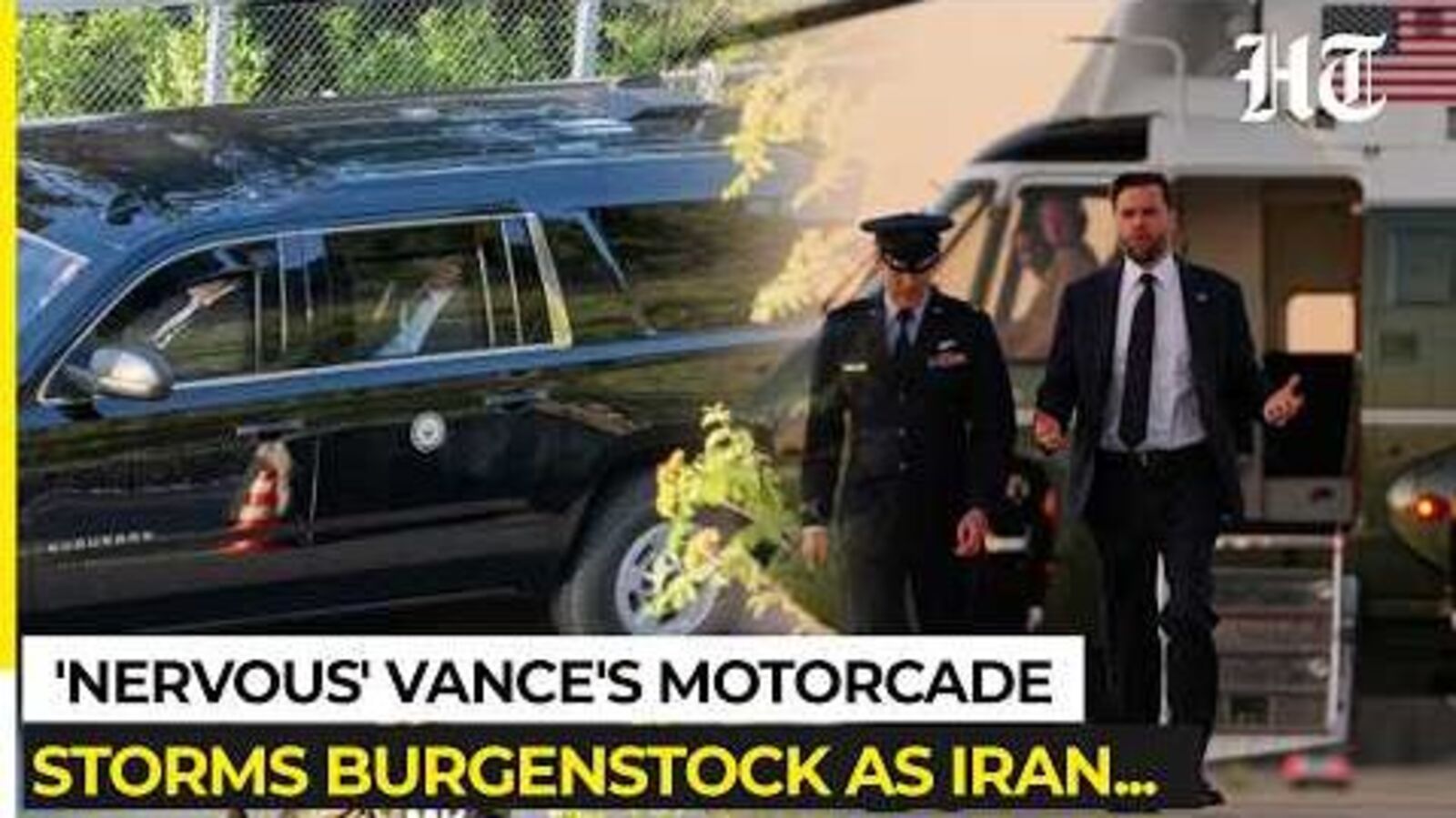
Theindiapostdaily.com – Vance and Sharif’s arrival in Switzerland marks a pivotal moment in the ongoing nuclear negotiations with Iran. U.S. Vice President JD Vance and senior Iranian officials, including Iranian parliamentary speaker Mohammad Bagher Qalibaf and Foreign Minister Abbas Araghchi, landed in the country on Sunday to initiate critical discussions on Iran’s nuclear program. This move follows a preliminary agreement signed last week, which aims to address security concerns and ease economic pressures. The talks, held at a secluded mountain resort near Lucerne, are expected to shape the future of Iran’s nuclear ambitions and its relationship with the international community. Vance and Sharif’s presence underscores the urgency of the situation as diplomats seek to bridge longstanding differences.
Participants and the Strategic Context
The delegation includes not only Iranian officials but also Pakistani Prime Minister Shehbaz Sharif, who is playing a key role in the negotiations. Sharif’s involvement highlights the complex web of alliances and regional dynamics at play. His military chief has joined the talks, emphasizing Pakistan’s commitment to maintaining stability in the Middle East. Meanwhile, the U.S. delegation is led by Vice President Vance, who has been a vocal advocate for diplomatic engagement. The talks are part of a broader effort to secure a deal that balances Iran’s nuclear capabilities with global security interests. This framework is intended to pave the way for a final agreement within a 60-day timeline.
The Swiss setting is symbolic, as the country has long served as a neutral ground for diplomatic negotiations. The choice of location reflects the desire to create an environment free from political bias. The discussions will focus on Iran’s nuclear program, including its stockpile of enriched uranium, the closure of the Strait of Hormuz, and the terms of oil exports. Vance and Sharif’s collaboration is seen as a crucial step toward resolving the crisis, with both leaders aiming to secure a deal that aligns with their national interests while addressing international concerns.
Challenges and Escalating Tensions
Despite the optimism surrounding the talks, challenges persist. Just days before the Swiss summit, tensions escalated in Lebanon as Israel launched strikes against Iranian-backed Hezbollah, reigniting fears of regional conflict. Iran’s military also intensified the situation by declaring the closure of the Strait of Hormuz, a critical chokepoint for global oil and gas trade. This move raised concerns about potential disruptions to energy markets and the impact on economies reliant on Middle Eastern oil. However, U.S. Central Command has countered Iran’s claims, asserting that commercial vessels continue to navigate the strait without hindrance. Vance and Sharif’s arrival in Switzerland is meant to de-escalate these tensions and focus on a diplomatic resolution.
“The flow of oil through the strait remains uninterrupted,” Vance emphasized during the press briefing. “This agreement will ensure that Iran’s nuclear program is monitored effectively while maintaining the stability of global energy supplies.”
Global Economic and Security Implications
The agreement’s terms are designed to reassure financial markets that the Iran conflict will not spiral into a prolonged economic crisis. Iran is allowed to freely sell oil and access its frozen assets, which could provide much-needed relief to its economy. However, the deal also requires Iran to reduce its enriched uranium stockpile, a key step toward curbing its nuclear capabilities. The 60-day window offers flexibility, allowing both sides to adjust terms and address concerns. Switzerland’s role as a neutral mediator is vital, as the country has positioned itself to facilitate dialogue and maintain trust between the two delegations. Vance and Sharif’s collaboration is expected to set the stage for a lasting agreement.
The success of these talks hinges on the ability to negotiate a framework that satisfies both the U.S. and Iran. While the interim deal provides a foundation, it also leaves room for future disputes. For instance, Iran’s potential to impose fees on ships passing through the Hormuz Strait could create new points of contention. Additionally, the economic provisions of the agreement may be tested if Iran’s oil production remains robust. Vance and Sharif’s meeting in Switzerland is a critical opportunity to solidify the deal and ensure that both nations are committed to its terms. The stakes are high, as a failure to reach a consensus could lead to further diplomatic rifts or even military escalation.
Political Criticism and the Road Ahead
President Trump and Vice President Vance have faced criticism from within their own party for the agreement’s perceived leniency. Some hardliners argue that the deal does not adequately constrain Iran’s nuclear ambitions, drawing comparisons to the Obama-era Joint Comprehensive Plan of Action (JCPOA). They warn that the current terms could allow Iran to continue developing its nuclear capabilities without full oversight. However, Vance and his allies contend that the agreement is a necessary compromise to prevent a broader conflict. The Swiss talks are seen as a chance to refine the deal and address these concerns. If successful, the agreement could mark a significant shift in U.S.-Iran relations and set a precedent for future negotiations.
As Vance and Sharif engage in dialogue, the international community watches closely. The nuclear program has long been a flashpoint, with Iran’s enrichment activities raising alarms about the potential for weapons development. The Swiss venue offers a quiet setting for productive discussions, but the outcomes will depend on the willingness of both sides to make concessions. With the 60-day window approaching, the negotiations must move swiftly to avoid further uncertainty. The arrival of Vance and Sharif in Switzerland is not just a political event—it is a strategic move to secure a deal that could shape the future of global energy and security policies.