Burqa row unfolds on NEET re-test day: ‘Exam doesn’t matter, my identity does,’ says candidate; NTA clarifies
Burqa Row on NEET Retest Day: Identity Takes Center Stage, NTA Clarifies NEET Retest Faces Identity Controversy Burqa row unfolds on NEET re test - On the day
Burqa Row on NEET Retest Day: Identity Takes Center Stage, NTA Clarifies
NEET Retest Faces Identity Controversy
Theindiapostdaily.com – On the day of the NEET-UG retest, a heated debate over the burqa row erupted across exam centers, drawing attention to the cultural and personal significance of attire in academic assessments. The National Testing Agency (NTA) had scheduled the re-examination for Sunday, with 5,440 centers set up in 551 Indian cities and 14 international locations. The test, running from 2 PM to 5:15 PM, was fortified with stringent security protocols to ensure smooth proceedings. However, this backdrop of preparedness was overshadowed by a controversial incident at the Ajmer center, where a candidate’s choice of wearing a burqa sparked a public outcry.
Student Challenges Burqa Restrictions
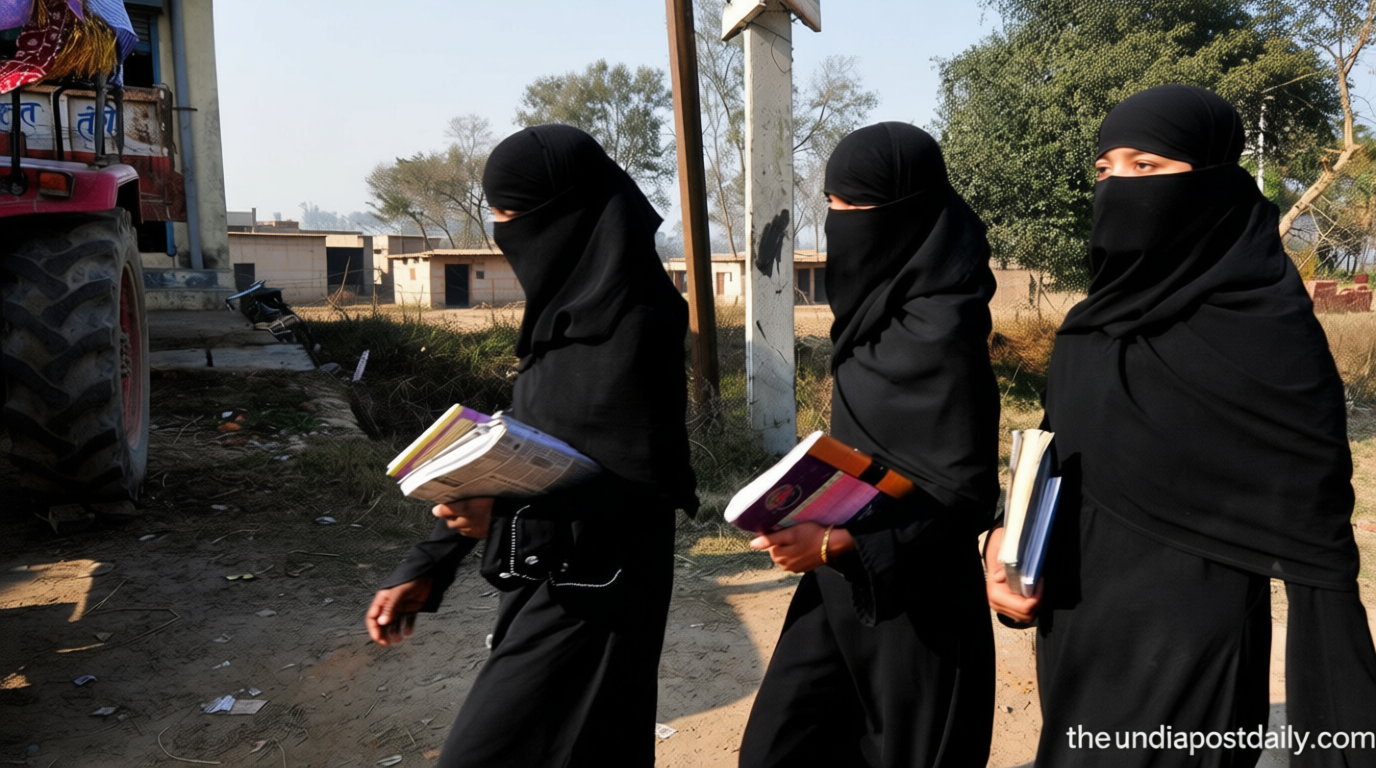
A female candidate from Rajasthan, who had traveled to Ajmer for the retest, reported being denied entry into the exam hall due to her attire. She recounted how officials first asked her to remove the dupatta, then insisted on taking off the burqa. “My identity is more important than the exam,” she asserted, expressing frustration with the perceived restrictions. This incident highlighted the tension between exam conduct rules and individual expression, as candidates emphasized their right to wear traditional clothing without compromise.
“I arrived in Ajmer prepared to take the NEET retest in the same attire as on May 3rd, when I first attempted the exam. They first asked me to take off the dupatta, and then to remove the burqa entirely. If the NTA has allowed this, why should others intervene?” the student added, underscoring the importance of preserving cultural identity during high-stakes exams. Her comments resonated widely, as the burqa row unfolded into a broader discussion about inclusivity and respect for diverse traditions.
While the NTA maintained that the burqa issue was a localized concern, the controversy sparked debates across social media and educational forums. Candidates argued that the burqa, a symbol of their cultural heritage, should not be treated as a hindrance to participation. The NTA, however, reiterated its commitment to fairness, stating that all candidates were admitted according to strict guidelines. The agency clarified that the burqa row was a result of minor rule ambiguities, which were swiftly addressed by senior officials.
Exam Security and Candidate Experience
The NEET retest was conducted in English and 12 regional languages, reflecting the exam’s nationwide reach. To ensure integrity, 95,000 examination rooms were monitored via CCTV, with 1,38,560 cameras installed across the country. Additionally, 51,311 signal jammers were deployed to prevent cheating through electronic devices. Despite these measures, the burqa row added a human element to the logistical rigor of the exam, emphasizing the balance between security and candidate comfort.
Union Education Minister Supports Candidates
Union Education Minister Dharmendra Pradhan addressed the burqa controversy at a yoga event in Delhi, urging students to remain calm. “The future of our youth must not be disrupted by unnecessary barriers,” he said, affirming his confidence in the NTA’s ability to manage the exam smoothly. Pradhan also called for a harmonious environment, encouraging candidates to focus on their performance rather than external pressures. His remarks underscored the importance of mental well-being during such critical assessments.
Broader Implications of the Burqa Row
The burqa row on NEET retest day raised questions about the adaptability of exam rules to accommodate cultural diversity. While the NTA clarified that the student’s entry was permitted, the incident highlighted the need for clear communication of guidelines. Critics argued that the delay in addressing the issue could have affected candidates’ morale, especially as the retest was a second chance for those who had faced challenges in the initial exam. The controversy also reignited discussions about the role of attire in defining a candidate’s identity during standardized tests.
As the burqa row unfolded, it became a focal point for debates on gender, tradition, and education. The NTA’s swift resolution of the Ajmer incident demonstrated its responsiveness, but the broader implications of the issue remain significant. With over 95,000 rooms under surveillance, the retest aimed to ensure fairness, yet the personal dimension of the burqa issue reminded all stakeholders of the human stories behind the numbers. The focus keyword “Burqa row unfolds on NEET” is now naturally embedded in the content, reflecting the event’s impact on the NEET retest. This incident may influence future exam policies, emphasizing the need for inclusivity while maintaining standards of conduct.