US-Iran peace deal news LIVE: Talks on permanent ceasefire set to begin in Switzerland; Tehran says Hormuz closed again
US-Iran Peace Deal Talks Begin in Switzerland Amid Hormuz Dispute Theindiapostdaily.com – The long-awaited peace negotiations between the United States and Iran kicked off in Switzerland on Sunday, marking a…
US-Iran Peace Deal Talks Begin in Switzerland Amid Hormuz Dispute
Theindiapostdaily.com – The long-awaited peace negotiations between the United States and Iran kicked off in Switzerland on Sunday, marking a pivotal moment in resolving the ongoing standoff. With tensions flaring over the Iranian government’s announcement of closing the Strait of Hormuz again, the talks aimed to establish a permanent ceasefire and stabilize the volatile Middle East region. This development has drawn global attention, as the strategic waterway’s status remains central to the broader geopolitical landscape.
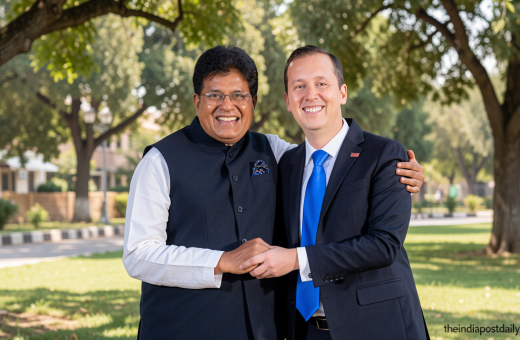
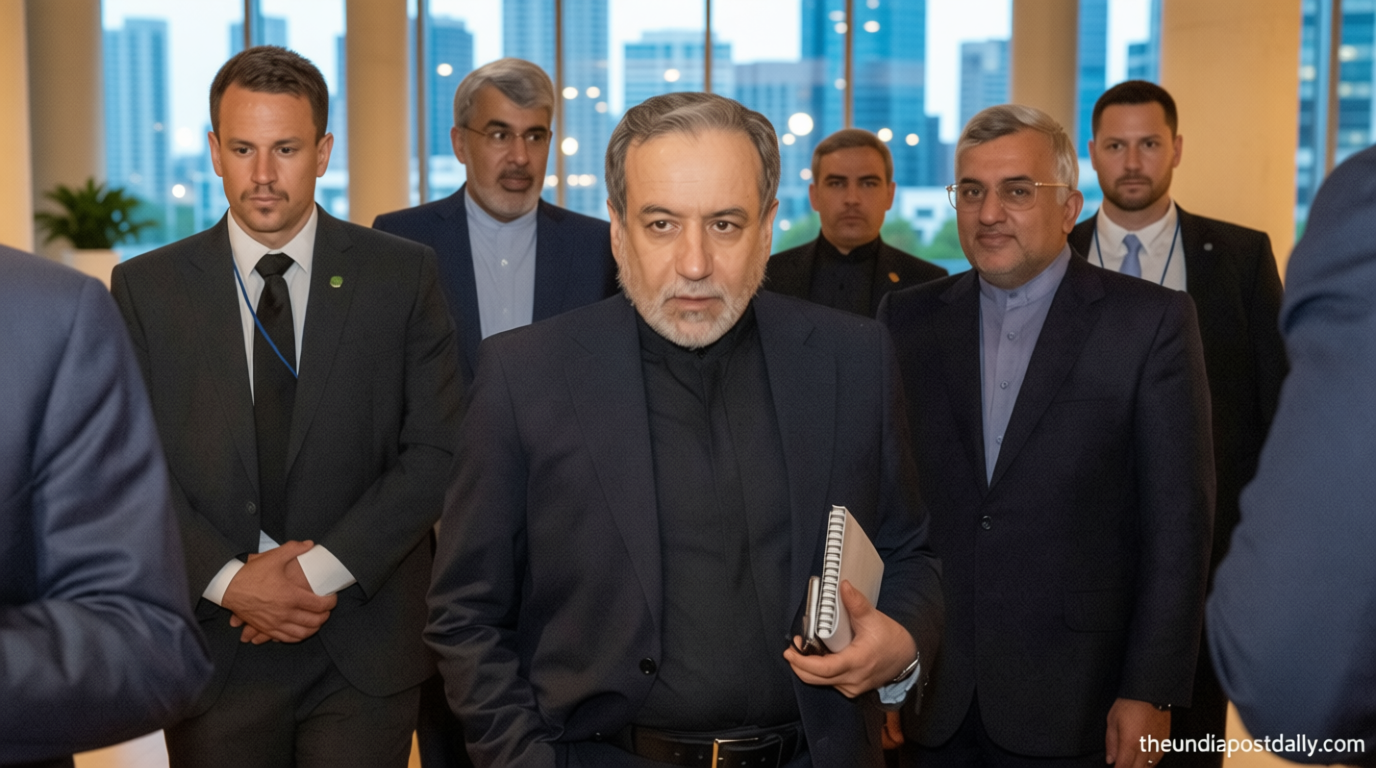
Representatives from both nations arrived in Geneva, Switzerland, for the high-stakes discussions, with U.S. Vice President JD Vance leading the American delegation. The Iranian side included senior officials, signaling their commitment to the talks. While the initial 60-day ceasefire agreement had already been signed by former President Donald Trump and Iranian President Masoud Pezeshkian, the new talks sought to expand this framework into a lasting peace accord. Switzerland, known for its neutrality, was chosen as the host nation to facilitate dialogue free from regional biases.
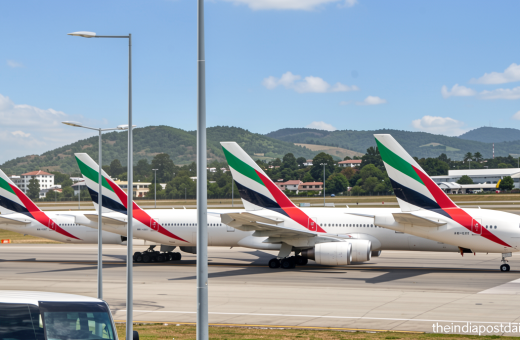
The dispute over the Strait of Hormuz intensified as the Iranian Revolutionary Guard Corps (IRGC) issued a statement claiming the waterway was fully closed, restricting commercial traffic. This move followed a similar announcement earlier in the week, raising concerns about potential disruptions to global oil supplies. U.S. military officials, however, contested the claim, citing satellite data and reports that over 55 vessels, including tankers and freighters, had successfully navigated the strait without incident. The Central Command emphasized that the closure was symbolic, with actual operations continuing uninterrupted.
Interim Agreement Under Scrutiny
The interim agreement, signed during the previous round of talks, had set the stage for a more permanent deal. However, its effectiveness now hinges on the fragile stability of the region. Iran’s Supreme Leader Ayatollah Ali Khamenei has expressed skepticism about the U.S. commitment, with his adviser Mohammad Mokhber highlighting the need for the agreement to address all key issues. Among these, the security of energy exports and the resolution of hostilities in Lebanon remain critical.
“Ships will not be charged a fee to transit Hormuz during or after the ceasefire period unless negotiations collapse and we impose one,” stated Donald Trump in a Saturday social media post. His remarks reflect the conditional nature of the agreement, which aims to balance U.S. interests with Iran’s demands. The administration has stressed that the 60-day ceasefire is a stepping stone, not the final solution, and that further discussions will determine the next phase of diplomacy.
As the talks progressed, attention shifted to the Lebanon ceasefire, which has been a focal point of the interim deal. The conflict between Israel and Hezbollah, supported by Iran, has seen sporadic clashes despite earlier agreements. Analysts suggest that the U.S. peace deal could serve as a mechanism to reduce hostilities and establish a more predictable security environment in the region. However, challenges persist, particularly in ensuring Iran’s adherence to the ceasefire terms and addressing the underlying grievances that fuel the conflict.
Lebanon Ceasefire Faces Uncertainty
The Lebanese ceasefire, which has been in place since the initial agreement, remains under pressure. Recent skirmishes between Israeli forces and Hezbollah, including rocket launches and artillery fire, have tested the durability of the truce. While the U.S. has committed to mediating the conflict, its ability to enforce the ceasefire depends on cooperation from all parties, including Iran’s role in supporting Hezbollah’s operations. The situation in Lebanon underscores the interconnectedness of regional tensions and the need for a comprehensive peace deal.
US Iran peace deal news continues to highlight the strategic importance of the Strait of Hormuz as a critical artery for global energy trade. With over 17 million barrels of oil passing through the strait daily, any disruption could have far-reaching economic consequences. The talks in Switzerland aim to address these concerns by ensuring the safe passage of commercial vessels and preventing further escalations. Analysts believe that the success of the ceasefire in Hormuz will serve as a litmus test for the broader agreement, with both sides eager to demonstrate their willingness to compromise.
As the negotiations unfold, the international community watches closely. The peace deal could mark a turning point in U.S.-Iran relations, potentially easing sanctions and fostering economic collaboration. However, the challenges of enforcing the ceasefire and addressing long-standing disputes, such as Iran’s nuclear program and its support for groups like Hezbollah, will determine the deal’s long-term viability. With the stakes high, the outcome of these talks could reshape the geopolitical dynamics of the Middle East for years to come.