IPL for Gili Danda: Can Spain inspire India to bring its ancient tradition into mainstream?
The IPL for Gili Danda concept has recently sparked a global conversation about
Can Spain Inspire IPL for Gili Danda? Reviving India’s Ancient Tradition
Theindiapostdaily.com – The IPL for Gili Danda concept has recently sparked a global conversation about the revival of traditional games in India. While gilli danda has long been a staple of Indian rural and urban play, its presence in contemporary society has diminished, surviving primarily through nostalgic recollections. However, the rising popularity of Billarda, a centuries-old Spanish game, has reignited interest in how ancient traditions can be reimagined for modern audiences. As Billarda gains traction in Spain through competitive leagues and structured governance, the question arises: can a similar framework inspire India to bring its own heritage sports, like gilli danda, into the mainstream?
Spain’s Revitalization of Billarda
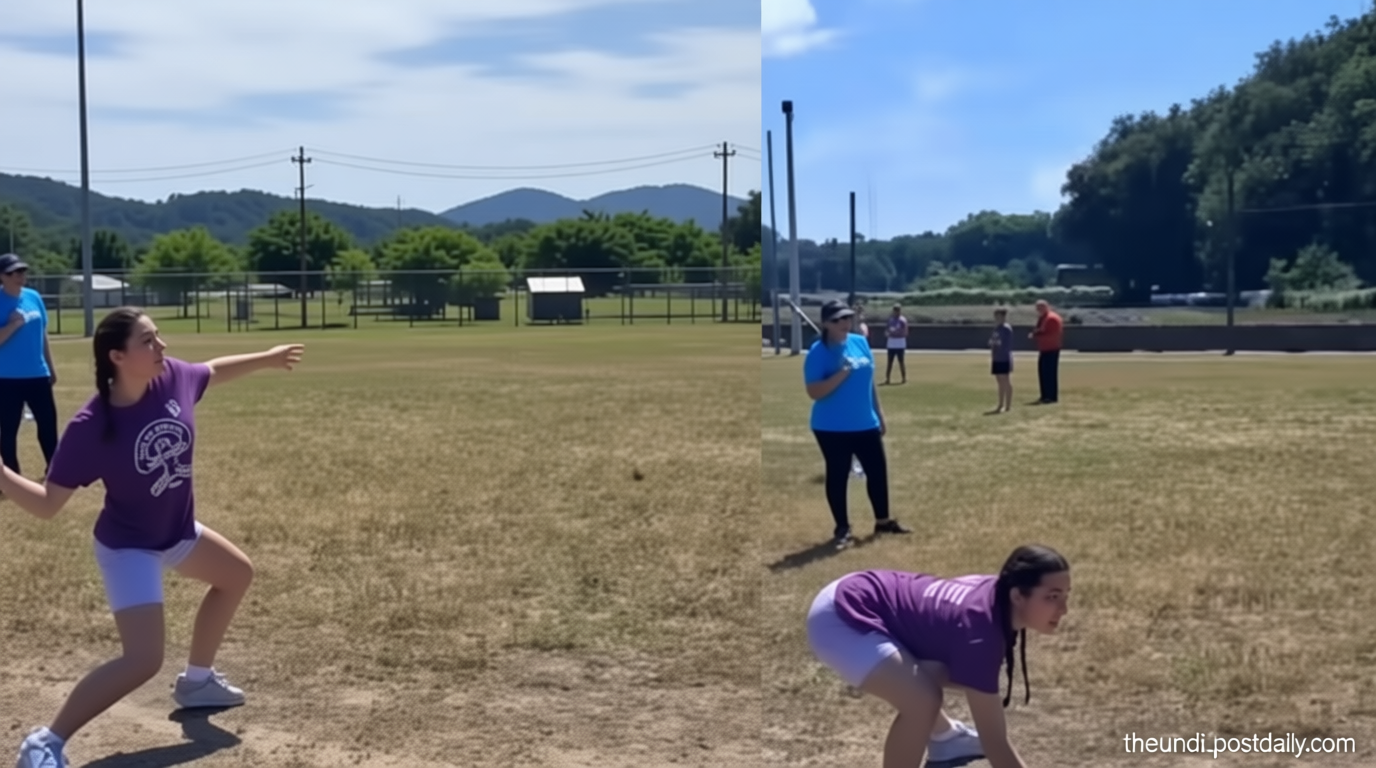
Billarda, a stick-and-ball game rooted in the medieval traditions of Galicia, Spain, has experienced a remarkable resurgence in recent years. Historically played in informal settings, it has now evolved into a recognized sport with organized tournaments, playoffs, and even international competitions. This transformation highlights the potential for traditional games to adapt and thrive in a modern context. In Galicia, the Galician Federation of Indigenous Sports has played a pivotal role in institutionalizing Billarda, providing it with a structured framework that mirrors the commercial success of the Indian Premier League (IPL) for Gili Danda. The Federation’s efforts have not only elevated Billarda’s profile but also demonstrated how cultural preservation can align with contemporary sports entertainment.
“The West finally discovers gilli danda, a game India has been playing for thousands of years.”
This sentiment encapsulates the growing curiosity about India’s ancient games and their potential to re-enter the global sports arena. Billarda’s revival in Spain offers a blueprint for how such traditions can be modernized. By creating leagues, televised matches, and sponsorship opportunities, Spain has turned a local pastime into a thriving sport. Similarly, the IPL for Gili Danda could be the catalyst for India’s own renaissance, transforming gilli danda from a nostalgic memory into a competitive, widely followed game.
India’s Enduring Legacy of Gilli Danda
Gilli danda, a game with origins tracing back nearly 2,500 years, has been a part of Indian culture for millennia. Historians believe it was played in ancient civilizations such as the Maurya and Gupta periods, as evidenced by references in early Sanskrit and Tamil literature. The game involves two players using a bat to hit a small stick (gilli) into a target (danda), with strategic moves and physical skill determining the outcome. Its simplicity and accessibility have made it a favorite among children and adults alike, though its decline in urban centers has led to concerns about its cultural preservation.
While gilli danda remains popular in rural areas, its absence from mainstream media and competitive platforms has left it underappreciated in the modern era. The IPL for Gili Danda idea proposes a way to bridge this gap by introducing structured play, professional teams, and media coverage. This approach could not only revive interest in the game but also foster a new generation of players and fans. The success of Billarda in Spain serves as a compelling example of how traditional games can be redefined through modernization, offering India a model to follow in its own efforts to reclaim its ancient sporting heritage.
Historical and Cultural Significance
Billarda’s roots in medieval Galicia are well-documented, with historical texts from the 13th century referencing its presence in local communities. Its evolution from a simple pastime to a competitive sport reflects a broader trend of cultural adaptation and innovation. In contrast, gilli danda has remained largely unchanged, preserved through oral traditions and family games. This continuity underscores its deep cultural ties to Indian history, yet it also highlights the need for a more dynamic approach to ensure its survival in an increasingly digital world.
India’s ancient traditions, including gilli danda, are often overshadowed by global sports like cricket and football. The IPL for Gili Danda initiative aims to address this by integrating traditional games into the contemporary sports landscape. By leveraging the popularity of the Indian Premier League, which has become a benchmark for cricket entertainment, this concept could create a parallel platform for gilli danda. Such a move would not only honor India’s rich sporting heritage but also position traditional games as viable contenders in the global market.
Challenges and Opportunities
Reviving a game like gilli danda through the IPL for Gili Danda model presents both challenges and opportunities. One key hurdle is the need to standardize rules and gameplay to ensure fairness and competitiveness. However, this challenge is not insurmountable—Spain’s Billarda has undergone similar rule refinements to accommodate modern leagues. Another opportunity lies in the potential for cultural exchange, as international exposure could spark interest in India’s unique games. For instance, the success of Billarda in Spain might encourage other countries to explore similar traditions, further amplifying the global appeal of the IPL for Gili Danda concept.
The IPL for Gili Danda could also serve as a platform for promoting Indian culture and values. By blending traditional gameplay with contemporary sportsmanship, it could create a unique identity that resonates with both local and international audiences. This approach would require collaboration between cultural historians, sports organizers, and media professionals to ensure authenticity and engagement. As Billarda has become a symbol of Spain’s cultural pride, gilli danda could similarly represent India’s rich heritage, provided it receives the support and innovation needed to thrive in the modern era.
“The IPL for Gili Danda is more than a game—it’s a cultural renaissance.”
This statement reflects the broader implications of the initiative. By reimagining traditional games like gilli danda, India can reclaim its historical legacy while fostering new forms of entertainment. The IPL for Gili Danda concept invites a dialogue about how to balance tradition with innovation, ensuring that ancient games remain relevant in today’s fast-paced world. As Spain’s Billarda shows, the potential for such revival is real—and the question is no longer whether it can happen, but how it can be achieved.