White House ballroom row deepens as Trump Admin reportedly moves $400M in security funding
White House Ballroom Row Deepens as Trump Admin Shifts $400M in Security Funds Theindiapostdaily.com – The White House ballroom row deepens as the Trump administration reportedly reallocated nearly $400 million…
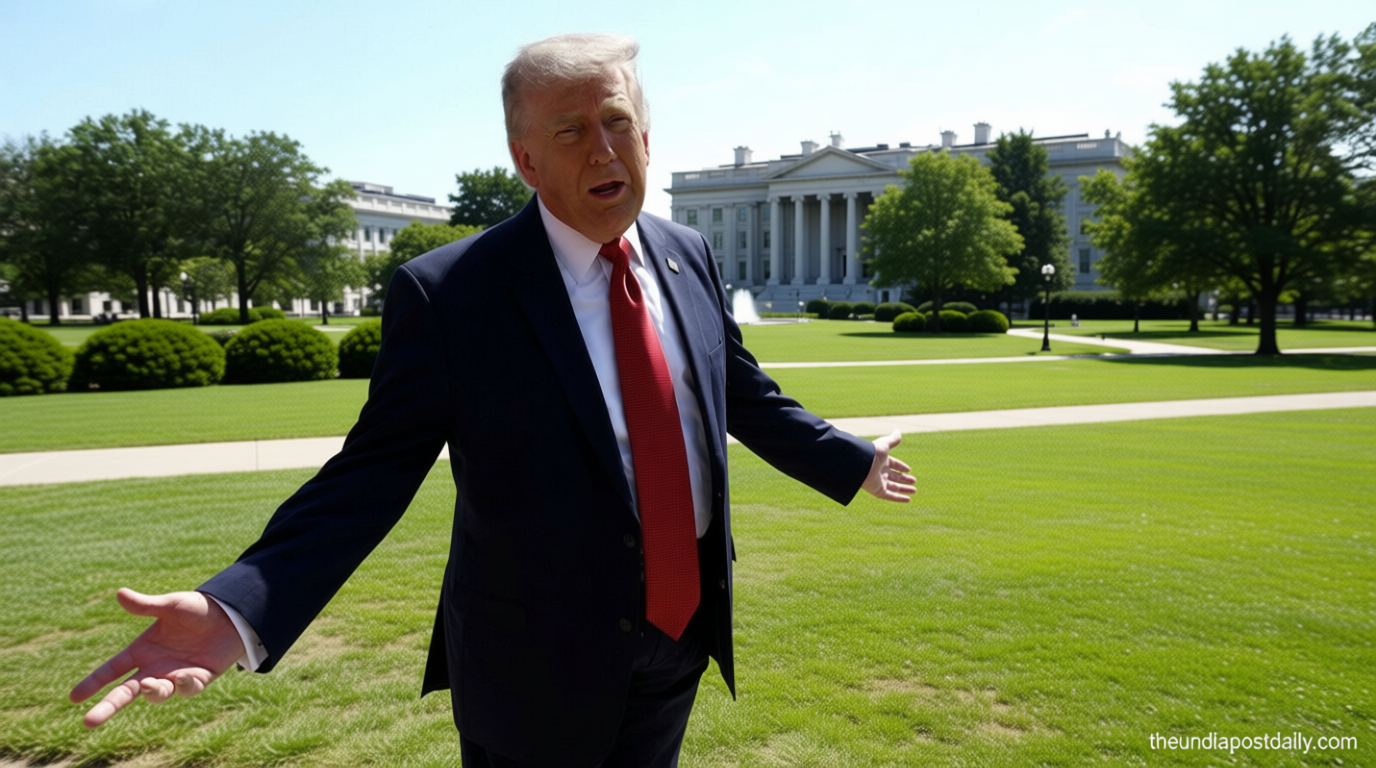
White House Ballroom Row Deepens as Trump Admin Shifts $400M in Security Funds
Theindiapostdaily.com – The White House ballroom row deepens as the Trump administration reportedly reallocated nearly $400 million from security funding to support a proposed ballroom project. This move has intensified scrutiny over the White House’s financial decisions, with lawmakers questioning the transparency of the transfers and their connection to the long-debated expansion. The funds, drawn from the Secret Service’s budget, are now under investigation to determine whether they will be used for security upgrades or to finance the ballroom initiative, which has sparked both support and criticism.
Recent Budget Shifts and Public Reaction
According to OMB records, the administration executed two transfers totaling $397 million on June 12 and June 15, as revealed by ABC News. These transfers, labeled as “White House Security Measures,” have left many in Congress and watchdog groups confused about their purpose. While the funds are officially categorized under security, the lack of detailed documentation has raised eyebrows, with some suggesting the allocation could be a strategic maneuver to advance the ballroom project. The White House ballroom row deepens as public pressure mounts for greater clarity on the spending.
Details of the Security Funding Reallocation
Breaking down the transfers, the first $11 million was directed to the Secret Service’s Operations and Support account, likely for routine security operations. The remaining $386 million, however, was allocated to Procurement, Construction, and Improvements. This second category has drawn significant attention, as it appears to align with the ballroom project’s goals. Critics argue that the funding shift blurs the line between essential security expenses and discretionary spending, while supporters claim it enhances the White House’s capabilities for hosting high-profile events. The White House ballroom row deepens as this ambiguity fuels ongoing debates.
Experts in fiscal policy have noted that the reallocation of funds allows the administration to justify the ballroom project as a security enhancement. However, the exact scope of these improvements remains unclear. Some suggest that the ballroom could include advanced surveillance systems, reinforced walls, or state-of-the-art event infrastructure. Others, including progressive lawmakers, question whether the project is a worthy use of public funds or a politically motivated spending spree. The White House ballroom row deepens as these differing viewpoints gain traction in legislative discussions.
Historical Context and Project Objectives
The proposed ballroom is part of a broader effort to modernize the White House’s event capabilities. Designed to replace the temporary setups on the South Lawn, the project aims to create a permanent, versatile space for diplomatic gatherings and presidential functions. Advocates argue that a dedicated ballroom would streamline operations, reduce logistical challenges, and allow for consistent hosting of events regardless of weather or security threats. The White House ballroom row deepens as the administration faces pressure to demonstrate the necessity of these financial commitments.
Historically, the White House has hosted events in the East Room or other existing spaces, but the new ballroom would offer a larger, more specialized venue. The project is also seen as a way to boost the administration’s legacy through high-profile entertainment and state functions. However, opponents highlight concerns about the building’s design, cost, and potential for excess spending. The White House ballroom row deepens as these concerns intersect with broader discussions about the use of taxpayer money for non-security purposes.
Political Implications and Legislative Scrutiny
The reallocation of security funds to the ballroom project has become a focal point in the ongoing political discourse. Lawmakers from both parties are questioning whether the budget changes reflect a shift in priorities or a calculated move to align with the administration’s agenda. Several Democratic representatives have called for a detailed explanation of the financial breakdown, emphasizing the need for transparency. Meanwhile, Republican allies have defended the decision, framing it as a necessary investment in national security and presidential hospitality. The White House ballroom row deepens as this divide becomes more pronounced in congressional hearings.
With the budget approved under the Republican-backed “One Big Beautiful Bill Act,” the administration’s actions are viewed as a test of its commitment to fiscal responsibility. The ballroom project’s proponents argue that it is a long-overdue modernization, while detractors warn of potential budget overruns. As the White House ballroom row deepens, the debate continues to shape public perception of the administration’s financial stewardship and its ability to balance security needs with other initiatives.
Broader Impact on Government Spending
While the focus is on the ballroom project, the security funding reallocation also highlights broader trends in government spending. Critics argue that the move reflects a pattern of shifting funds to politically favored projects, potentially undermining the Secret Service’s core mission. The White House ballroom row deepens as this practice is scrutinized for its implications on budget accountability. Advocates, on the other hand, see the shift as a pragmatic way to allocate resources more efficiently, particularly in light of evolving security threats and the need for adaptable infrastructure.
As the controversy grows, the administration’s ability to defend its financial decisions will be closely watched. The White House ballroom row deepens not only as a reflection of current spending but also as a symbol of the ongoing tension between efficiency, transparency, and political priorities. Whether this reallocation is seen as a bold move or a misstep will depend on the administration’s ability to articulate its rationale and demonstrate the project’s value to the public and lawmakers alike.