Netanyahu actions may undermine Trump-Iran peace deal, US intelligence warns: Report
Netanyahu's Actions Risk Trump-Iran Peace Deal, US Intelligence Warns Theindiapostdaily.com – Israeli Prime Minister Benjamin Netanyahu's recent military decisions may threaten the Trump administration's Iran peace deal, according to a…
Netanyahu’s Actions Risk Trump-Iran Peace Deal, US Intelligence Warns
Theindiapostdaily.com – Israeli Prime Minister Benjamin Netanyahu’s recent military decisions may threaten the Trump administration’s Iran peace deal, according to a Washington Post report citing classified US intelligence assessments. The warning underscores fears that Netanyahu’s aggressive posturing in southern Lebanon could erode the fragile diplomatic progress made toward a historic agreement between the US and Iran. As tensions mount, analysts and policymakers are concerned that continued Israeli strikes could destabilize the framework designed to curb nuclear ambitions and reduce regional hostilities.
Strategic Conflict in Southern Lebanon
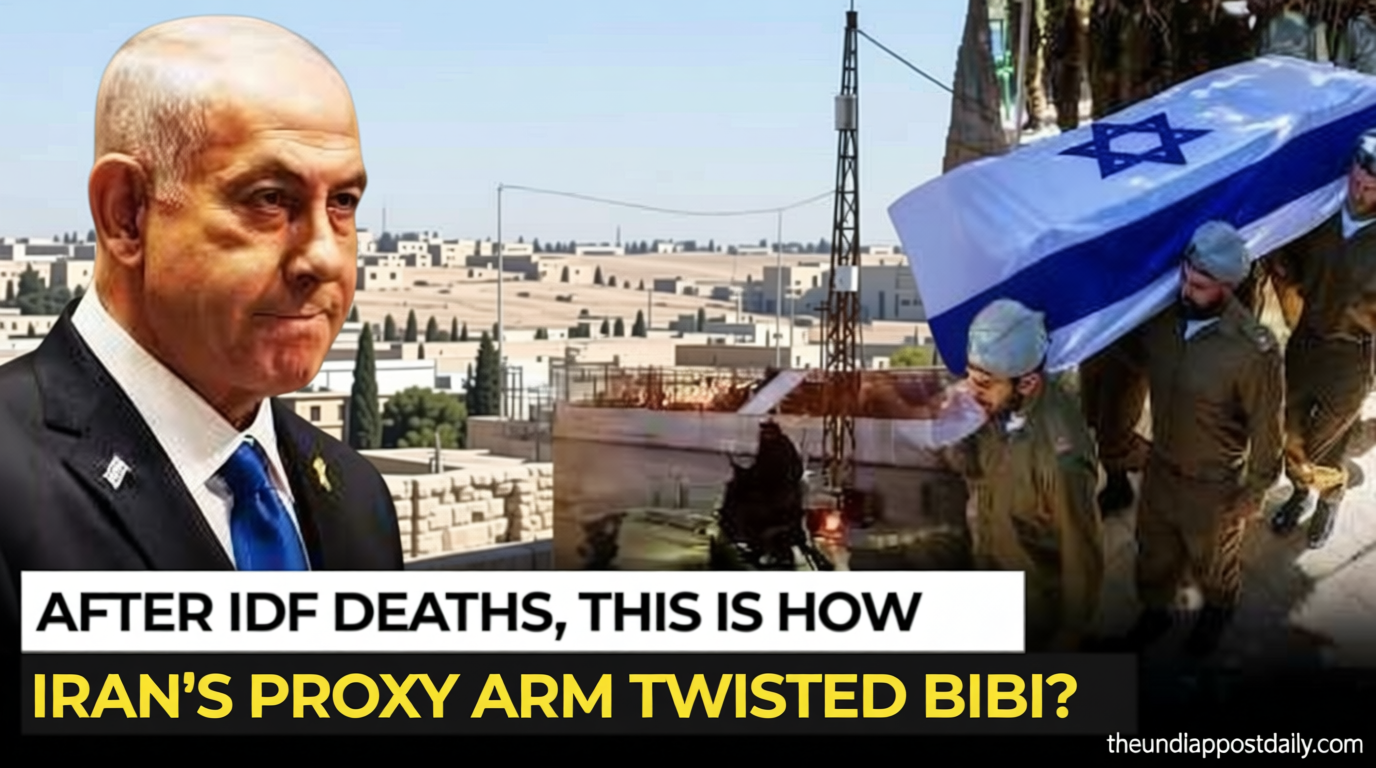
Escalating clashes in southern Lebanon have become a focal point of international concern, with the US intelligence community issuing urgent alerts about the potential consequences. Israeli airstrikes targeting Hezbollah, an Iran-backed militant group, have intensified since the drone attack that killed four Israeli soldiers, prompting both sides to reassess their strategies. These military operations, which have expanded Israel’s territorial control to over 200 square miles, are seen as a direct challenge to the Trump-era framework. US officials stress that Netanyahu’s insistence on maintaining a strong presence in the region risks derailing the agreement, as repeated strikes could signal a shift from diplomatic engagement to military confrontation.
“Netanyahu’s actions may undermine Trump’s Iran deal by reigniting hostilities,” noted a senior US diplomat during a briefing in Brussels. “The deal’s success hinges on sustained restraint, and the current trajectory suggests a departure from that principle.”
Domestic Pressures and Geopolitical Shifts
Netanyahu faces mounting pressure from within Israel to escalate operations in Lebanon, driven by domestic political dynamics and alliance concerns. Right-wing factions in the Israeli government argue that a strategic withdrawal or de-escalation would weaken national security and embolden Iran’s regional influence. Meanwhile, the Trump administration remains committed to its Iran policy, aiming to preserve the nuclear deal’s terms despite growing friction. The divergence in priorities highlights a critical juncture where Netanyahu’s decisions could either solidify or fracture the agreement, depending on their alignment with US strategic goals.
“The Trump-Iran peace deal represents a pivotal shift in US foreign policy, but Netanyahu’s actions may undermine Trump’s vision,” said an unnamed intelligence official. “If Israel continues its aggressive campaigns, the deal’s credibility will be jeopardized, and the broader Middle East balance could unravel.”
Impact on Regional Stability
Analysts warn that the ongoing conflict in Lebanon could have cascading effects on the Middle East, particularly if the Trump-Iran peace deal is compromised. The agreement, which was finalized in 2018, sought to limit Iran’s nuclear capabilities in exchange for sanctions relief and improved diplomatic relations. However, with Netanyahu’s military moves potentially reigniting hostilities, the deal’s long-term viability is now under scrutiny. US intelligence officials highlight that renewed attacks on Hezbollah could draw Iran into a direct confrontation with Israel, reversing the progress made toward de-escalation.
Historical Context and Current Challenges
The Trump-Iran peace deal, formally known as the Iran Nuclear Agreement, was a landmark achievement that aimed to curb Iran’s nuclear program through a series of negotiated concessions. However, the deal’s success has been contingent on cooperation between Israel and the US, which now appears uncertain. Netanyahu’s actions may undermine Trump’s efforts to stabilize the region, as his government continues to view Iran as a primary threat. This tension is compounded by the US’s desire to prioritize diplomatic engagement while Israel focuses on military deterrence, creating a rift that could have far-reaching consequences.
“Netanyahu’s approach risks undermining Trump’s Iran deal by prioritizing short-term security over long-term stability,” warned a former US State Department official. “The deal’s core was to build trust, but repeated military actions may erode that trust entirely.”
Global Reactions and Future Outlook
International observers are closely monitoring the situation as it unfolds, with concerns that Netanyahu’s actions may undermine the Trump-Iran peace deal’s legacy. While the US has remained steadfast in its support for the agreement, Israel’s continued military operations in Lebanon have drawn criticism from allies and adversaries alike. The potential for renewed conflict could also affect Iran’s compliance with the deal, as the country may perceive Israeli aggression as a justification for expanding its regional influence. As the geopolitical landscape evolves, the question remains: can Netanyahu’s decisions be reconciled with the US’s vision for a stable Middle East, or will they lead to the deal’s collapse?
“The Trump-Iran peace deal is now at a crossroads, with Netanyahu’s actions posing a significant challenge to its survival,” said a Middle East analyst. “Unless Israel demonstrates restraint, the deal may not withstand the test of time.”