Luigi Mangione abandons mental health defense plans for now in UnitedHealthcare CEO Brian Thompson murder case
Luigi Mangione Abandons Mental Health Defense in UnitedHealthcare CEO Murder Case Luigi Mangione abandons mental health defense - Luigi Mangione, the
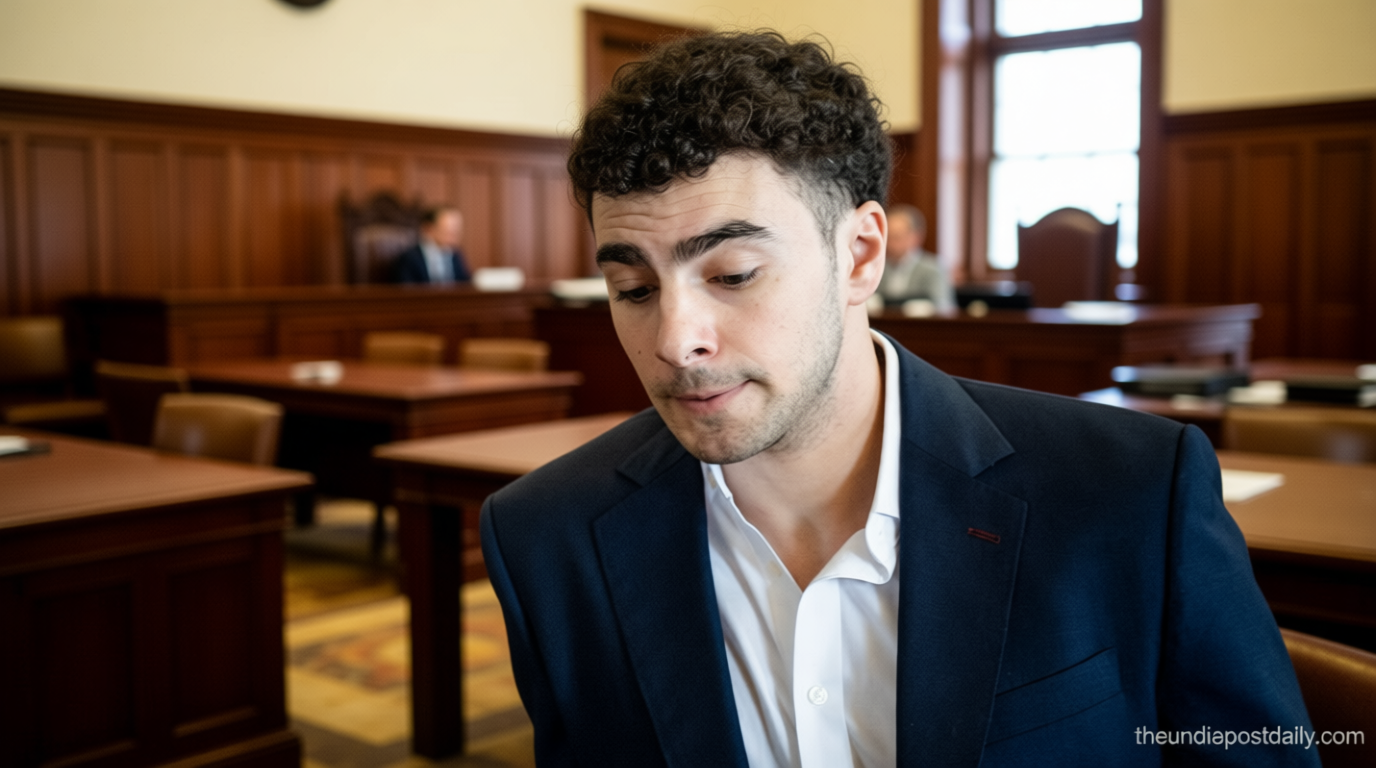
Luigi Mangione Abandons Mental Health Defense in UnitedHealthcare CEO Murder Case
Theindiapostdaily.com – Luigi Mangione, the 28-year-old suspect in the shooting of UnitedHealthcare CEO Brian Thompson, has temporarily withdrawn his mental health defense strategy, as disclosed in a recent court filing. This move, announced by his legal team, marks a significant shift in the prosecution’s approach to the case, which has been at the center of public and media attention since the December 2024 incident. The decision to abandon the mental health defense could have major implications for his charges and the overall trajectory of the trial, setting the stage for a more straightforward legal battle.
Background of the Alleged Crime
Brian Thompson, a prominent executive at UnitedHealth Group, was fatally shot outside a Midtown Manhattan hotel during an investor conference. The attack, which took place on December 15, 2024, was captured on video and quickly went viral, sparking widespread debate about healthcare costs and corporate practices. Mangione, who was identified as the shooter, had been hiding in Pennsylvania for days before his arrest, adding to the narrative of a calculated and deliberate act. His temporary withdrawal of the mental health defense signals a strategic recalibration as the case moves forward.
Initially, Mangione faced multiple charges, including first-degree murder, weapons offenses, and forgery. His legal team had argued that a severe mental health crisis, combined with a deep-seated resentment toward UnitedHealthcare, influenced the shooting. This defense aimed to reduce the charges from murder to manslaughter, a legal maneuver that could significantly impact the potential sentence. However, with the decision to drop the mental health defense, the focus now shifts to the premeditation and intent behind the attack.
Mental Health Defense Strategy and Legal Implications
The mental health defense hinged on proving that Mangione was in a state of extreme emotional distress at the time of the shooting. Under New York law, this requires demonstrating that his actions were driven by a sudden and intense emotional reaction rather than a premeditated plan. By abandoning this strategy, Mangione’s attorneys may be prioritizing a more direct approach to the trial, emphasizing the intentional nature of the crime.
Legal experts suggest that the decision to drop the mental health defense could strengthen the prosecution’s case, particularly with evidence pointing to Mangione’s prior planning and efforts to evade capture. The public has largely viewed the incident as a targeted attack, which may further support the argument of premeditation. However, the defense could still introduce alternative arguments to mitigate the severity of the charges, depending on how the trial unfolds.
With the mental health defense no longer part of the strategy, the trial will likely focus on the evidence of intent and planning. This includes Mangione’s access to the victim, his knowledge of UnitedHealthcare’s operations, and the timeline of events leading up to the shooting. The prosecution has been building a case that highlights his deliberate actions, which could lead to a conviction on more severe charges.
Progress in Federal Proceedings
Separately, Mangione was charged in federal court with murder, weapons offenses, and stalking in April 2025. A recent ruling by a federal judge dismissed the murder and weapons charges on procedural grounds, but the stalking charge remains. This allows for a life sentence, should the jury find him guilty, while also eliminating the death penalty as an immediate possibility. The federal case is now set to proceed with jury selection starting in September and opening arguments in November.
The decision to abandon the mental health defense in the state case comes as the federal trial prepares to move forward. This could lead to a more unified legal approach, where both state and federal charges are presented without the complicating factor of a mental health claim. The public’s perception of Mangione as a calculated killer may align with the federal prosecution’s narrative, potentially influencing the jury’s view of the case.
As the trial approaches, Mangione’s legal team will need to adapt their strategy to account for the absence of the mental health defense. This may involve emphasizing the emotional impact of the crime on the victim’s family and the broader community, while also addressing the defendant’s intent and planning. The outcome of the case will depend on how effectively the prosecution can demonstrate the deliberate nature of the attack and the defendant’s responsibility.
Luigi Mangione’s temporary abandonment of the mental health defense has sparked discussions about the balance between personal accountability and mental health as a mitigating factor. While the strategy may have been intended to reduce the charges, its removal could lead to a stronger case against him. The trial’s outcome will not only determine his fate but also shape the legal discourse around mental health in criminal cases.