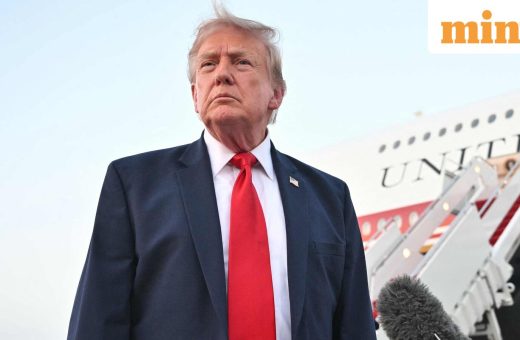
JD Vance defends US-Iran peace deal, slams Israeli critics, asks them not to attack their only ally in the world
JD Vance Defends US-Iran Peace Deal, Slams Israeli Critics Theindiapostdaily.com – U.S. Vice President JD Vance has become a vocal advocate for the US-Iran peace deal, challenging Israeli officials who…
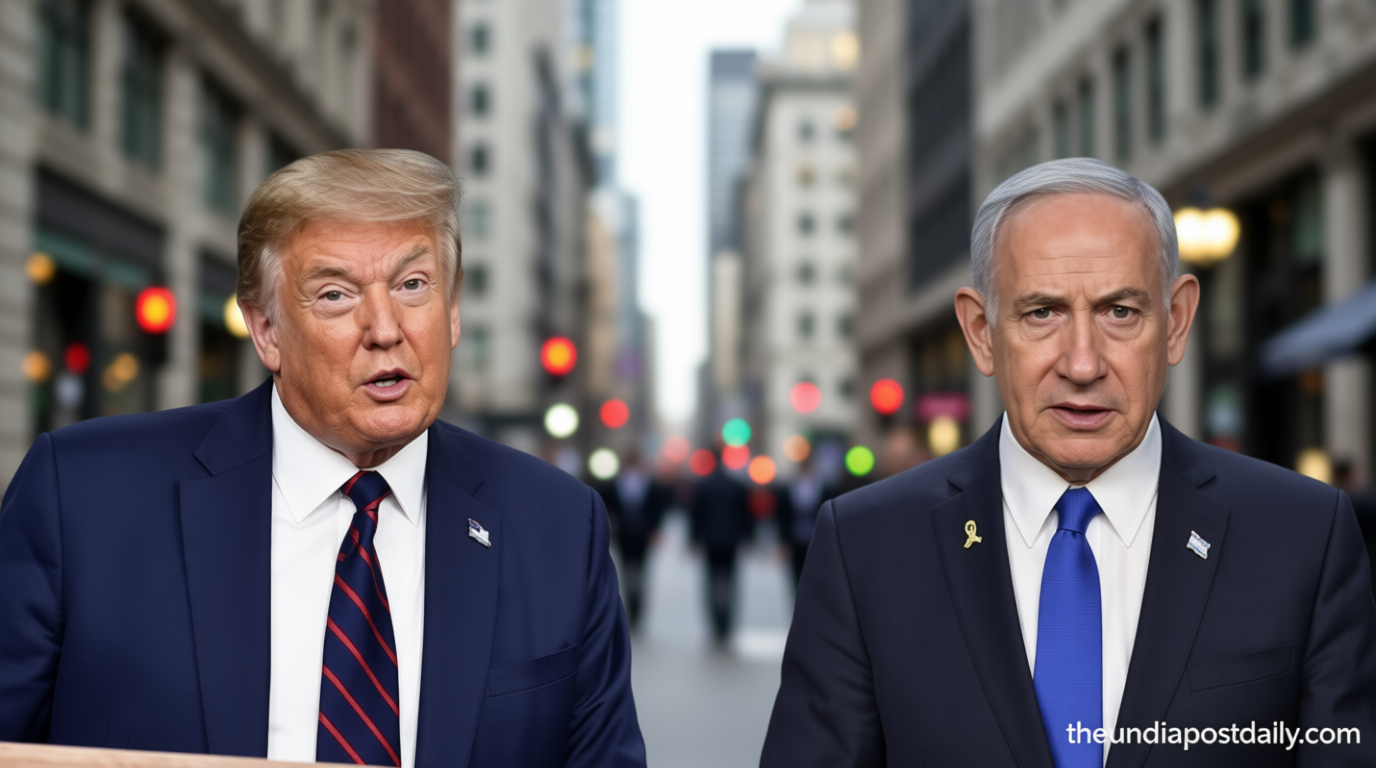
JD Vance Defends US-Iran Peace Deal, Slams Israeli Critics
Theindiapostdaily.com – U.S. Vice President JD Vance has become a vocal advocate for the US-Iran peace deal, challenging Israeli officials who have criticized the agreement. In a recent statement, Vance emphasized the importance of the deal in fostering stability and addressing global security concerns, while directly questioning the Israeli government’s strategy. His comments, which highlight the deal’s potential benefits, aim to bridge the gap between the U.S. and Iran, even as tensions with Israel continue to rise.
The US-Iran Peace Deal: A Strategic Shift
The US-Iran peace deal, signed under President Donald Trump during the G7 summit in Versailles, France, marks a significant shift in U.S. foreign policy. Vance, speaking at a press briefing, argued that the agreement provides a framework for reducing regional conflicts and strengthening American interests. He pointed out that the deal is not just about Iran but also about creating a balanced approach to Middle Eastern diplomacy. “This is not a surrender to Iran,” he said, “but a calculated move to secure long-term peace.”
Vance’s remarks follow months of diplomatic efforts to negotiate the terms of the agreement. He praised the role of French President Emmanuel Macron in facilitating the deal, noting that the U.S. and France have worked closely to align their strategic goals. The MoU, which outlines key provisions of the peace deal, is seen by Vance as a tool to counter Iran’s influence in the region and reduce the risk of further escalation. “Israel cannot rely solely on military force to solve all its security problems,” he warned, urging a more nuanced perspective on the deal.
“Donald J. Trump is the only head of state in the entire world who is sympathetic to the nation of Israel at this moment in time. If I was in the cabinet of the Israeli government, I might not be attacking the only powerful ally that I have anywhere left in the entire world,”
Vance’s comments are particularly aimed at Israeli politicians who have publicly opposed the agreement. He highlighted the US-Iran deal as a critical step in maintaining the U.S.’s geopolitical position, even as Israeli allies question its impact on national security. “The U.S. has been Israel’s most reliable partner in the region, and this deal reaffirms that commitment,” Vance stated, underscoring the importance of the U.S. backing Israel’s defense capabilities.
Israeli Opposition and the Role of US Support
Israeli National Security Minister Itamar Ben-Gvir and Finance Minister Bezalel Smotrich have faced sharp criticism from Vance for their vocal opposition to the US-Iran peace deal. The vice president questioned their approach, suggesting that their focus on military solutions has overshadowed the broader strategic benefits of the agreement. “You’re a country of 9 million people. You can’t just kill your way out of solving every single national security problem that you have,” Vance said, pointing to the need for diplomatic engagement.
Ben-Gvir responded on social media, framing the deal as a necessary confrontation with “the Nazis of the 21st century,” a reference to Iran’s perceived threat to Israel. He further claimed that Israel’s independence allows it to maintain its military presence in Lebanon without U.S. constraints. However, Vance countered by stressing that the U.S. remains Israel’s strongest ally and that the deal is designed to protect shared interests. “The US-Iran peace deal is not a betrayal of Israel,” he insisted, “but an opportunity to secure a more stable future.”
Despite the U.S. and Israel’s shared goals in the region, tensions have intensified in recent months. Trump, who has been a key architect of the deal, has reportedly grown frustrated with Prime Minister Benjamin Netanyahu’s repeated disruptions. The once-cordial relationship between the two leaders has become strained, with Trump calling Netanyahu “f***ing crazy” during a heated exchange. Vance’s defense of the agreement comes at a pivotal moment, as the U.S. seeks to maintain its alliance with Israel while pursuing broader diplomatic objectives.
Netanyahu’s government has downplayed the rift, but the deepening friction with Washington is evident. Vance’s position reinforces the U.S. commitment to the deal, even as Israeli allies push back against its terms. By framing the agreement as a strategic necessity, Vance aims to rally support for the deal and counter the narrative that it undermines Israel’s security. “This deal is about more than just Iran,” he said. “It’s about ensuring that Israel has a partner that can stand by its side in a world of shifting alliances.”
As the U.S. and Iran work to implement the peace deal, the implications for the region are far-reaching. Vance’s focus on the US-Iran accord highlights the growing importance of diplomacy in international relations, even amid political disagreements. His arguments challenge Israeli critics to reconsider their stance and recognize the deal’s potential to address shared security concerns. With the U.S. reaffirming its role as a global leader, the success of the agreement may depend on its ability to unite allies and reduce regional tensions.