Switzerland talks called off: What is holding back the next stage of US-Iran MoU?
Switzerland Talks Called Off: Delays Complicate US-Iran Ceasefire Agreement Theindiapostdaily.com – The anticipated high-stakes U.S.-Iran negotiations at the Burgenstock resort in Switzerland were canceled, according to a statement from the…
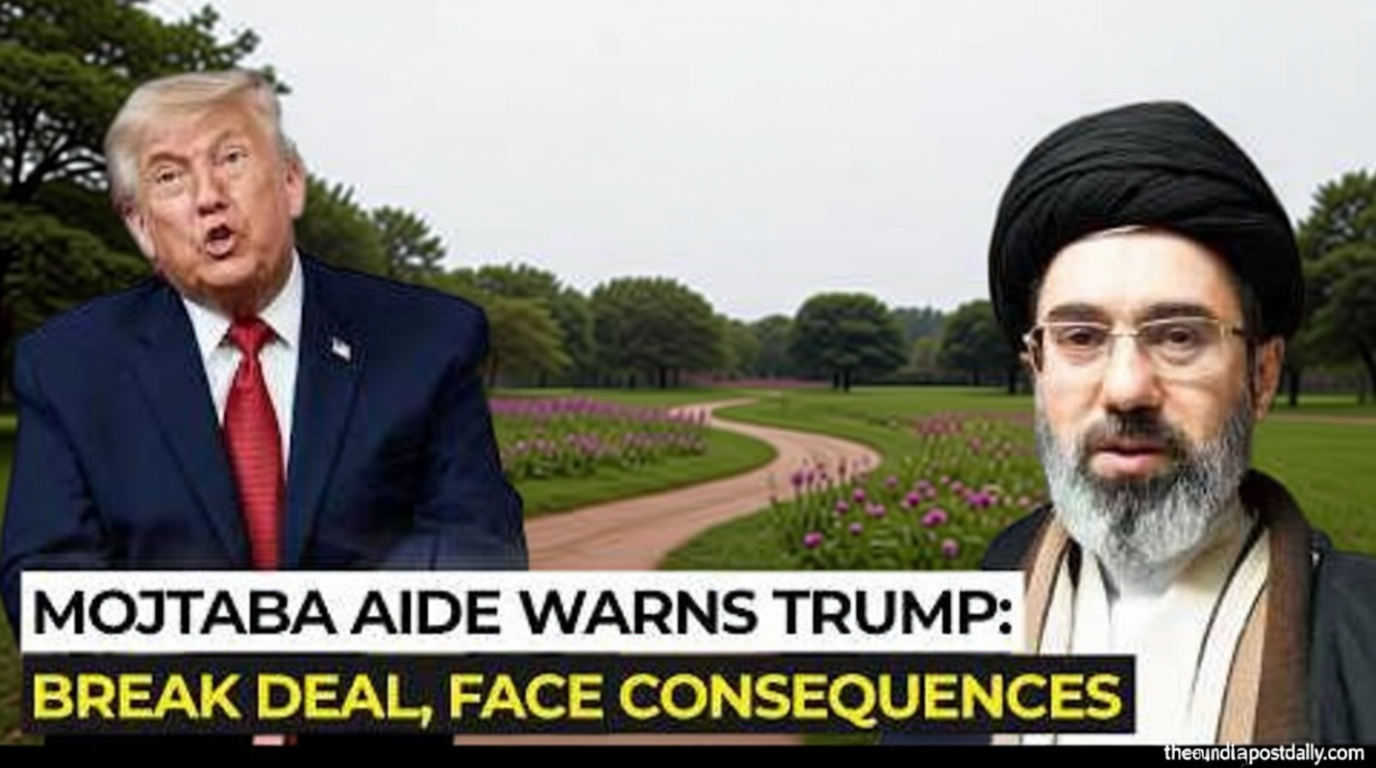
Switzerland Talks Called Off: Delays Complicate US-Iran Ceasefire Agreement
Theindiapostdaily.com – The anticipated high-stakes U.S.-Iran negotiations at the Burgenstock resort in Switzerland were canceled, according to a statement from the Swiss Foreign Ministry, as reported by Reuters. This decision came after the White House revealed that Vice President JD Vance had delayed his planned trip to Switzerland, which was meant to lead further talks on Iran’s nuclear program.
Vance’s postponement was attributed to logistical challenges by the White House, which noted that the team had been prepared to depart but opted for a delay. The same day, Vance held a press conference to justify the preliminary deal aimed at ending the conflict, stating uncertainty about his participation in the Swiss talks. The New York Times noted that the negotiations were expected to include a signing ceremony for the agreement.
Uncertainty persists regarding when Vance might reschedule his visit. The delay follows a report from Al-Mayadeen, a pan-Arab satellite channel linked to Hezbollah in Lebanon, which indicated Iran was holding back its delegation due to Israel’s ongoing military operations in the country. The ceasefire MOU requires an end to hostilities, yet Israeli forces have continued their campaign, prompting Iran to object to the military presence.
Lebanon, a Friction Point
Iran’s supreme leader, Ayatollah Mojtaba Khamenei, endorsed the agreement on June 18, despite lingering concerns, even as Washington lifted a blockade on Iranian ports. However, the postponement of the Swiss talks coincided with Pakistan’s Prime Minister Shehbaz Sharif canceling his planned visit to the same venue. Originally intended to host a ceremonial signing, Sharif’s absence added to the uncertainty surrounding the agreement’s next steps.
Criticism from Republicans
The tentative agreement has faced sharp scrutiny from U.S. Republicans, who argue that Washington has given too much to Iran. Concerns include eased sanctions and a potential $300 billion fund for rebuilding efforts. The deal stipulates that Iran’s stockpile of enriched uranium must be diluted under international oversight and that it will not acquire or produce nuclear weapons—a pledge it has previously made.
Steve Witkoff, Trump’s envoy, assured Congress that Iran would invite the International Atomic Energy Agency to inspect its nuclear facilities and locate its enriched material, which is suspected to be hidden under rubble. Vance, during a White House briefing, downplayed criticism of the agreement’s rollout, claiming, “I don’t think our public messaging has been chaotic.”
Meanwhile, Iranian state media reported that shipping at southern ports has resumed, though the strait remains under Iranian military control and monitored. Lloyd’s List Intelligence noted that major shipowners began navigating the vital waterway after the agreement was signed, though specific vessel counts were not disclosed as of Thursday. Richard Meade, editor-in-chief of Lloyd’s List, highlighted these developments in a media briefing.