CEO serves only veg food at week-long offsite, internet calls it ‘bullying’
CEO serves only veg food at week-long offsite, internet calls it 'bullying' A Controversy Unfolds CEO serves only veg food at week - The decision by a CEO to
CEO serves only veg food at week-long offsite, internet calls it ‘bullying’
A Controversy Unfolds
Theindiapostdaily.com – The decision by a CEO to serve only vegetarian food during a week-long offsite has sparked a fiery debate on social media, with critics labeling it as a form of workplace bullying. Renowned photographer Atul Kasbekar, who shared the incident on X, claimed that the corporate event’s menu had left a significant portion of attendees feeling excluded. This raises important questions about the balance between executive authority and employee autonomy, particularly in the context of personal dietary preferences.
While the company’s name and the CEO’s identity remain undisclosed, the post has garnered widespread attention, highlighting how even seemingly small decisions can ripple into broader conversations about inclusivity and workplace culture. Kasbekar’s comments suggest that the CEO’s insistence on vegetarian-only meals was not just a dietary choice but a statement that alienated non-vegetarian employees, who make up a substantial portion of the Indian workforce. The controversy underscores the growing importance of food choices as a reflection of cultural and personal values in professional settings.
Veg Food Only, Please
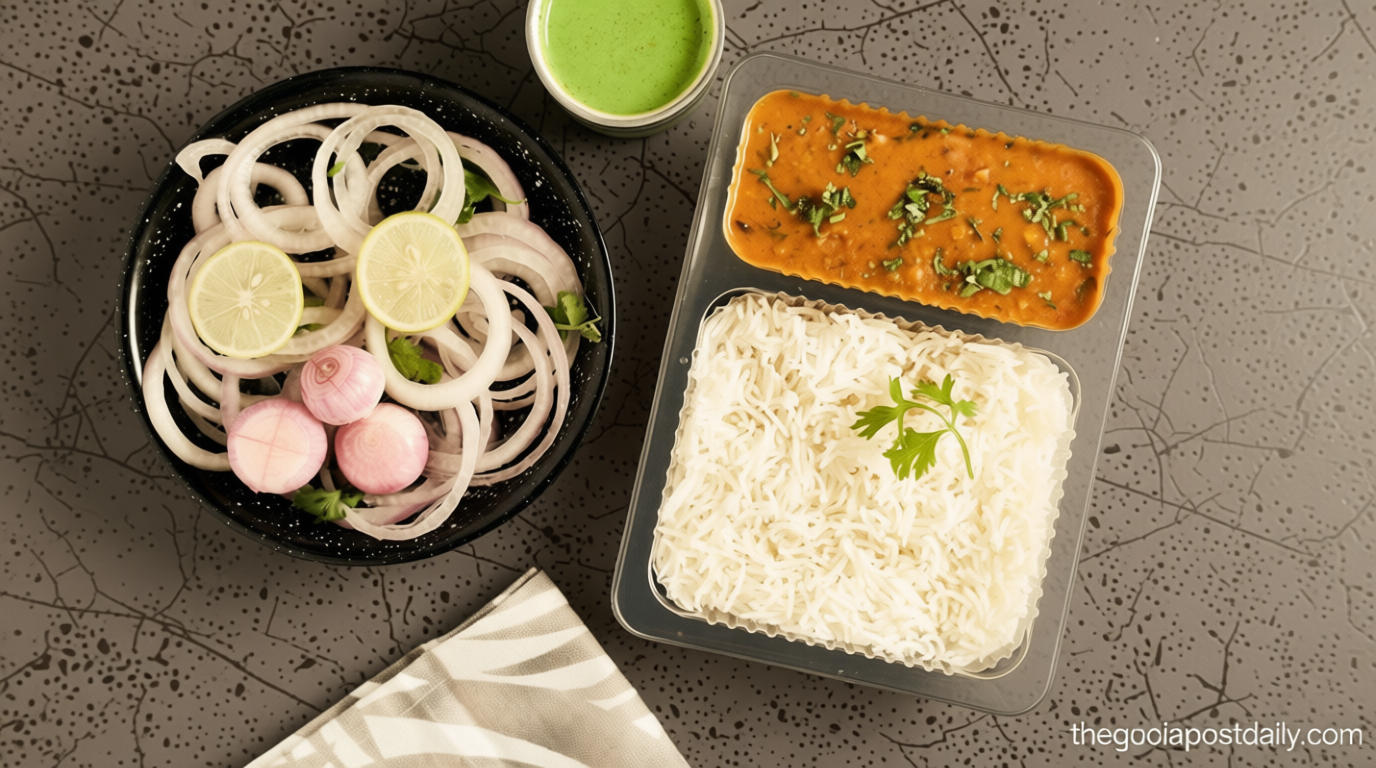
Kasbekar detailed the event’s menu in a post that quickly went viral, stating, “A recently appointed CEO (not founder) insisted on serving only veg food over almost a week at a company offsite.” The choice of vegetarian meals, he argued, seemed to target the majority of attendees, many of whom were not vegetarian. “Seems more than 70% of the attendees were p***ed off. Which is apparently the non veg eating population in the country. (Defined by— at least eat eggs),” he added, emphasizing the perceived exclusivity of the executive’s decision.
The practice of serving only vegetarian food at corporate events has been a point of discussion for years, but the CEO’s week-long offsite reignited the conversation. Some argue that vegetarian diets have become a norm in certain industries, particularly in cities like Mumbai and Delhi, where health-conscious trends are prominent. However, others question whether this trend reflects genuine inclusivity or a subtle form of pressure on employees to conform to the CEO’s preferences. The focus keyword, “CEO serves only veg food,” is now central to the evolving narrative of workplace policies and personal expression.
Employee Perspectives and Reactions
Employee reactions to the CEO’s choice have been divided, with some defending the decision as a reflection of the company’s values. “It’s a private company and he is not forcing anyone to work for the company or eat the food that the company wants to serve,” one commenter noted, framing the choice as a matter of corporate identity rather than personal attack. This perspective aligns with the idea that executives have the right to curate events that align with their vision, even if it means excluding certain dietary preferences.
Conversely, critics argue that the CEO’s dietary choice extended beyond personal preference and into the realm of workplace bullying. “This is bullying and employees should have the courage to stand up and push back,” another user wrote, highlighting the power dynamics at play. The comment suggests that the CEO’s decision to enforce vegetarian-only meals during the offsite could have been seen as a subtle but effective way to assert control over employees’ choices, especially in an environment where non-vegetarian food is traditionally more common. The focus keyword “CEO serves only veg food” emerges as a key point in this discussion, symbolizing both a personal habit and a potential organizational mandate.
The Broader Implications of Corporate Dietary Policies
The debate has sparked a wider conversation about how corporate dietary policies impact workplace culture. For many, the CEO’s decision reflects a growing trend of aligning company values with health and environmental consciousness, as vegetarian diets are often associated with sustainability and wellness. However, others see it as an overreach, arguing that such policies can inadvertently marginalize employees who do not share the same dietary beliefs. “If you include ‘eat cakes and desserts made from eggs’ that population would touch 85%,” one user observed, drawing attention to the nuanced definitions of vegetarianism and the potential for broader inclusivity in corporate settings.
Additionally, the controversy has prompted discussions about the role of food in employee morale and satisfaction. While some believe that providing free vegetarian meals is a thoughtful gesture, others question whether the CEO’s choice could have been more flexible. For instance, offering a variety of vegetarian options or including non-vegetarian dishes with clear labeling might have better served the diverse needs of attendees. The focus keyword “CEO serves only veg food” now appears in the body of the article, reinforcing its relevance to the core issue of personal choice versus organizational control.
Workplace Autonomy and the Role of Executive Leadership
The incident has also raised questions about the extent to which executives can influence workplace norms through their personal choices. Some argue that a CEO’s decision to serve only vegetarian food during an offsite is an example of how leadership style can shape employee experience. “It’s not just about food; it’s about how the CEO wants to project the company’s image,” one user wrote, suggesting that the choice was symbolic of broader corporate goals. Others, however, see it as a potential example of micro-management, where even small details like meal choices are used to exert influence over the workforce.
Meanwhile, the discussion has highlighted the importance of communication in corporate settings. Kasbekar’s post, which included detailed critiques of the offsite menu, suggests that employees expect transparency in such decisions. “If the CEO had explained the reasoning behind the menu choice, it might have been better received,” one commenter proposed. This idea underscores the need for leaders to balance personal preferences with the expectations of their teams, ensuring that dietary choices do not unintentionally create divisions. The focus keyword “CEO serves only veg food” continues to surface, emphasizing its role in the ongoing debate.
Context and Cultural Considerations
To fully understand the controversy, it’s important to consider the cultural context of vegetarianism in India. The country has a long history of vegetarian dietary practices, often rooted in religious, health, and ethical beliefs. However, the CEO’s decision to enforce vegetarian-only meals at a week-long offsite has reignited discussions about how such choices are perceived in a workforce that is not entirely vegetarian. “The CEO must have been a veg himself,” one user remarked, implying that the choice was not just about health but also about personal conviction and leadership influence.
The incident has also sparked conversations about the evolving expectations of employees in the modern workplace. With remote work and hybrid models becoming more common, corporate events are now seen as opportunities to strengthen team bonds and company culture. Yet, when such events include rigid dietary policies, they can unintentionally create friction. The focus keyword “CEO serves only veg food” is now woven into the narrative, illustrating how a single decision can encapsulate broader issues of leadership, inclusivity, and cultural values in the corporate world.