Netanyahu faces backlash at home as Trump sidelines him from Iran negotiations: Here’s what awaits Israeli PM
Benjamin Netanyahu, Israel’s long-standing prime minister, is encountering growing
Netanyahu Faces Backlash at Home as Trump Sidelines Him in Iran Talks
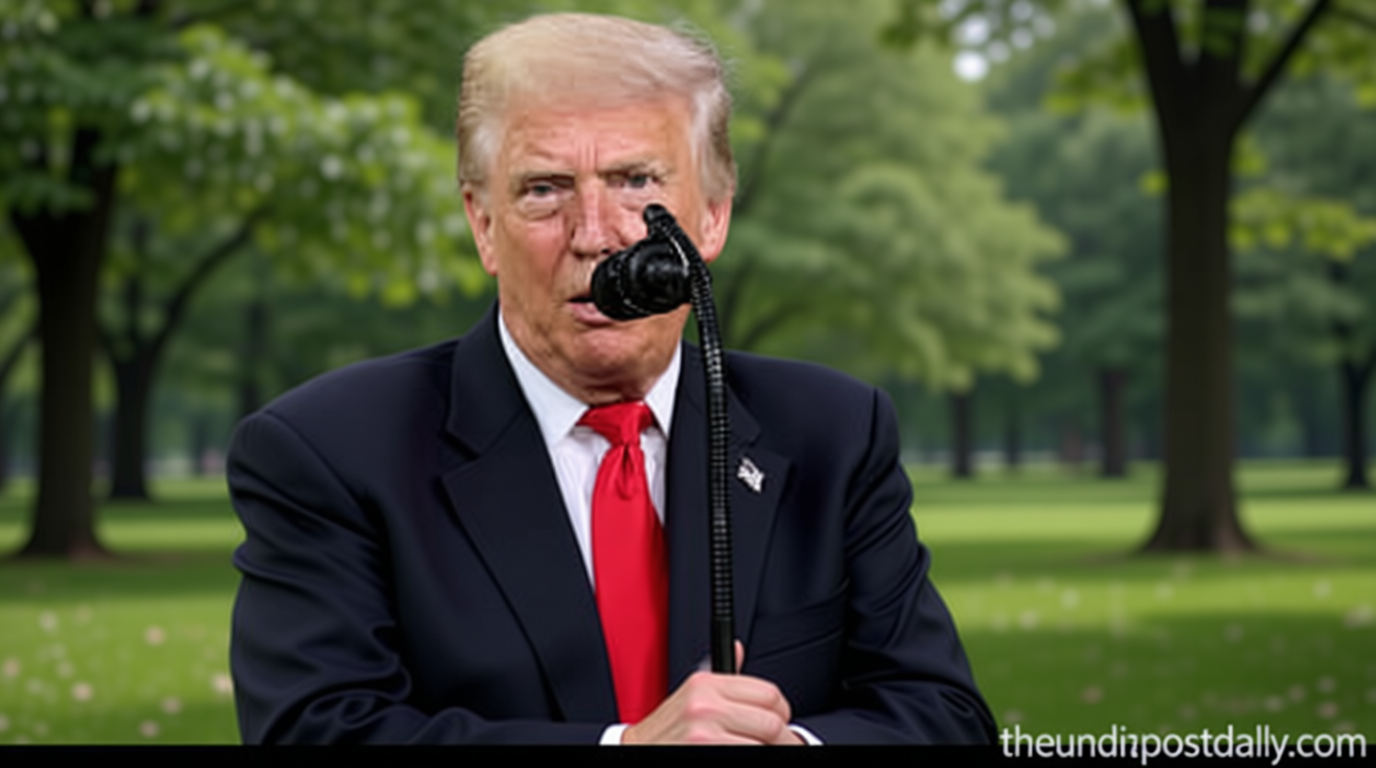
Theindiapostdaily.com – Benjamin Netanyahu, Israel’s long-standing prime minister, is encountering growing political tension within his own party as U.S. President Donald Trump moves to exclude him from key Iran negotiations. The shift has sparked criticism, with some Israelis questioning whether Netanyahu’s leadership remains aligned with the country’s strategic priorities. Trump’s decision to bypass the Israeli leader in talks about a historic agreement with Iran has raised concerns about the PM’s influence on foreign policy decisions that directly impact national security.
The Tipping Point of Domestic Pressure
Netanyahu’s administration has been absent from the Iran deal discussions, leaving him to navigate the fallout with limited input. This exclusion has intensified as the October elections approach, with political rivals and even some loyal allies accusing him of compromising Israel’s position. The U.S. plan to pause hostilities with Iran, including its support for Hezbollah in Lebanon, has been perceived as a direct challenge to Netanyahu’s hardline stance on military action.
The Israeli public, which has historically supported Netanyahu’s aggressive approach to Iran, now faces a dilemma. While some remain loyal to his vision of a strong defense posture, others argue that the agreement could weaken Israel’s leverage in the region. The PM’s strategic alliance with Trump, once a cornerstone of his political power, is now under scrutiny as the U.S. leader prioritizes diplomacy over continued conflict. This dynamic has created a rift between Netanyahu and his own coalition, with internal debates intensifying over the deal’s long-term effects.
Trump’s Shift in Priorities
Trump’s growing frustration with Netanyahu’s military actions has become evident in recent interactions. During a call about Lebanon, the president reportedly questioned the Israeli leader’s tactics, suggesting that his focus on strikes may have overstepped diplomatic bounds. This criticism has fueled the perception that Netanyahu is being sidelined in favor of a more conciliatory approach. The U.S. decision to initiate negotiations with Iran, a long-standing adversary of Israel, has been framed as a strategic move to stabilize the region and reduce tensions.
“Netanyahu faces backlash at home for his reliance on military force, which some argue has led to unnecessary risks,” noted an Israeli political analyst. “Trump’s emphasis on diplomacy signals a new era where Israel’s PM may not hold the same level of control over key decisions.”
Netanyahu’s authority is further tested by the economic and political implications of the agreement. While he has long framed the conflict as essential to Israel’s survival, the U.S. deal could shift the burden of war onto Israel’s shoulders, leaving its leaders to manage the consequences. This scenario has prompted critics to question whether Netanyahu’s approach has been too aggressive, or if his allies have failed to support him in the face of Trump’s changing priorities.
With the implementation of the Iran deal nearing, the Israeli government is bracing for a potential crisis in public opinion. Netanyahu’s reputation as a strong leader is now intertwined with the success or failure of the agreement. If the deal is perceived as a capitulation to Iran, it could further erode his political standing. Conversely, if it strengthens regional stability, it may reinforce his image as a pragmatic statesman. The upcoming elections are shaping up to be a pivotal moment for Netanyahu, with his ability to rally support hinging on how the deal is received domestically.
“The backlash against Netanyahu at home is a clear sign that his policies are no longer seen as universally beneficial,” remarked a political strategist. “He must convince voters that this deal aligns with Israel’s national interests, or risk losing his mandate.”
Despite the growing dissent, Netanyahu remains a central figure in Israeli politics, with his coalition still holding a majority in the Knesset. However, the current tensions highlight a deeper divide between his hardline supporters and those advocating for a more diplomatic path. As the U.S. and Iran move closer to an agreement, Netanyahu’s domestic challenges will only intensify, forcing him to navigate a complex web of alliances, criticisms, and strategic recalibrations. The outcome of the October elections could determine whether his leadership continues to dominate Israel’s political landscape or faces a significant shake-up in the wake of Trump’s decision to sideline him from the negotiations.