India’s dog-loving capital is not Delhi or Mumbai — The winner may surprise you
India's dog-loving capital is not Delhi or Mumbai — it’s a different city that has
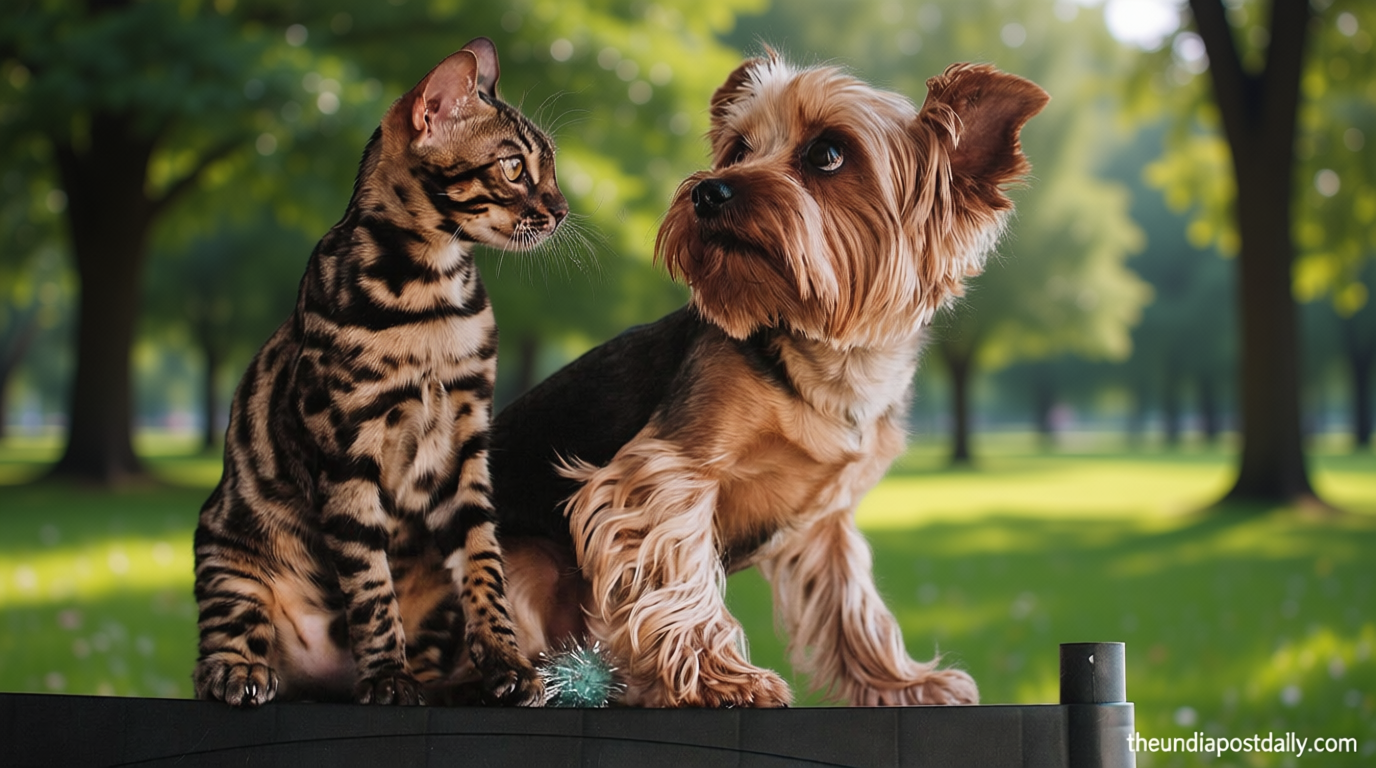
India’s Dog-Loving Capital Surprises: Not Delhi or Mumbai
Emerging Trends in Pet Care
Theindiapostdaily.com – India’s dog-loving capital is not Delhi or Mumbai — it’s a different city that has captured the attention of pet owners nationwide. A recent report from Instamart, part of Swiggy’s quick commerce platform, reveals a notable shift in how people prioritize their pets’ well-being. The data shows that pet parents are increasingly investing in high-quality products, from grain-free meals and gourmet treats to premium grooming tools and specialized nutrition plans. This trend underscores a growing awareness of pet health and the role of pets in modern Indian households.
Regional Variations in Pet Preferences
While Delhi and Mumbai have long been associated with urban pet culture, the data indicates a stark divide between cat and dog enthusiasts across the country. The Instamart analysis, covering over 130 cities from June 2025 to June 2026, highlights a 41% increase in pet care orders. Cats dominate the market, accounting for nearly 60% of all pet food demand. Mumbai leads as the city with the strongest cat-centric appeal, but Kolkata emerges as the surprise leader in feline loyalty, with more than 80% of cat and dog food orders favoring cats. This regional rivalry adds an interesting layer to the conversation about India’s evolving pet landscape.
Bengaluru: India’s Dog-Friendly Metropolis
Contrasting the cat-centric cities, Bengaluru solidifies its position as India’s dog-loving capital. The report shows that pet care spending in the city is heavily skewed toward treats, toys, and premium items, with 66% of expenditures dedicated to these categories. This makes Bengaluru the undisputed leader in pet indulgence. However, the competition is fierce, with Gurugram and Hyderabad closely following. Delhi, though not the top, remains a significant player in the pet care industry, showing strong engagement despite its lower ranking.
Surge in Luxury Pet Products
The pet care market is experiencing a significant boom in luxury items, particularly in grooming and treats. Dog shampoo searches have skyrocketed by 600%, reflecting a growing emphasis on pet hygiene. Meanwhile, the demand for dog treats has surged, with a 245% increase in queries for dog ice cream and a 1,097% rise in top protein-rich brands. This trend highlights a broader cultural shift: pet well-being is increasingly aligned with human indulgence, as pet owners seek to enhance their pets’ quality of life through premium offerings.
Delhi’s Commitment to Pet Care
Delhi is home to India’s most committed pet parent, a single individual who spent ₹60,957 on pet care in just one year, according to the Instamart report.
This remarkable case illustrates how individual preferences can influence market dynamics, even in a city that isn’t leading in pet care spending. While Tier II+ cities like Guwahati, Dibrugarh, Meerut, and Madurai have shown rapid growth in pet care orders — with increases ranging from 591% to 1,473% — Delhi remains a key hub for pet owners. Its strong presence in the market suggests that pet care is not just a trend in big cities but also gaining traction in smaller urban centers.
Alternative Pets and Market Diversification
As traditional pet rivalries persist, alternative companions are gaining momentum. The report also recorded a 178% growth in bird food demand and a 130% increase in rabbit food, signaling a diversification in pet ownership. While Bengaluru, Mumbai, and Delhi continue to dominate the top tiers, the true story of India’s pet market lies in the growth of Tier II cities. These regions are not only outperforming metros in terms of annual growth rates but also challenging the perception that pet care is an urban-centric phenomenon. The rise of alternative pets and the increasing accessibility of pet products suggest a future where the India’s dog-loving capital may evolve beyond its current frontrunners.