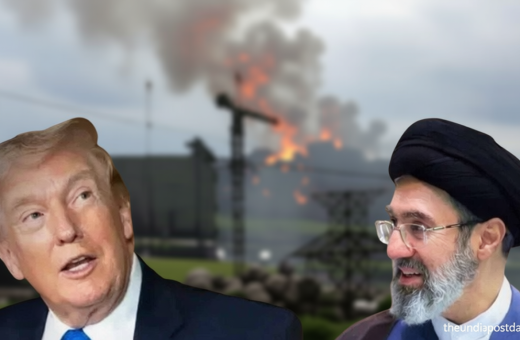
Trump to Iran: ‘If you don’t honour the agreement, we’re going to bomb the hell out of you’ — Takeaways from G7 remarks
Key Takeaways from G7 Remarks Trump to Iran - During the G7
Trump to Iran: ‘If You Don’t Honour the Agreement, We’re Going to Bomb the Hell Out of You’ — Key Takeaways from G7 Remarks
Theindiapostdaily.com – During the G7 Summit, U.S. President Donald Trump delivered a strong message to Iran, warning that military action could be imminent if the country failed to meet its commitments under the recent agreement. His remarks underscored the administration’s resolve to enforce the deal through force, should Tehran not adhere to its terms. This direct threat was a central theme in Trump’s speech, highlighting his determination to maintain pressure on Iran while pursuing diplomatic solutions.
Conditional Agreement and Military Threat
Trump emphasized that the Iran deal was not a permanent pact but a conditional agreement, contingent on Iran’s compliance with its obligations. He stated that the United States would not hesitate to take military measures if Iran did not fulfill its end of the bargain, framing the deal as a strategic maneuver to prevent further escalation. “We’re going to bomb the hell out of them if they violate the agreement,” Trump declared, underscoring the gravity of the situation.
“We’re going to bomb the hell out of them if they violate the agreement,” Trump stated.
The president described the agreement as a temporary memorandum of understanding, which he argued required Iran to demonstrate good faith in negotiations. This approach reflects a broader strategy of using both diplomacy and the threat of military force to achieve U.S. objectives in the Middle East.
Preventing Economic Collapse
Trump highlighted the potential economic fallout of prolonged conflict, positioning the Iran deal as a critical measure to avoid a global financial crisis. He warned that continued hostilities could destabilize markets and trigger a severe downturn, particularly in energy and trade sectors. “So the one thing I didn’t want to see is, I didn’t want to see economic catastrophe,” he said, linking the deal to the broader goal of stabilizing international markets.
“So the one thing I didn’t want to see is, I didn’t want to see economic catastrophe. If you kept this going, that could have happened,” he explained.
The president pointed to rising oil prices and supply chain disruptions as immediate consequences of the war, stressing that the agreement was designed to prevent a chain reaction of economic hardship. His remarks suggest that economic stability is a key component of his foreign policy strategy, especially in relation to Iran.
Great Depression Analogy
Trump drew a stark comparison between the current crisis and the economic turmoil of the 1929 Great Depression, framing the Iran deal as a necessary intervention to avoid a similar outcome. He criticized the previous administration for allowing the situation to worsen, likening their approach to that of Herbert Hoover. “I did not want to be like Herbert Hoover,” Trump remarked, emphasizing his belief that decisive action was essential to prevent another economic collapse.
“I did not want to be like Herbert Hoover,” he remarked.
This analogy reinforced his argument that the Iran deal was not just a political move but a calculated economic strategy to avert widespread financial instability. By linking the current situation to historical precedent, Trump underscored the urgency of the agreement.
Deal Signing Timeline and Leadership
Trump confirmed that the Iran pact, finalized on Sunday, would be formally signed in the near future, though he did not specify an exact date. He mentioned that the deal could be inked within days, with Vice President JD Vance representing the United States at the ceremony. “The deal we reached with Iran on Sunday will be signed shortly, tomorrow, maybe the next day,” he said, indicating a timeline of rapid implementation.
“The deal we reached with Iran on Sunday will be signed shortly, tomorrow, maybe the next day,” he said.
The president’s confidence in the deal’s timeline reflects his administration’s push for immediate results. Vance’s involvement signals the importance of U.S. leadership in finalizing the agreement, even as Trump to Iran’s warnings remain a focal point of the summit discussions.
Gratitude Toward Putin and Xi
Trump expressed appreciation for the support of Russian President Vladimir Putin and Chinese President Xi Jinping in facilitating the Iran deal. He praised their neutrality during the conflict, which he argued helped keep the negotiations on track. “They stayed neutral,” he noted, highlighting their role in mediating the situation.
“They stayed neutral,” he noted.
By thanking Putin and Xi for their cooperation, Trump to Iran positioned the deal as a collaborative effort involving key global powers. Their involvement also underscores the geopolitical significance of the agreement in the context of international relations.
Subtle Criticism of Netanyahu and Regional Tensions
Trump addressed tensions with Israeli Prime Minister Benjamin Netanyahu, acknowledging his leadership while suggesting a need for more measured military actions. He called Netanyahu a “good man” but noted that his approach to the conflict in Lebanon had been overly aggressive. “Netanyahu happens to be a good man, gets a little excited sometimes,” Trump remarked, indicating a nuanced critique of Israel’s strategy.
“Netanyahu happens to be a good man, gets a little excited sometimes,” Trump remarked.
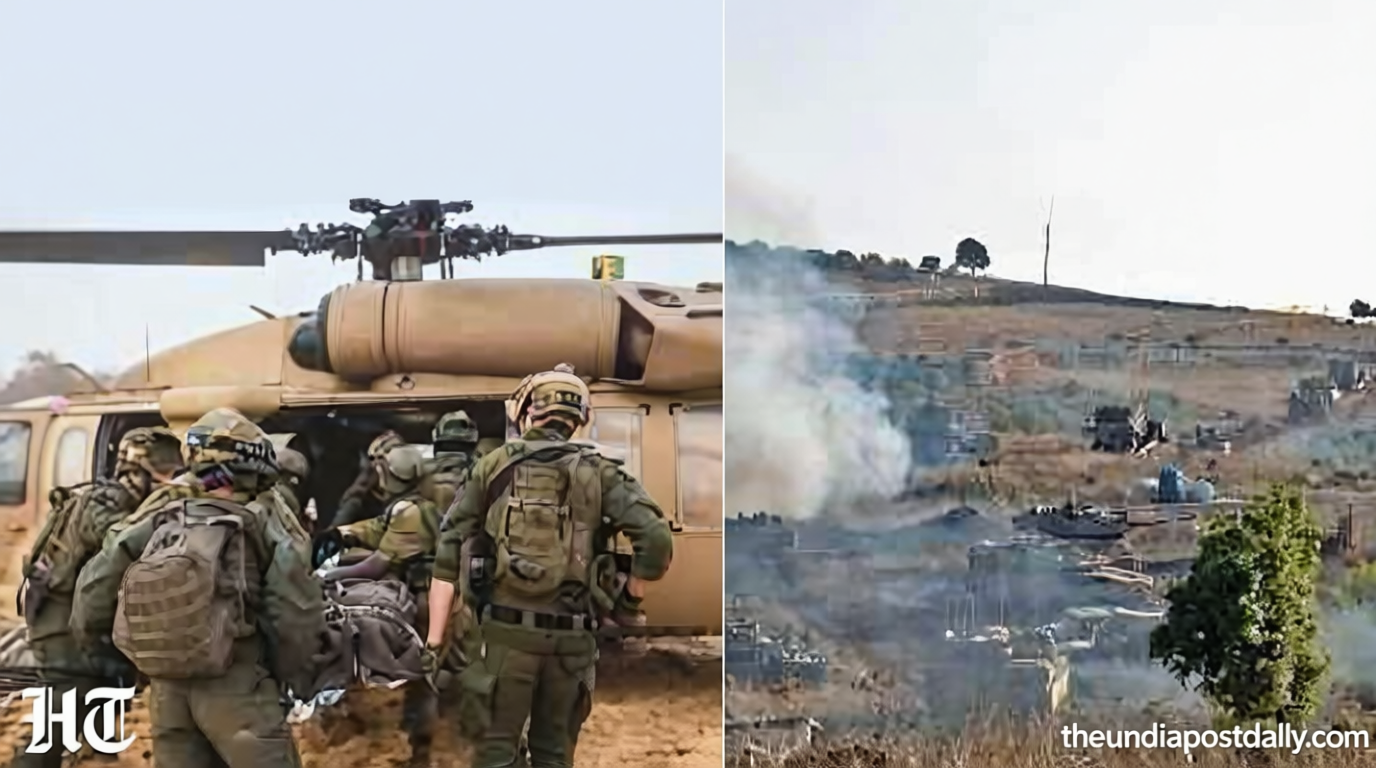
The comments reflect ongoing disagreements between the U.S. and Israel over the intensity of military operations in the region. Trump to Iran’s warnings were also tied to the broader context of regional stability, with Netanyahu’s actions seen as a potential catalyst for further conflict.
Trump’s remarks at the G7 Summit reveal a multifaceted approach to Iran, combining diplomacy, economic incentives, and the threat of military action. By framing the Iran deal as a critical step in preventing global economic collapse, he positioned it as a vital component of his foreign policy agenda. The focus on “Trump to Iran” as a central theme highlights the administration’s commitment to holding Tehran accountable while seeking a peaceful resolution. As the deal moves toward formalization, the implications of Trump’s strategy will continue to shape international relations and the future of the Middle East.