Trump says ‘I’m the boss’ at G7 as leaders back Ukraine, tighten stance on Russia
Trump Says 'I'm the Boss' at G7 Summit as Leaders Unite Against Russia Theindiapostdaily.com – At the G7 summit in Evian-les-Bains, France, U.S. President Donald Trump once again asserted his…
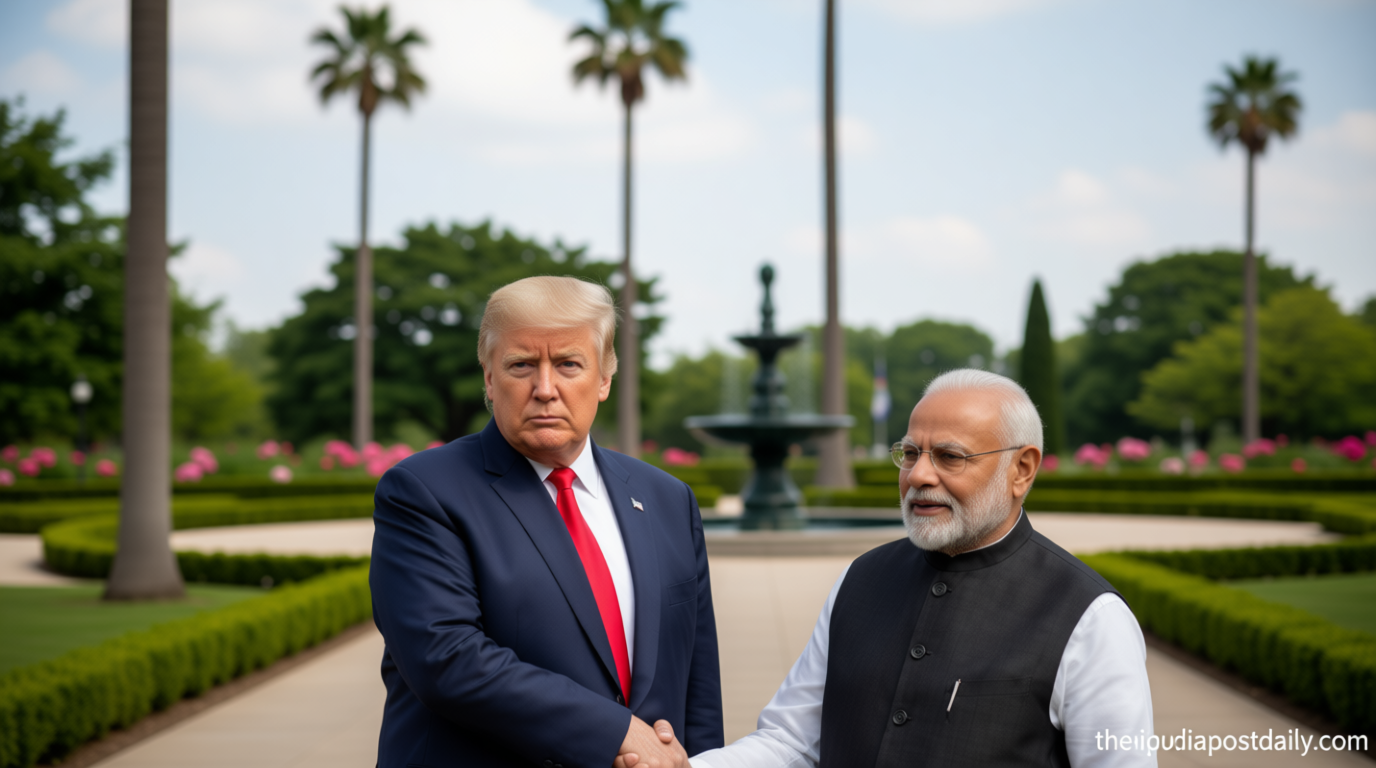
Trump Says ‘I’m the Boss’ at G7 Summit as Leaders Unite Against Russia
Theindiapostdaily.com – At the G7 summit in Evian-les-Bains, France, U.S. President Donald Trump once again asserted his authority, declaring
“I’m the boss.”
This statement, echoing his recurring emphasis on leadership, took center stage as G7 leaders demonstrated a unified front in supporting Ukraine and strengthening their collective response to Russia’s actions. While the summit aimed to address global economic challenges, Trump’s declaration underscored his desire to position himself as the decisive force in international diplomacy, even as allies sought to coordinate efforts on the war in Ukraine.
Unified G7 Support for Ukraine
The G7 nations, traditionally divided on global issues, showed remarkable cohesion in their backing of Ukraine. A joint declaration outlined a renewed commitment to military aid, economic sanctions, and diplomatic pressure on Russia, reflecting a shared understanding of the conflict’s urgency. This alignment marked a significant shift from the previous year’s summit in Canada, where disagreement over Ukraine’s future persisted. Trump’s bold claim of leadership, while controversial, aligned with the G7’s decision to escalate sanctions and reaffirm support for Kyiv’s sovereignty.
Canadian Prime Minister Justin Trudeau highlighted the change in tone, stating that the U.S. had taken a “harder stance toward Russia” under Trump’s guidance. However, he also noted that the U.S. president’s approach remained “realistic” in light of the war’s evolving dynamics. Other G7 members echoed similar sentiments, emphasizing that Trump’s leadership style, though polarizing, was instrumental in driving a more assertive policy on Ukraine.
Trump’s Assertive Leadership Style
Trump’s declaration of leadership at the summit was not an isolated moment but part of a recurring pattern. His insistence on being “the boss” has been a hallmark of his presidency, often leading to sharp contrasts with traditional diplomatic approaches. At Evian-les-Bains, this assertiveness was met with a mix of support and skepticism, as leaders debated the implications of his approach. While some praised his decisive nature, others questioned whether his unilateral decisions would undermine the collaborative spirit of the G7.
Notably, Trump’s focus on leadership extended to the Iran deal, which he framed as an initial framework rather than a final agreement. This strategy allowed him to maintain flexibility while asserting control over U.S. foreign policy. His comments about the potential for military action against Iran, should the deal fail, reinforced his reputation for taking bold, sometimes unpredictable steps. Despite this, the G7’s unified stance on Ukraine suggested a broader consensus on the need for strong action against Russia.
Geopolitical Tensions and Strategic Realignment
The G7’s focus on Ukraine and Russia highlighted a strategic realignment in global geopolitics. Leaders emphasized the importance of maintaining economic and military pressure on Russia, particularly in light of its ongoing invasion of Ukraine. This shift was driven by a combination of humanitarian concerns and strategic interests, as the group sought to deter further aggression and stabilize the region. Trump’s leadership, while central to these discussions, was also seen as a way to galvanize the alliance under his own vision.
Energy security emerged as another key topic, with G7 nations exploring ways to reduce dependence on Russian oil and gas. Discussions included proposals to diversify supply chains and invest in renewable energy sources, reflecting broader concerns about energy independence. While these measures were framed as long-term solutions, Trump’s emphasis on leadership raised questions about the pace and scale of implementation. His administration’s focus on economic leverage was seen as a strategic move to align with the G7’s priorities while maintaining a distinct voice in the coalition.
Global Implications of the Shift in Diplomacy
The G7’s decision to adopt a unified stance on Ukraine and Russia signaled a broader realignment in international relations. By positioning Trump as the leader of this coalition, the group aimed to signal a stronger, more coordinated response to Russian aggression. This approach was viewed as both a challenge and an opportunity, as it allowed the U.S. to take a leading role while ensuring that other nations shared the burden. The implications of this shift extended beyond the summit, influencing global alliances and the future of multilateral diplomacy.
As the summit concluded, the message was clear: Trump’s leadership, despite its controversies, had played a pivotal role in shaping the G7’s response to the war in Ukraine. His assertion of authority resonated with leaders who saw the need for a decisive approach to Russia, even as they grappled with the complexities of maintaining unity. The balance between Trump’s assertiveness and the G7’s collaborative framework will likely define the group’s effectiveness in addressing the challenges ahead.