Venomous copperhead snake found near Germany’s World Cup camp, players on alert
Venomous Copperhead Snake Found Near Germany's World Cup Camp: Players on Alert Venomous copperhead snake found near Germany - A venomous copperhead snake was
Venomous Copperhead Snake Found Near Germany’s World Cup Camp: Players on Alert
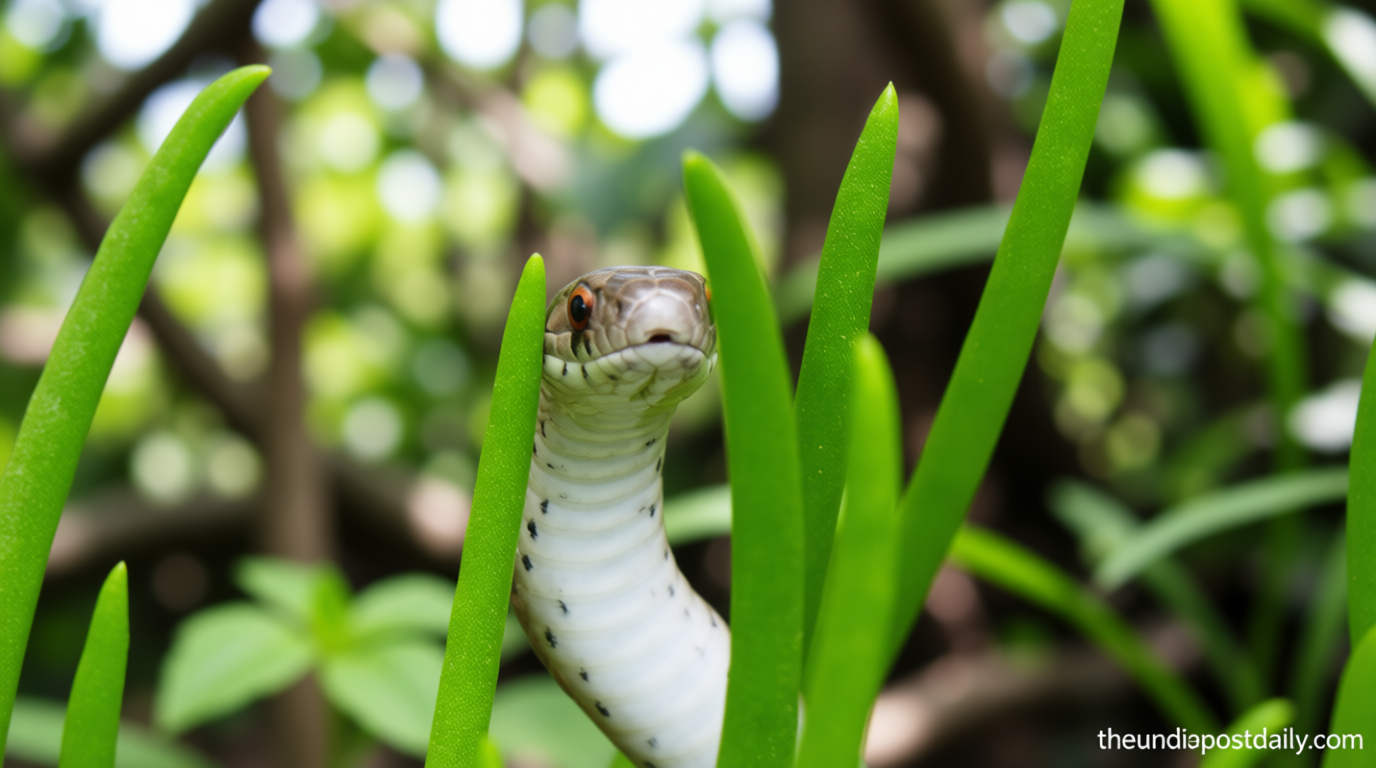
Theindiapostdaily.com – A venomous copperhead snake was discovered near Germany’s World Cup training camp, prompting players to take extra precautions in the area. This unusual incident has raised concerns about safety and highlighted the unexpected challenges teams face when competing in unfamiliar environments. The snake, a native species of North Carolina, has now become a focal point for discussions about wildlife hazards in the tournament’s setup.
The Discovery and Immediate Response
The copperhead was spotted during routine inspections of the training facilities in Winston-Salem, North Carolina, where the German national team has been preparing for the World Cup. The snake, known for its distinctive coppery color and venomous bite, has caused a ripple of anxiety among players and staff. Emergency protocols were quickly activated, and the area was cordoned off until experts confirmed it was no longer a threat. Despite the alert, the team has continued training with heightened awareness, ensuring all movements are cautious and deliberate.
“In Germany, you worry about tactics, injuries, and your next opponent. Here, you also have to think about what might be hiding in the grass,” said captain Joshua Kimmich, reflecting on the added layer of caution required in their current location. The player’s comment underscores how the discovery has shifted the team’s focus, blending the excitement of competition with the urgency of safety.
Global Concerns and Team Adaptations
The presence of venomous snakes near the camp has not gone unnoticed by other national teams. Switzerland and Norway, which also have training bases in North Carolina, have reported similar incidents, with Norway even designating specific zones as “snake areas” in their camp. This shared concern has led to a collaborative effort among teams to implement additional safety measures, such as using snake detection tools and increasing patrols around training grounds.
“We saw a snake yesterday, we were told it was venomous. If you get bitten, you have to go to the hospital. I don’t think you’ll die, but it’s certainly dangerous,” Kimmich explained, emphasizing the sudden gravity of the situation. His remarks highlight the importance of vigilance, as the snake’s venom, though not typically lethal, can cause severe pain and require prompt medical attention.
Experts have noted that the copperhead’s habitat in North Carolina aligns with the tournament’s location, making the discovery both surprising and inevitable. The snake’s ability to blend into its surroundings has made it a stealthy threat, prompting teams to reassess their strategies for avoiding unexpected encounters. Safety briefings have been introduced, and players are now advised to inspect equipment and surroundings carefully before training sessions.
Despite the added caution, Germany’s campaign has progressed smoothly. The four-time world champions opened their tournament with a dominant 7-1 victory over Curacao and are set to face Ivory Coast on June 21. The incident, however, has broadened the focus beyond the pitch, as players now scrutinize the grass with newfound vigilance. The event has also sparked conversations about the ecological impact of hosting international events in regions with diverse wildlife.